
سلة التسوق الخاصة بي
0 عنصرًا
قطع غيار أصلية للأتمتة | توصيل سريع عالمي | ضمان لمدة 12 شهرًا — [احصل على عرض سعر]

تم تكوين وحدة Yokogawa AAM11 S1 (وحدة إدخال الجهد الحالي AAM11) للحصول على الإشارة التناظرية في شبكات التحكم، وتوفر هذه الوحدة تنفيذًا فيزيائيًا/كهربائيًا مباشرًا لمعالجة حلقات التيار والجهد.
التوافر: الكمية المتبقية: 99
توصيل موثوق به في جميع أنحاء العالم
ضمان استرداد الأموال خلال 30 يومًا
هل تحتاج إلى مزيد من التفاصيل؟ اقرأ سياسة الشحن وسياسة الاسترداد الكاملة.
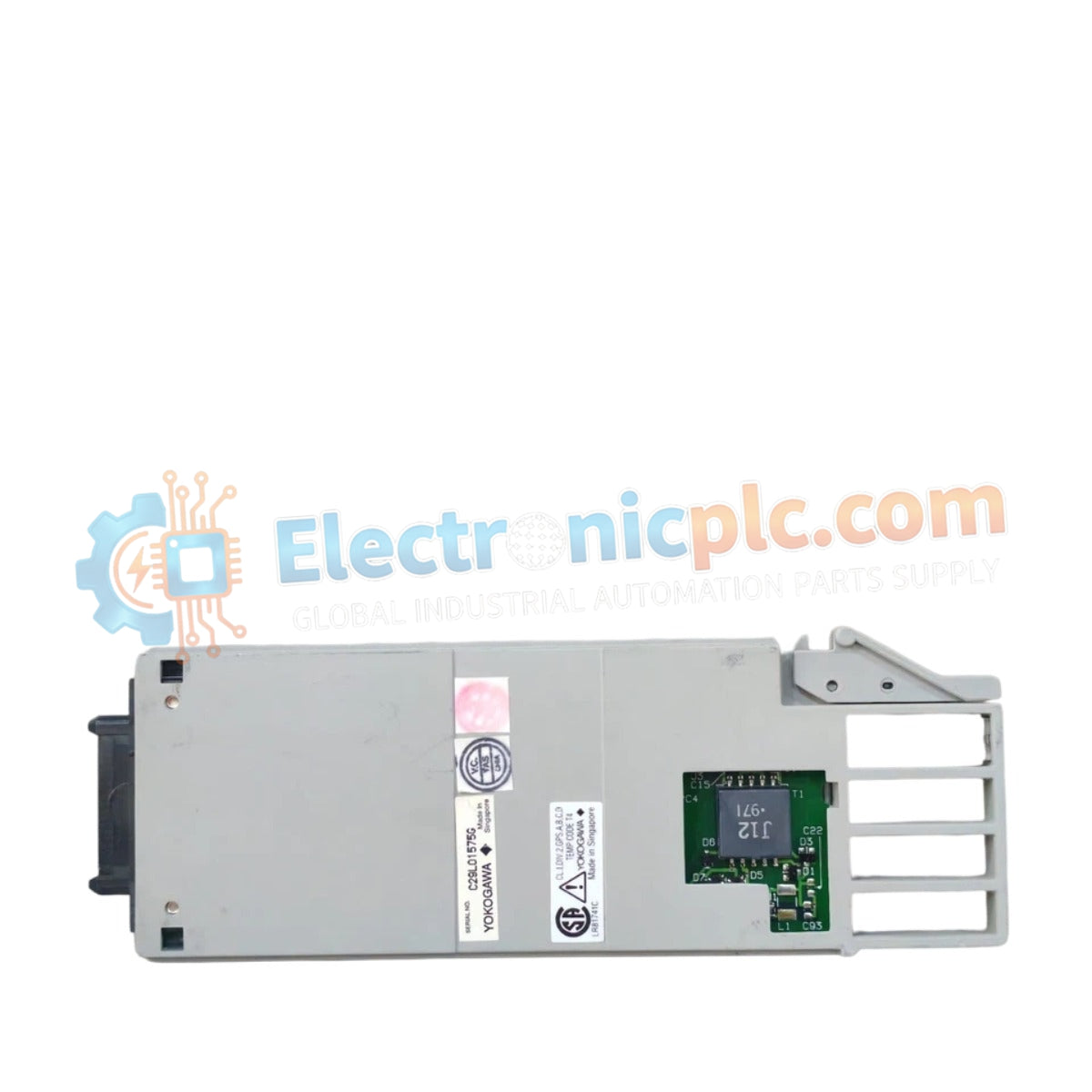
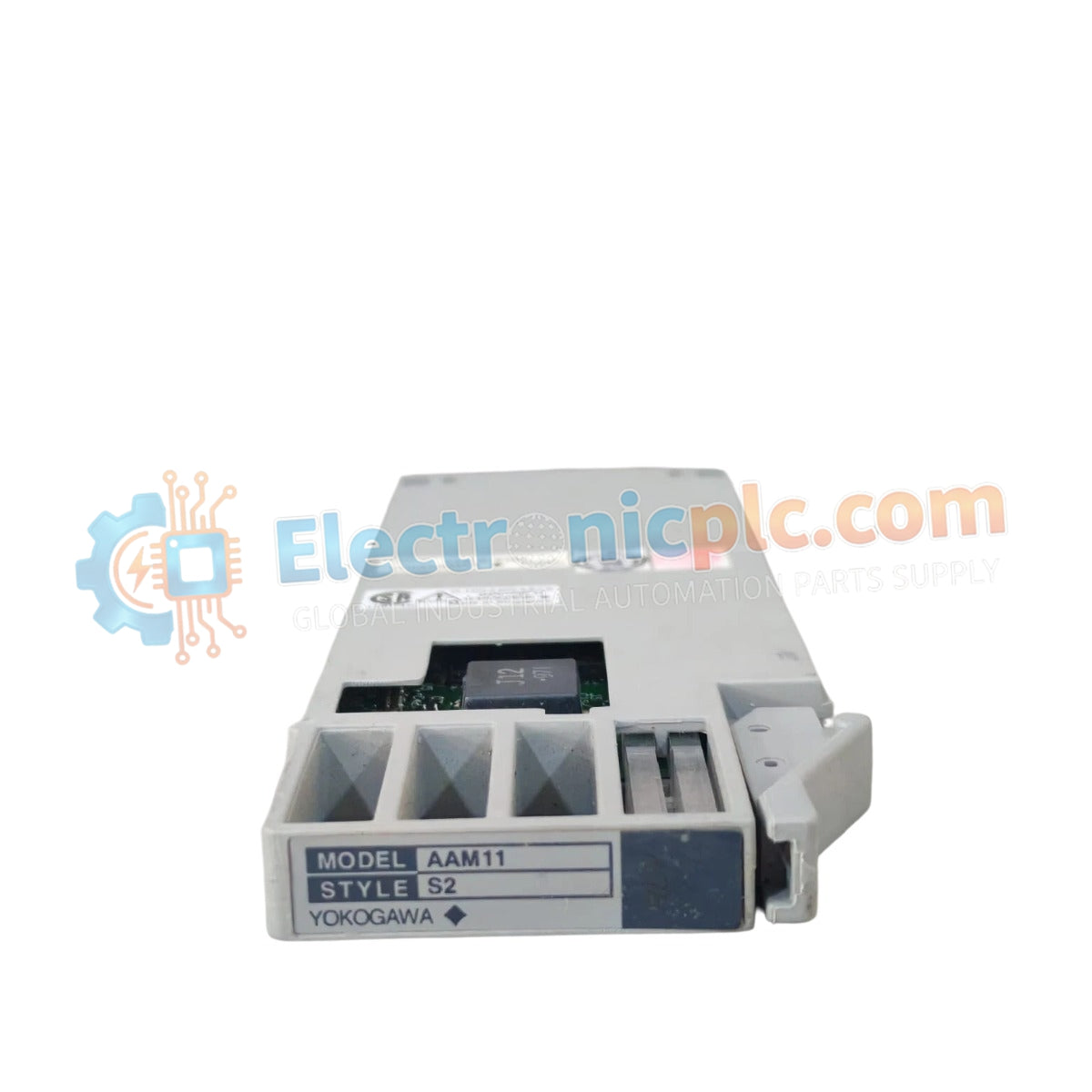
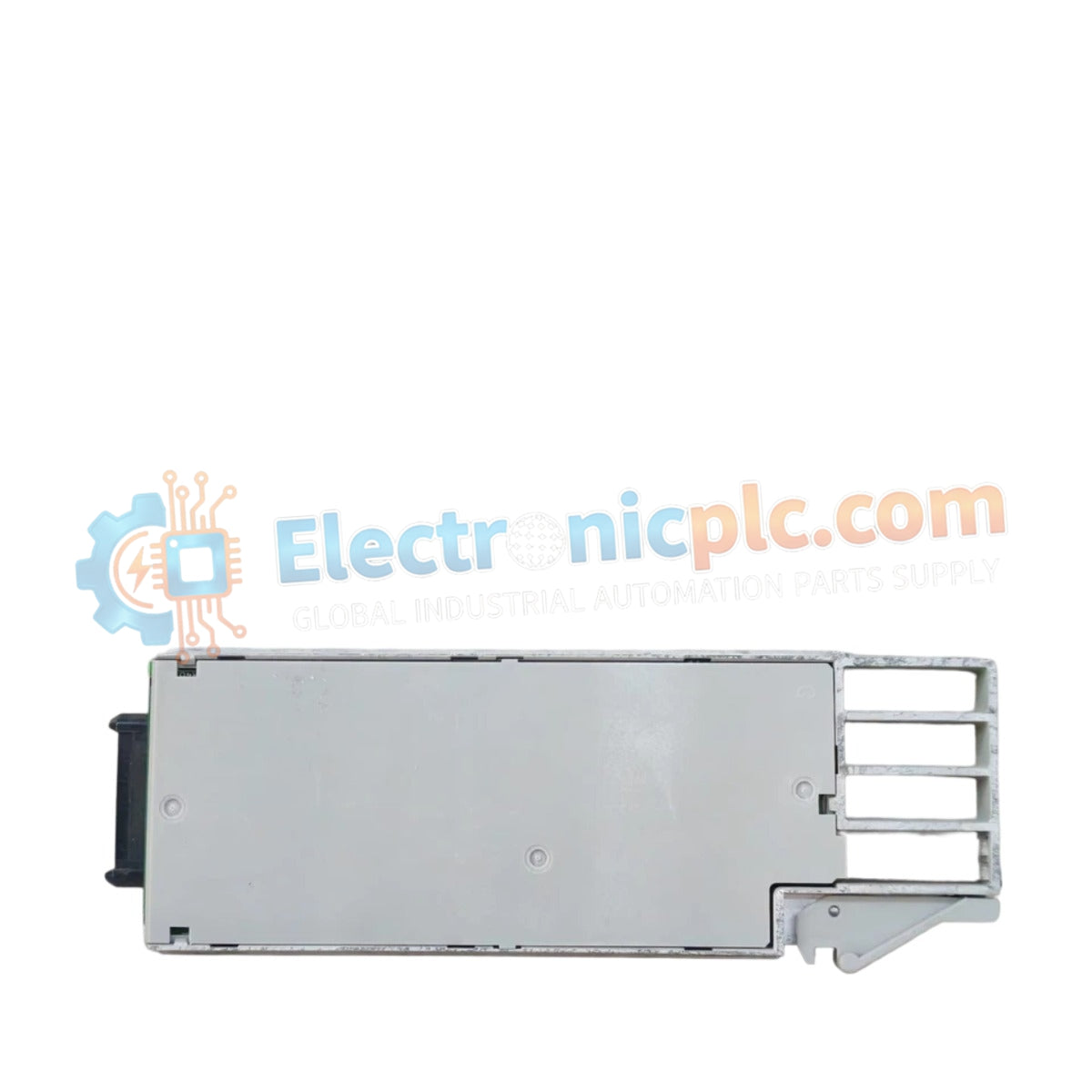
تم تكوين وحدة Yokogawa AAM11 S1 (وحدة إدخال الجهد الحالي AAM11) للحصول على الإشارة التناظرية في شبكات التحكم، وتوفر هذه الوحدة تنفيذًا فيزيائيًا/كهربائيًا مباشرًا لمعالجة حلقات التيار والجهد.
| المعلمة | المواصفات |
|---|---|
| النموذج | AAM11 S1 |
| العلامة التجارية | يوكوجاوا |
| الأصل | اليابان |
| الوزن | 0.08 كجم |
| الأبعاد | 16.5 سم × 6 سم × 1 سم |
| درجة حرارة التشغيل | من 0 إلى 50 درجة مئوية |
| استهلاك الطاقة | 150 مللي أمبير عند 24 فولت تيار مستمر |
| قنوات الإدخال | قابلة للتكوين متعدد القنوات |
| إدخال الإشارة | تيار/جهد (قابل للتحديد برمجيًا) |
تسهل بنية AAM11 S1 التكامل مع الأجهزة التي تدعم بروتوكول حلقة HART 4-20 مللي أمبير. للحفاظ على سلامة الإشارة عبر الكابلات الميدانية الطويلة، تتضمن الوحدة عزلًا بين القنوات، مما يمنع فروق جهد الأرض من التأثير على دقة القياس. يعطي التصميم الأولوية لرفض الوضع المشترك المستقر، مما يضمن بقاء متغيرات العملية ضمن عتبات دقة التحويل المحددة بغض النظر عن تقلبات جهد الإمداد الميداني.
س: هل تتطلب وحدة AAM11 S1 طاقة حلقة خارجية لأجهزة الإرسال النشطة 4-20 مللي أمبير؟
ج: تدعم الوحدة كلاً من تكوينات المرسل السلبية والنشطة؛ ومع ذلك، يعتمد توفير طاقة الحلقة الداخلية على إعدادات تكوين ناقل الرف المحددة.
س: هل هذه الوحدة متوافقة مع تعويض الوصلة الباردة (CJC) لمدخلات الثرموكبل؟
ج: تم تصميم هذا الطراز خصيصًا لمعالجة إشارات التيار والجهد ولا يحتوي على دائرة CJC مدمجة للقياس المباشر للثرموكبل.


