
سلة التسوق الخاصة بي
0 عنصرًا
قطع غيار أصلية للأتمتة | توصيل سريع عالمي | ضمان لمدة 12 شهرًا — [احصل على عرض سعر]

تم تكوين وحدة Yokogawa ADM11 S3 (وحدة إدخال الاتصال ADM11 S3) للاستحواذ المنفصل على الإشارات في شبكات التحكم الموزعة، وتوفر مراقبة مادية مباشرة لمدخلات الحالة الثنائية من مفاتيح الجانب الميداني...
التوافر: الكمية المتبقية: 99
توصيل موثوق به في جميع أنحاء العالم
ضمان استرداد الأموال خلال 30 يومًا
هل تحتاج إلى مزيد من التفاصيل؟ اقرأ سياسة الشحن وسياسة الاسترداد الكاملة.

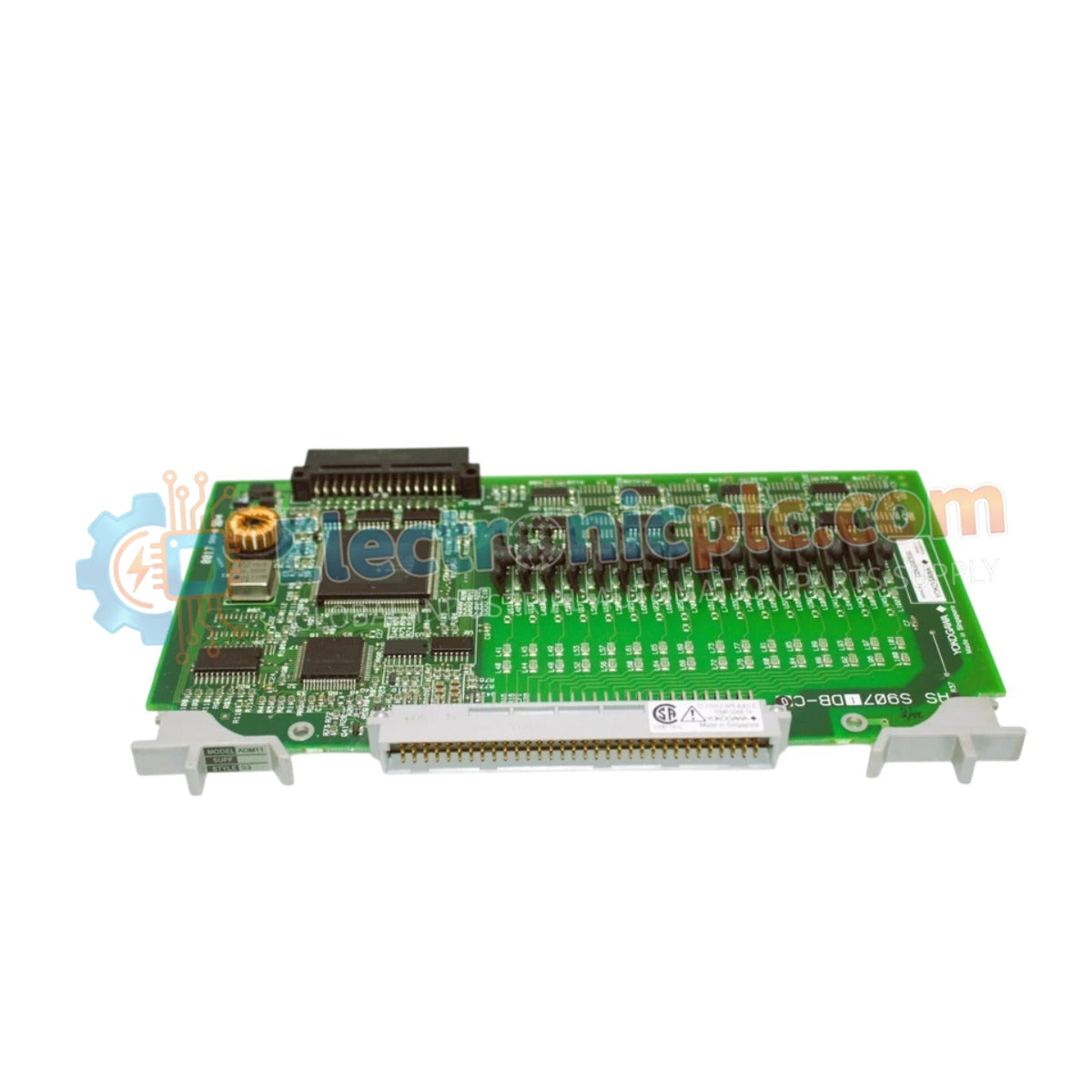
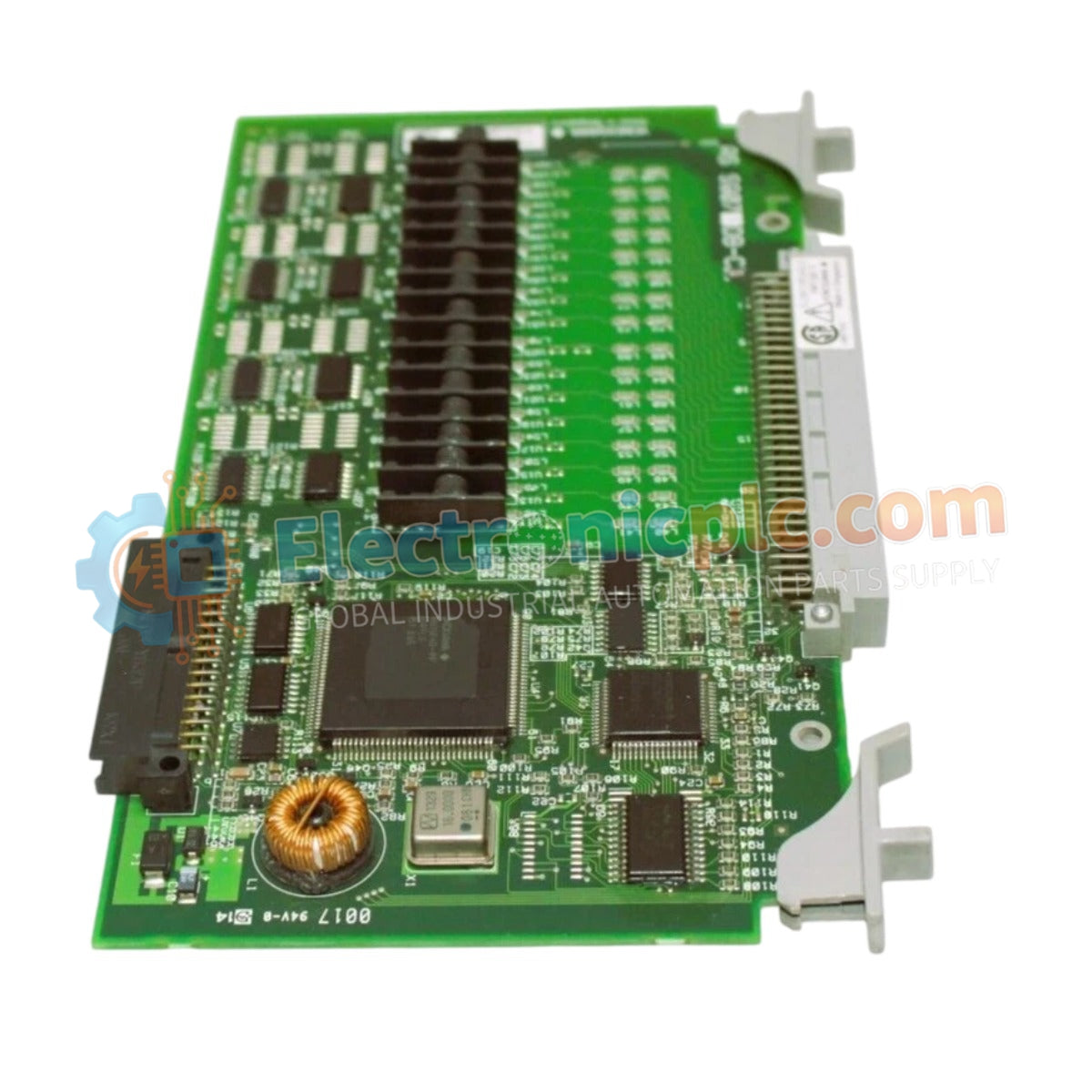
تم تكوين وحدة Yokogawa ADM11 S3 (وحدة إدخال الاتصال ADM11 S3) للاستحواذ المنفصل على الإشارات في شبكات التحكم الموزعة، وتوفر مراقبة مادية مباشرة لمدخلات الحالة الثنائية من مفاتيح الجانب الميداني والأزرار الضاغطة وأجهزة الاستشعار. تعمل هذه المكونة كواجهة لنقل حالات الاتصال في الوقت الفعلي إلى بنية التحكم CENTUM VP، وذلك باستخدام المنطق الداخلي لتسجيل أحداث الانتقال.
يشير تعيين طراز ADM11 S3 إلى تكوين أجهزة من 16 قناة مصمم لتطبيقات معالجة الإدخال القياسية CENTUM VP. تشير اللاحقة "S3" إلى المراجعة المحددة للأجهزة المتوافقة مع متطلبات توصيل الأسلاك الميدانية القياسية لنظام DCS ومواصفات تركيب الخزانة.
| المعلمة | المواصفات |
|---|---|
| النموذج | ADM11 S3 |
| العلامة التجارية | Yokogawa |
| الأصل | اليابان |
| الوزن | 0.29 كجم |
| الأبعاد | تنسيق وحدة DIN-rail القياسي |
| درجة حرارة التشغيل | 0 إلى 60 درجة مئوية |
| استهلاك الطاقة | بنية منخفضة الاستهلاك |
| قنوات الإدخال | 16 |
| جهد الإدخال | 4 إلى 32 فولت تيار مستمر |
| الرطوبة | 5 إلى 95 % رطوبة نسبية (غير مكثفة) |
يستخدم ADM11 S3 عزلًا جلفانيًا بين كل قناة إدخال لضمان الفصل الكهربائي التام بين الدوائر الميدانية واللوحة الخلفية لنظام DCS. يمنع هذا التصميم الضوضاء الشائعة واختلافات الجهد الأرضي من التأثير على سلامة إشارات الإدخال 4-32 فولت تيار مستمر. من خلال الحفاظ على عزل قناة إلى قناة، تحافظ الوحدة على استقرار حلقة إدخال CENTUM VP، مما يضمن بقاء الأعطال الميدانية المحلية أو ارتفاعات الأسلاك محصورة ولا تنتشر إلى المعالج المركزي أو الوحدات المجاورة.
س: هل تلغي ميزة العزل الجلفاني الحاجة إلى أجهزة حماية خارجية من الارتفاع المفاجئ؟
ج: يحمي العزل الجلفاني من تداخل الإشارة وحلقات الأرض؛ ومع ذلك، يجب تثبيت مانع تصاعد مخصص على مستوى الإنهاء الميداني إذا كانت الأسلاك تخرج من خزانة التحكم أو تواجه بيئات عالية التداخل الكهرومغناطيسي.
س: هل يمكن لهذه الوحدة أن تعمل بفعالية في بيئات ذات رطوبة نسبية تبلغ 90%؟
ج: نعم، بشرط أن تكون الظروف غير مكثفة. تتطلب بيئات الرطوبة العالية تحكمًا مناخيًا في الخزانة للتحقق لمنع تتبع الرطوبة على كتل الطرفية أو موصلات اللوحة الخلفية.


