انتقل إلى معلومات المنتج
1 ل 3

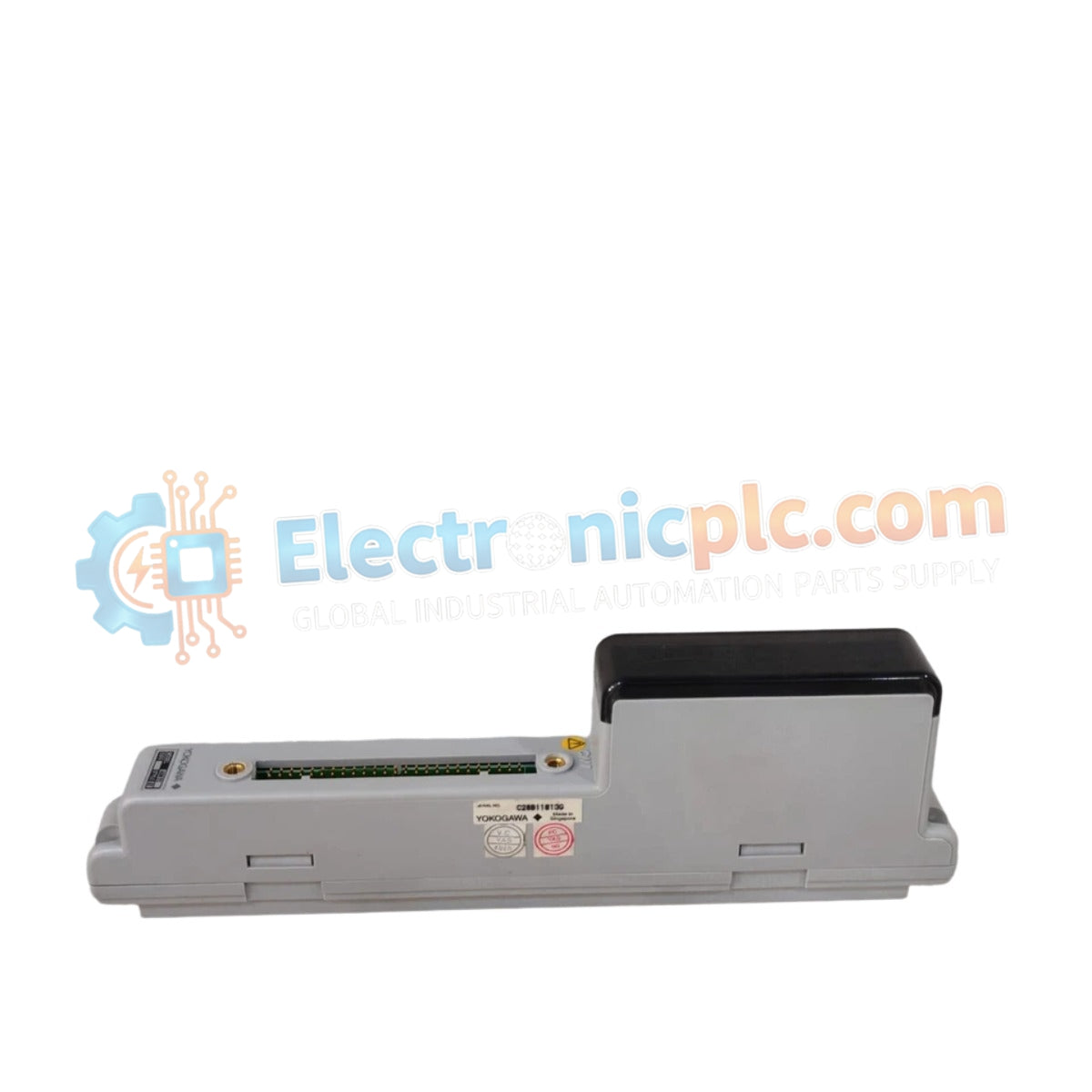
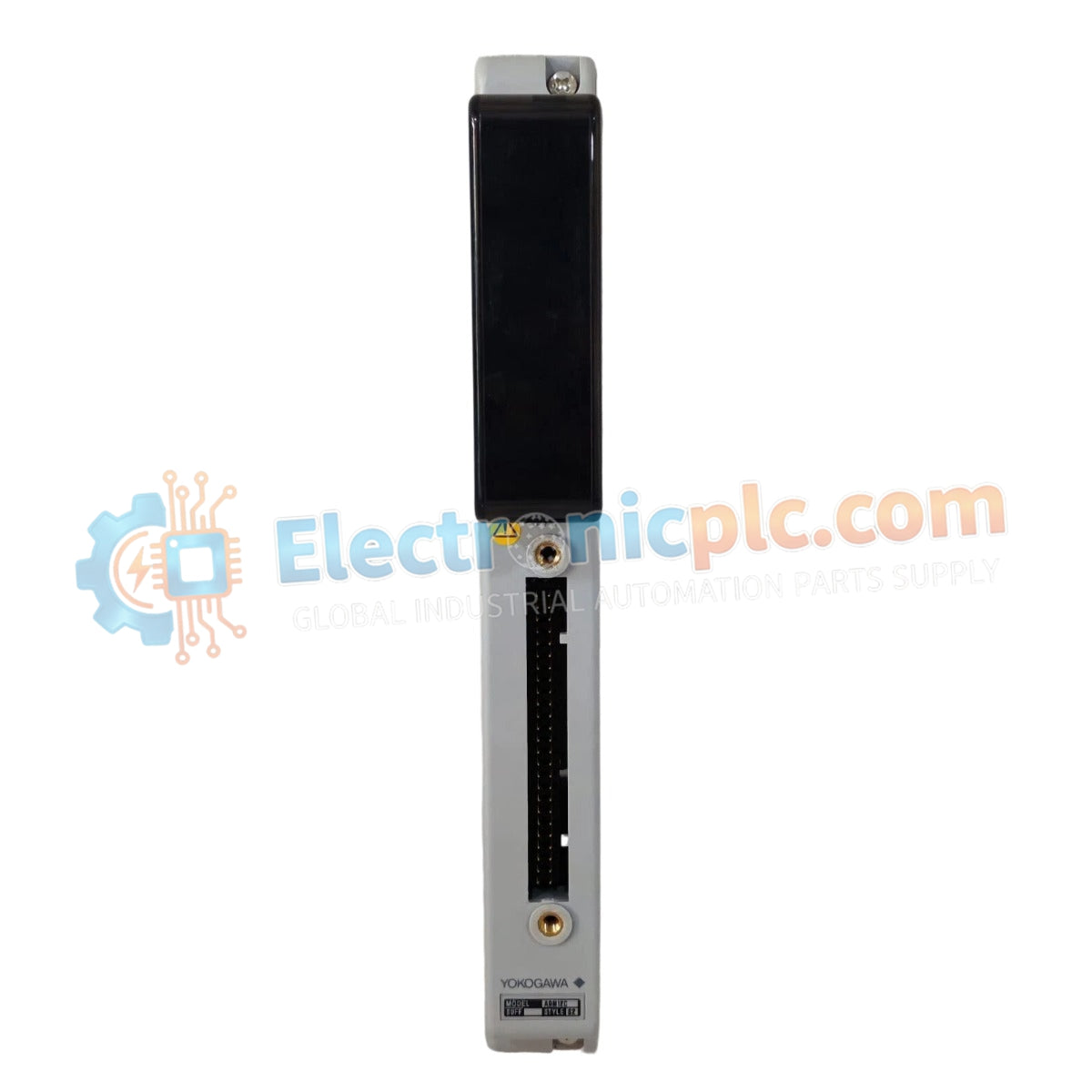
ADM12C S2 Yokogawa Digital Input Module | New & Original Stock

ADM12C S2 Yokogawa Digital Input Module | New & Original Stock

Configured for precise discrete signal acquisition, the Yokogawa ADM12C S2 (ADM12C Digital Input Module) facilitates the monitoring of field-side industrial status indicators within Yokogawa automation architectures, supporting stable data integration...

16 يشاهد الناس هذا الآن

التوافرالكمية المتبقية: 99

رمز المنتج: ADM12C S2
بائع: Yokogawa
Related Series:

الشحن والإرجاع

توصيل موثوق به في جميع أنحاء العالم

  • شركات الشحن: يتم الشحن عبر DHL أو FedEx أو UPS أو USPS .
  • الشحن: تتم معالجة الطلبات خلال يوم عمل واحد إلى يومين، ويتم شحنها خلال 3 إلى 5 أيام عمل .
  • التتبع: يتم توفير تفاصيل التتبع الكاملة عبر البريد الإلكتروني عند الشحن.

ضمان استرداد الأموال خلال 30 يومًا

  • الضمان: فترة إرجاع لمدة 30 يومًا للمنتجات المتوفرة في المخزون والمغلفة من المصنع.
  • الشروط: يجب أن تكون المنتجات غير مفتوحة وغير مستخدمة وفي عبوتها الأصلية.
  • الأصالة: نضمن أن تكون الأجهزة أصلية 100% .

هل تحتاج إلى مزيد من التفاصيل؟ اقرأ سياسة الشحن وسياسة الاسترداد الكاملة.
الأصالة والضمان

  • ضمان أصلي: نحن نوفر فقط قطع غيار أصلية 100%، جديدة تمامًا، ومغلقة من المصنع .
  • تغطية كاملة: كل مكون مدعوم بضمان شامل لمدة 12 شهرًا من تاريخ الشراء.
  • إمكانية التتبع: جميع المنتجات تأتي مع وثائق المصنع الأصلية والملحقات اللازمة للامتثال الكامل للمعايير الصناعية.

الدعم الفني والتوريد

  • مساعدة الخبراء: يقدم فريقنا الفني استشارات مجانية لمساعدتك في التحقق من التوافق مع أنظمة DCS و PLC.
  • مصادر القطع النادرة: متخصصون في المكونات القديمة والتي يصعب العثور عليها من Allen-Bradley و Siemens و ABB و HIMA وغيرها.
  • للاستفسارات المتعلقة بالكميات الكبيرة: تواصلوا معنا على pambo@5gplc.com للحصول على أسعار الكميات الكبيرة أو عروض أسعار المشاريع المخصصة.
عرض تفاصيل المنتج الكاملة

Configured for precise discrete signal acquisition, the Yokogawa ADM12C S2 (ADM12C Digital Input Module) facilitates the monitoring of field-side industrial status indicators within Yokogawa automation architectures, supporting stable data integration via the Modbus RTU communication protocol.

Hardware Specifications

Parameter Specification
Model ADM12C S2
Brand Yokogawa
Type Digital Input Module
Input Channels 12 channels
Operating Voltage 24 VDC
Input Current ≤ 20 mA
Protocol Modbus RTU
Dimensions 82 mm x 82 mm x 35 mm
Weight 0.14 kg (0.31 lbs)
Operating Temp -10 to +55 deg C

Process Instrumentation and Data Acquisition

The ADM12C S2 functions as a high-reliability interface that captures discrete states from field sensors and switches. By utilizing the Modbus RTU protocol, the module provides a standard communication path for real-time status updates, ensuring that control systems receive accurate and low-latency input data. This capability is critical for environments requiring consistent monitoring of interlocking safety switches, equipment running status, and process alarm conditions.

Frequently Asked Questions

Q: Is the ADM12C S2 compatible with non-Modbus industrial controllers?

A: The module is primarily engineered for Modbus RTU communication; while other protocols may be implemented through external gateways, direct integration requires a controller capable of acting as a Modbus Master.

Q: Can the input voltage be adjusted for higher sensitivity?

A: The module is fixed for a 24 VDC nominal input; altering the voltage level outside of the rated specifications will impact the internal opto-isolator trigger thresholds and may lead to module failure.

Field Installation Guidelines

  1. Mount the module in a panel-appropriate orientation, ensuring sufficient space for convection cooling to maintain temperatures below +55°C.
  2. Verify that the 24 VDC field power supply is common-referenced to the module's input ground to ensure stable signal detection.
  3. Ensure Modbus RTU cable shielding is properly terminated to a functional earth bus at one end to prevent the introduction of common-mode noise.
  4. Assign a unique Modbus slave address to the module via the software configuration before integrating it into the network loop.
  5. Perform a functional verification test by toggling field inputs and observing the corresponding status registers in the master controller.