انتقل إلى معلومات المنتج
1 ل 3

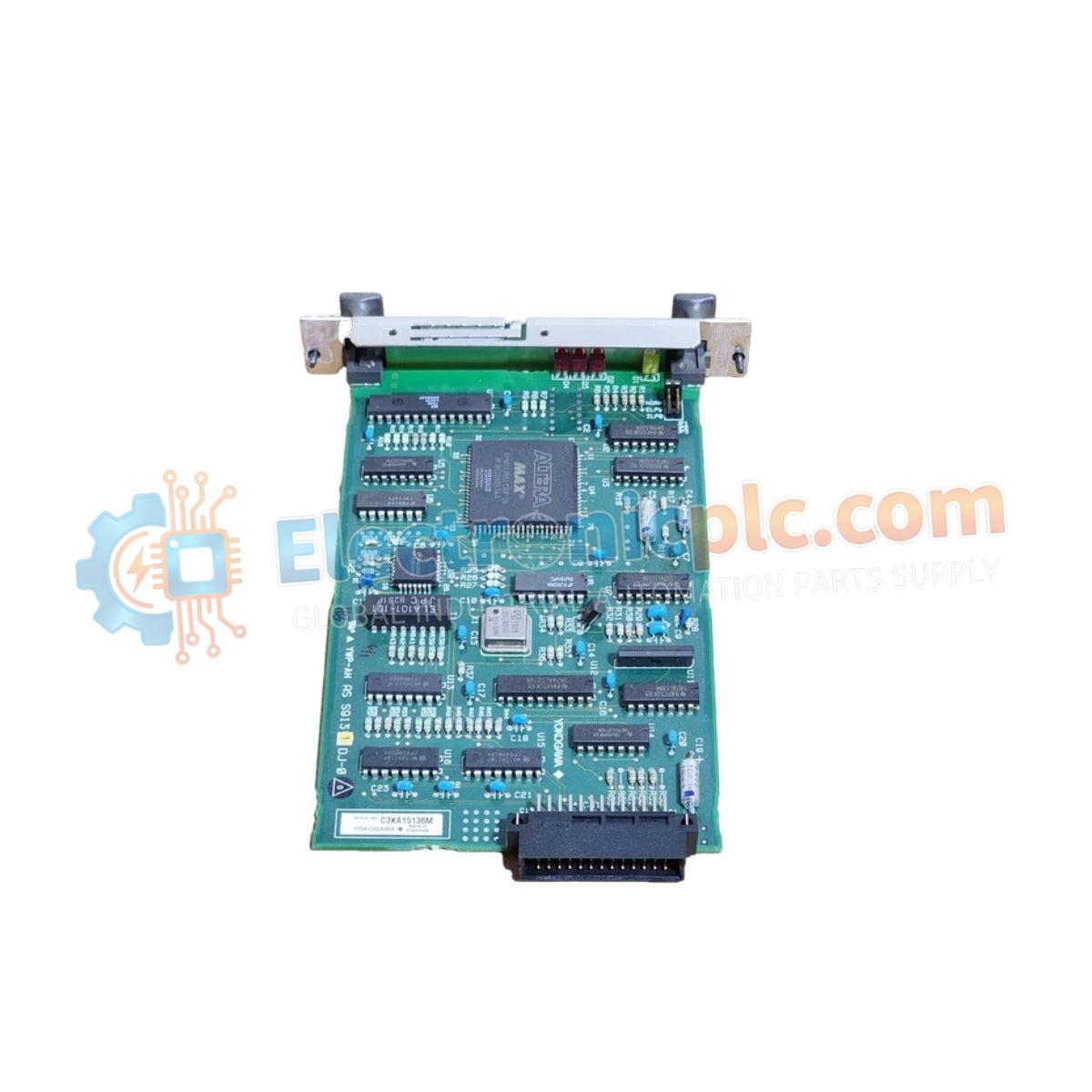
AIP171 Yokogawa Transceiver Control Module New & Original Stock

AIP171 Yokogawa Transceiver Control Module New & Original Stock

Configured for network management in V-net repeater systems, the Yokogawa AIP171 (AIP171 Transceiver Control Module) provides direct physical execution of transceiver monitoring and signal integrity management across control network segments.

...
25 يشاهد الناس هذا الآن

التوافرالكمية المتبقية: 99

رمز المنتج: AIP171
بائع: Yokogawa

الشحن والإرجاع

توصيل موثوق به في جميع أنحاء العالم

  • شركات الشحن: يتم الشحن عبر DHL أو FedEx أو UPS أو USPS .
  • الشحن: تتم معالجة الطلبات خلال يوم عمل واحد إلى يومين، ويتم شحنها خلال 3 إلى 5 أيام عمل .
  • التتبع: يتم توفير تفاصيل التتبع الكاملة عبر البريد الإلكتروني عند الشحن.

ضمان استرداد الأموال خلال 30 يومًا

  • الضمان: فترة إرجاع لمدة 30 يومًا للمنتجات المتوفرة في المخزون والمغلفة من المصنع.
  • الشروط: يجب أن تكون المنتجات غير مفتوحة وغير مستخدمة وفي عبوتها الأصلية.
  • الأصالة: نضمن أن تكون الأجهزة أصلية 100% .

هل تحتاج إلى مزيد من التفاصيل؟ اقرأ سياسة الشحن وسياسة الاسترداد الكاملة.

الأصالة والضمان

  • ضمان أصلي: نحن نوفر فقط قطع غيار أصلية 100%، جديدة تمامًا، ومغلقة من المصنع .
  • تغطية كاملة: كل مكون مدعوم بضمان شامل لمدة 12 شهرًا من تاريخ الشراء.
  • إمكانية التتبع: جميع المنتجات تأتي مع وثائق المصنع الأصلية والملحقات اللازمة للامتثال الكامل للمعايير الصناعية.

الدعم الفني والتوريد

  • مساعدة الخبراء: يقدم فريقنا الفني استشارات مجانية لمساعدتك في التحقق من التوافق مع أنظمة DCS و PLC.
  • مصادر القطع النادرة: متخصصون في المكونات القديمة والتي يصعب العثور عليها من Allen-Bradley و Siemens و ABB و HIMA وغيرها.
  • للاستفسارات المتعلقة بالكميات الكبيرة: تواصلوا معنا على pambo@5gplc.com للحصول على أسعار الكميات الكبيرة أو عروض أسعار المشاريع المخصصة.
عرض تفاصيل المنتج الكاملة

Configured for network management in V-net repeater systems, the Yokogawa AIP171 (AIP171 Transceiver Control Module) provides direct physical execution of transceiver monitoring and signal integrity management across control network segments.

Hardware Specifications

Parameter Specification
Model AIP171
Brand Yokogawa
Origin Japan
Weight 1 kg
Dimensions 100 mm x 200 mm x 30 mm
Operating Temp 0 deg C to 50 deg C
Power Consumption 24 VDC / 20 W
Control Capacity Up to 16 transceivers
Compatibility Electrical and optical transceivers

DCS Process Control & Data Integrity

The AIP171 module serves as the supervisory controller for transceiver arrays, utilizing internal logic to perform active fault detection and signal isolation. By monitoring the status of both electrical and optical transceiver interfaces, the module ensures that localized hardware failures do not propagate to the broader V-net backbone. The integration of configurable DIP switches allows for precise protocol alignment and network timing adjustments, ensuring deterministic packet delivery and minimal latency within the CENTUM control architecture.

Frequently Asked Questions

Q: How are the DIP switches configured on the AIP171?

A: DIP switch settings must be adjusted according to the specific network topology and the number of active transceivers as defined in the system engineering documentation. Settings must be verified against the site-specific network map to avoid addressing conflicts.

Q: Can the module manage a mix of optical and electrical transceivers simultaneously?

A: Yes, the module is designed for heterogeneous transceiver environments. It maintains separate signal integrity checks for both physical media types to ensure uniform performance across the V-net repeater segment.

Field Installation Guidelines

  • Install the module in an environment-controlled cabinet, ensuring the ambient temperature is maintained between 0 deg C and 50 deg C to prevent thermal throttling of the control processor.
  • Secure the unit on the mounting rail and verify that the 24 VDC supply voltage is stabilized; current draw fluctuations up to 20 W require proper power distribution to avoid voltage sags.
  • When configuring the optical interfaces, ensure all fiber-optic connectors are free of debris to prevent signal attenuation that the module might interpret as a transceiver fault.
  • Perform a full system bus check after installation to confirm that all 16 transceiver slots are correctly identified and polled by the central control processor.