انتقل إلى معلومات المنتج
1 ل 3

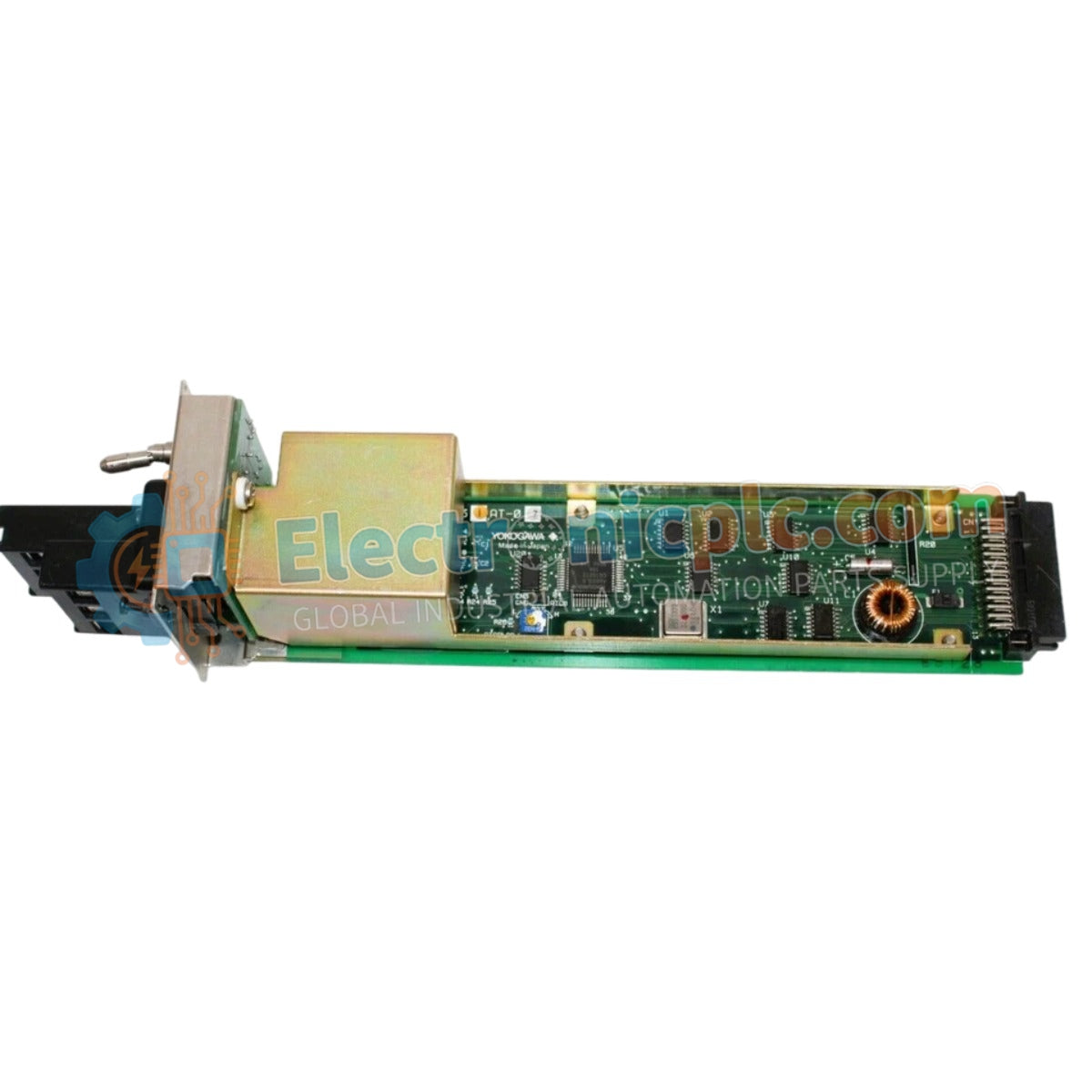
AIP512 Yokogawa RIO Bus Connection Module New & Original Stock

AIP512 Yokogawa RIO Bus Connection Module New & Original Stock

Configured for multi-node signal aggregation in control network topologies, the Yokogawa AIP512-S1 (AIP512 RIO Bus Connection Module) provides direct physical execution of Remote I/O data concentration across the RIO bus.

...
19 يشاهد الناس هذا الآن

التوافرالكمية المتبقية: 99

رمز المنتج: AIP512
بائع: Yokogawa

الشحن والإرجاع

توصيل موثوق به في جميع أنحاء العالم

  • شركات الشحن: يتم الشحن عبر DHL أو FedEx أو UPS أو USPS .
  • الشحن: تتم معالجة الطلبات خلال يوم عمل واحد إلى يومين، ويتم شحنها خلال 3 إلى 5 أيام عمل .
  • التتبع: يتم توفير تفاصيل التتبع الكاملة عبر البريد الإلكتروني عند الشحن.

ضمان استرداد الأموال خلال 30 يومًا

  • الضمان: فترة إرجاع لمدة 30 يومًا للمنتجات المتوفرة في المخزون والمغلفة من المصنع.
  • الشروط: يجب أن تكون المنتجات غير مفتوحة وغير مستخدمة وفي عبوتها الأصلية.
  • الأصالة: نضمن أن تكون الأجهزة أصلية 100% .

هل تحتاج إلى مزيد من التفاصيل؟ اقرأ سياسة الشحن وسياسة الاسترداد الكاملة.

الأصالة والضمان

  • ضمان أصلي: نحن نوفر فقط قطع غيار أصلية 100%، جديدة تمامًا، ومغلقة من المصنع .
  • تغطية كاملة: كل مكون مدعوم بضمان شامل لمدة 12 شهرًا من تاريخ الشراء.
  • إمكانية التتبع: جميع المنتجات تأتي مع وثائق المصنع الأصلية والملحقات اللازمة للامتثال الكامل للمعايير الصناعية.

الدعم الفني والتوريد

  • مساعدة الخبراء: يقدم فريقنا الفني استشارات مجانية لمساعدتك في التحقق من التوافق مع أنظمة DCS و PLC.
  • مصادر القطع النادرة: متخصصون في المكونات القديمة والتي يصعب العثور عليها من Allen-Bradley و Siemens و ABB و HIMA وغيرها.
  • للاستفسارات المتعلقة بالكميات الكبيرة: تواصلوا معنا على pambo@5gplc.com للحصول على أسعار الكميات الكبيرة أو عروض أسعار المشاريع المخصصة.
عرض تفاصيل المنتج الكاملة

Configured for multi-node signal aggregation in control network topologies, the Yokogawa AIP512-S1 (AIP512 RIO Bus Connection Module) provides direct physical execution of Remote I/O data concentration across the RIO bus.

Suffix Breakdown & Model Matrix

Model Description
AIP512-S1 Standard RIO Bus Connection Module

Hardware Specifications

Parameter Specification
Model AIP512-S1
Brand Yokogawa
Origin Japan
Weight 1.2 kg
Dimensions 230 mm x 130 mm x 60 mm
Operating Temp -20 deg C to 60 deg C
Power Consumption 24 VDC / 2.5 W
Connection Capacity Up to 32 RIO devices
Cabling Twisted pair
Termination M4 screw terminal

DCS Process Control & Data Integrity

The AIP512-S1 functions as the primary node interface for managing distributed field signals. It ensures channel-to-channel isolation to suppress common-mode noise across the RIO bus, critical for maintaining signal integrity when communicating with up to 32 disparate I/O devices. The module is engineered to handle 4-20 mA HART loop protocol streams by maintaining precise signal impedance, while internal diagnostics monitor for bus-level communication latency and transmission errors characteristic of large-scale RIO network segments.

Frequently Asked Questions

Q: Can the AIP512 module be mounted in non-19-inch standard enclosures? A: While the module is designed for 19-inch rack mounting, it can be installed in custom enclosures provided the mounting depth allows for 60 mm clearance and local ambient temperatures remain within the -20 deg C to 60 deg C operational range.

Q: Is external termination required for the twisted pair RIO bus? A: Yes, bus termination is mandatory at the physical extremities of the RIO segment to prevent signal reflections. Ensure the total load does not exceed the communication threshold defined by the RIO bus timing specifications.

Field Installation Guidelines

  • Secure the module using the provided M4 mounting points to ensure rigid physical contact with the cabinet ground plane for electromagnetic compatibility.
  • When terminating twisted pair wiring at the M4 terminals, ensure the shield drain wire is connected to the common system ground reference at only one end to prevent ground loops.
  • Verify that the 24 VDC supply voltage is stable and meets the 2.5 W power draw requirement before finalizing wiring; utilize a dedicated power supply circuit for RIO bus modules to avoid noise injection from high-inductance field loads.
  • Route communication cabling through dedicated conduits separated from high-voltage AC lines by a minimum of 150 mm to maintain signal clarity and prevent cross-talk.