
سلة التسوق الخاصة بي
0 عنصرًا
قطع غيار أصلية للأتمتة | توصيل سريع عالمي | ضمان لمدة 12 شهرًا — [احصل على عرض سعر]

تم تصميم YOKOGAWA AIP571 S2 (وحدة الإدخال/الإخراج AIP571 الكهربائية لأجهزة الإرسال والاستقبال RIO I/O) لتوزيع الإشارات عالي السرعة ضمن بنية التحكم CENTUM VP، وتوفر تنفيذًا ماديًا وكهربائيًا مباشرًا لنقل البيانات...
التوافر: الكمية المتبقية: 99
توصيل موثوق به في جميع أنحاء العالم
ضمان استرداد الأموال خلال 30 يومًا
هل تحتاج إلى مزيد من التفاصيل؟ اقرأ سياسة الشحن وسياسة الاسترداد الكاملة.


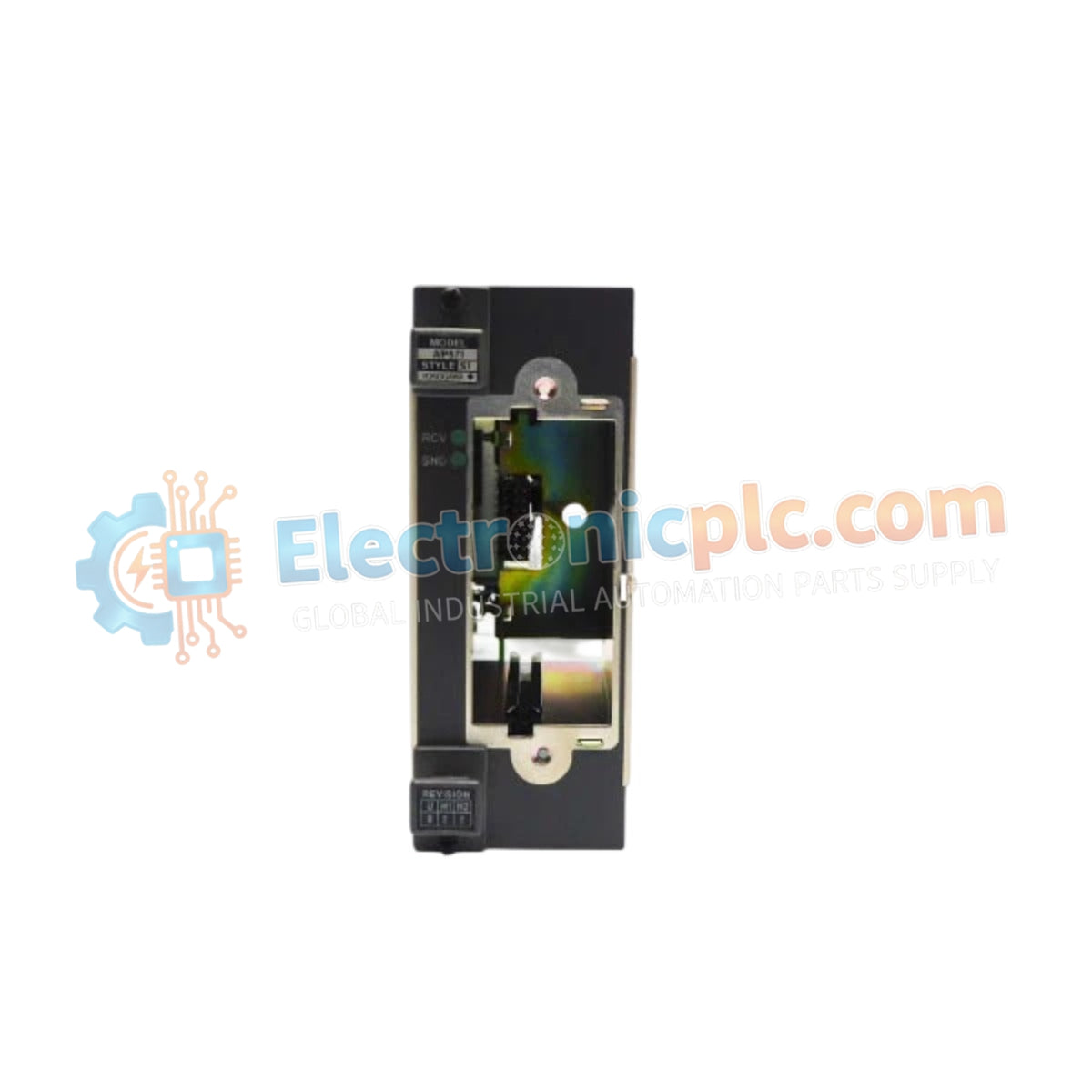
تم تصميم YOKOGAWA AIP571 S2 (وحدة الإدخال/الإخراج AIP571 الكهربائية لأجهزة الإرسال والاستقبال RIO I/O) لتوزيع الإشارات عالي السرعة ضمن بنية التحكم CENTUM VP، وتوفر تنفيذًا ماديًا وكهربائيًا مباشرًا لنقل البيانات بالألياف الضوئية بين وحدات الإدخال/الإخراج البعيدة ووحدات التحكم الميدانية (FCU).
تشير AIP571 S2 إلى المراجعة المحددة للأجهزة المُحسّنة للربط البصري للألياف الضوئية لمسافات طويلة. لا توجد متغيرات وظيفية أخرى أو رموز فرعية معيارية مُحددة لهذا النوع من الأجهزة في الوثائق القياسية.
| المعلمة | المواصفات |
|---|---|
| النموذج | AIP571 S2 |
| العلامة التجارية | YOKOGAWA |
| المنشأ | اليابان |
| الوزن | 1.5 كجم |
| الأبعاد | 160 مم × 60 مم × 30 مم |
| درجة حرارة التشغيل | -20 إلى 70 درجة مئوية |
| استهلاك الطاقة | 20 واط |
| مزود الطاقة | 24 VDC |
| معدل نقل البيانات | 100 ميجابت في الثانية |
| وسيط الاتصال | الألياف الضوئية |
تستخدم بنية AIP571 S2 وسائط الألياف الضوئية لتوفير عزل كهربائي بين أجزاء العملية البعيدة، مما يمنع مشاكل تحول جهد الأرض الشائعة في أنظمة التحكم الموزعة جغرافيًا. تدعم الوحدة مسارات اتصال متكررة، مما يضمن أن فشل كابل واحد لا يؤثر على نقل البيانات المحدد المطلوب لعمليات CENTUM VP. من خلال الحفاظ على سرعة نقل تبلغ 100 ميجابت في الثانية، تقلل الوحدة من زمن انتقال البروتوكول بين وحدة التحكم الميدانية ورف الإدخال/الإخراج البعيد.
س: هل تتطلب AIP571 S2 تهيئة خارجية لإدارة التكرار؟
ج: يتم إدارة منطق التكرار بواسطة البرامج الثابتة لوحدة التحكم الميدانية (FCU). عند تثبيت وحدتين مزدوجتين مع مسارات ألياف بصرية متكررة، يقوم النظام تلقائيًا بالتحكيم بين المسارات لضمان الاتصال المستمر.
س: هل متطلبات مزود الطاقة 24 VDC حساسة لتقلبات الجهد؟
ج: تم تصميم الوحدة لتعمل ضمن نطاقات 24 VDC الصناعية القياسية. ومع ذلك، للحفاظ على استقرار نقل 100 ميجابت في الثانية، يوصى باستخدام مصدر طاقة تيار مستمر منظم ومنخفض الضوضاء لمنع تداخل التموج على دوائر جهاز الإرسال والاستقبال.


