
سلة التسوق الخاصة بي
0 عنصرًا
قطع غيار أصلية للأتمتة | توصيل سريع عالمي | ضمان لمدة 12 شهرًا — [احصل على عرض سعر]

تعمل وحدةYOKOGAWA ALF111-S51 (وحدة اتصال الشبكة الصناعية Foundation Fieldbus ALF111) كمكون أجهزة مخصص للاتصال على مستوى الحقل واكتساب البيانات ضمن هياكل التحكم CENTUM VP وCENTUM CS 3000. توفر هذه الوحدة...
التوافر: في الأوراق المالية
توصيل موثوق به في جميع أنحاء العالم
ضمان استرداد الأموال خلال 30 يومًا
هل تحتاج إلى مزيد من التفاصيل؟ اقرأ سياسة الشحن وسياسة الاسترداد الكاملة.


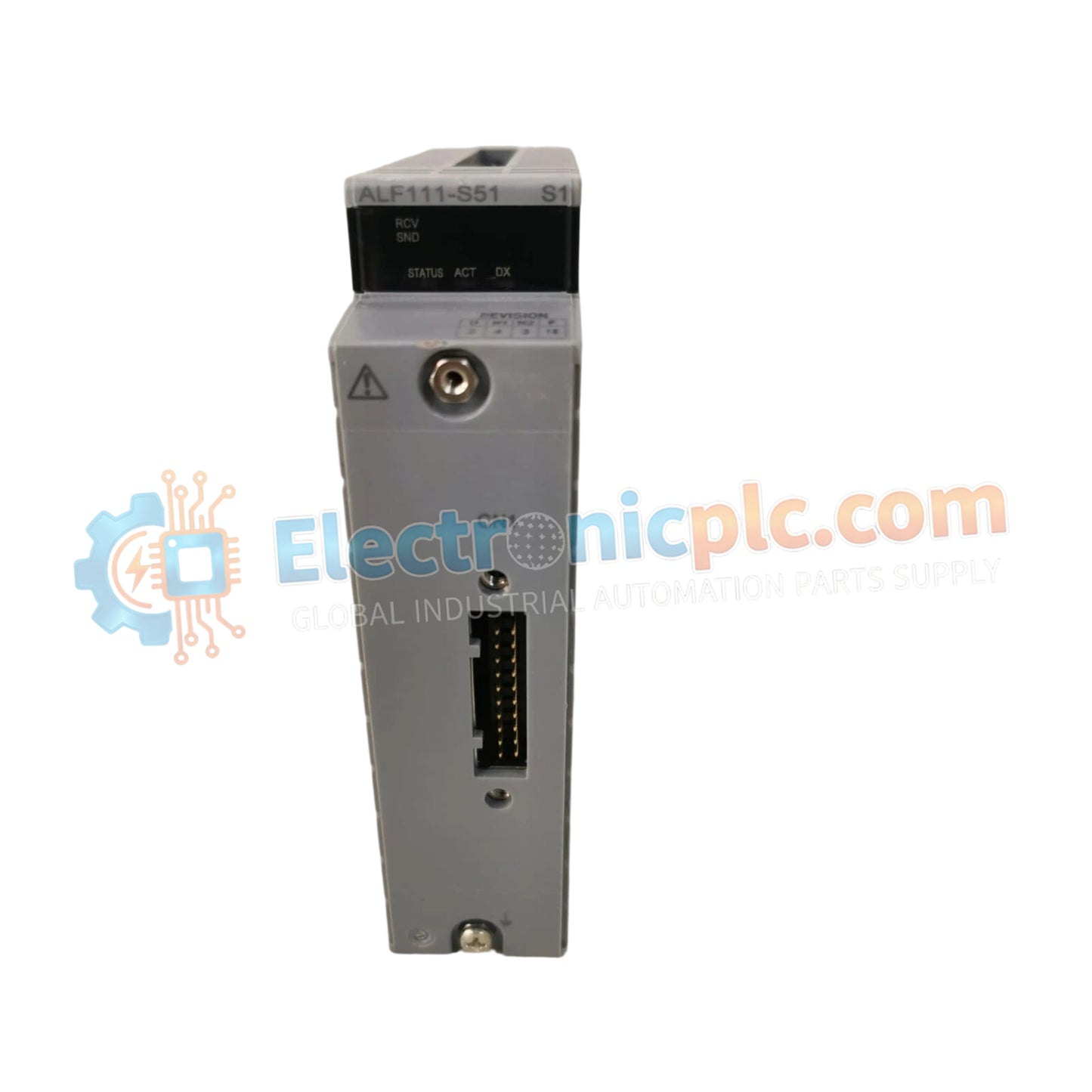
تعمل وحدةYOKOGAWA ALF111-S51 (وحدة اتصال الشبكة الصناعية Foundation Fieldbus ALF111) كمكون أجهزة مخصص للاتصال على مستوى الحقل واكتساب البيانات ضمن هياكل التحكم CENTUM VP وCENTUM CS 3000. توفر هذه الوحدة تنفيذًا فيزيائيًا/كهربائيًا مباشرًا لاتصال FOUNDATION Fieldbus H1، مما يسهل تبادل البيانات عالي السرعة بين أجهزة الحقل ونظام التحكم الموزع.
يتم تعريف تهيئة ALF111-S51 بواسطة سمات البناء التالية:
ALF111: التسمية النموذجية الأساسية لوحدة الاتصال بالشبكة الصناعية Foundation Fieldbus.
-S: يحدد نوع التشغيل القياسي لبيئات التحكم في العمليات للأغراض العامة.
5: يشير إلى عدم وجود حماية مدمجة من الانفجارات، ويتطلب حواجز خارجية للامتثال للمواقع الخطرة.
1: يحدد تضمين خيار ISA Standard G3، مما يوفر مقاومة محسنة للظروف البيئية المسببة للتآكل.
| المعلمة | المواصفة |
| النموذج | ALF111-S51 |
| العلامة التجارية | YOKOGAWA |
| المنشأ | اليابان |
| الوزن | 0.4 كجم |
| الأبعاد | وحدة غلاف قياسية |
| درجة حرارة التشغيل | معيار صناعي |
| استهلاك الطاقة | 5 فولت تيار مستمر (منطق داخلي) |
| الاتصال | Foundation Fieldbus H1 |
| البيئة | متوافق مع ISA Standard G3 |
يدعم ALF111-S51 اتصال FOUNDATION Fieldbus المحدد، مما يتيح نقل البيانات متعدد المتغيرات عبر جزء واحد من الزوج الملتوي. يدير حركة المرور الدورية وغير الدورية المطلوبة للأجهزة المعقدة، مما يضمن مزامنة متغيرات العملية وبيانات تشخيص الجهاز ومعلمات التكوين مع دورات المسح لوحدة التحكم في المحطة. يتيح تطبيق الوحدة للطاقة الكهربائية للناقل وتكييف الإشارة دمج العديد من الأجهزة الحقلية الذكية مع الحفاظ على الامتثال الصارم لمواصفات الطبقة الفيزيائية للشبكة الصناعية.
س: هل يمكن استخدام ALF111-S51 في تكوين Fieldbus زائد عن الحاجة (redundant)؟
ج: نعم، تدعم الوحدة اتصال Fieldbus زائد عن الحاجة. عند اقترانها بوحدة ALF111 ثانوية في تكوين مزدوج، فإنها توفر تجاوزًا تلقائيًا للأعطال، مما يضمن بقاء اتصال حلقة التحكم مستقرًا في حالة حدوث عطل في الوحدة الأساسية.
س: هل خيار G3 ضروري لجميع التركيبات؟
ج: يوفر خيار ISA Standard G3 حماية متزايدة ضد الملوثات المسببة للتآكل المحمولة جوًا. يوصى باستخدامه في البيئات ذات تركيزات عالية من ثاني أكسيد الكبريت أو كبريتيد الهيدروجين أو غيرها من المواد الكيميائية القاسية لمنع الفشل المبكر لمسارات الدوائر الداخلية.
تأكد من أن الوحدة مثبتة بالكامل في فتحة اللوحة الخلفية المخصصة قبل إحكام براغي التثبيت الميكانيكية لضمان اتصال موثوق به بحافلة النظام.
عند الاتصال بقطاع FOUNDATION Fieldbus، تأكد من مطابقة المعاوقة الصحيحة في طرفي قطاع الحافلة باستخدام نهايات متوافقة.
استخدم الكابلات المزدوجة الملتوية المحمية المعتمدة خصيصًا لمعايير الطبقة الفيزيائية للشبكة الصناعية (يوصى عادةً بالنوع A). قم بتوصيل الدرع بحافلة تأريض الخزانة عند نقطة واحدة لمنع حلقات التأريض.
تحقق من أن جهد مصدر طاقة الحافلة عند طرف الجهاز الميداني يقع ضمن نطاق التشغيل (عادةً 9 فولت إلى 32 فولت تيار مستمر) بعد حساب انخفاض جهد الكابل.
بعد التثبيت الفعلي، استخدم أدوات هندسة النظام لإجراء اكتشاف قطاع الحافلة والتحقق من أن جميع الأجهزة المتصلة تم عنونتها بشكل صحيح وتتواصل دون أخطاء.


