
سلة التسوق الخاصة بي
0 عنصرًا
قطع غيار أصلية للأتمتة | توصيل سريع عالمي | ضمان لمدة 12 شهرًا — [احصل على عرض سعر]

تم تكوين YOKOGAWA ALR121-S53 (وحدة الاتصال ALR121-S53) لتبادل البيانات التسلسلية بين محطات التحكم الميداني (FCS) والأنظمة الفرعية الطرفية، وتوفر معالجة مباشرة للإشارة الفيزيائية وإدارة البروتوكولات. يعمل مكون الأجهزة هذا كجسر...
التوافر: الكمية المتبقية: 99
توصيل موثوق به في جميع أنحاء العالم
ضمان استرداد الأموال خلال 30 يومًا
هل تحتاج إلى مزيد من التفاصيل؟ اقرأ سياسة الشحن وسياسة الاسترداد الكاملة.
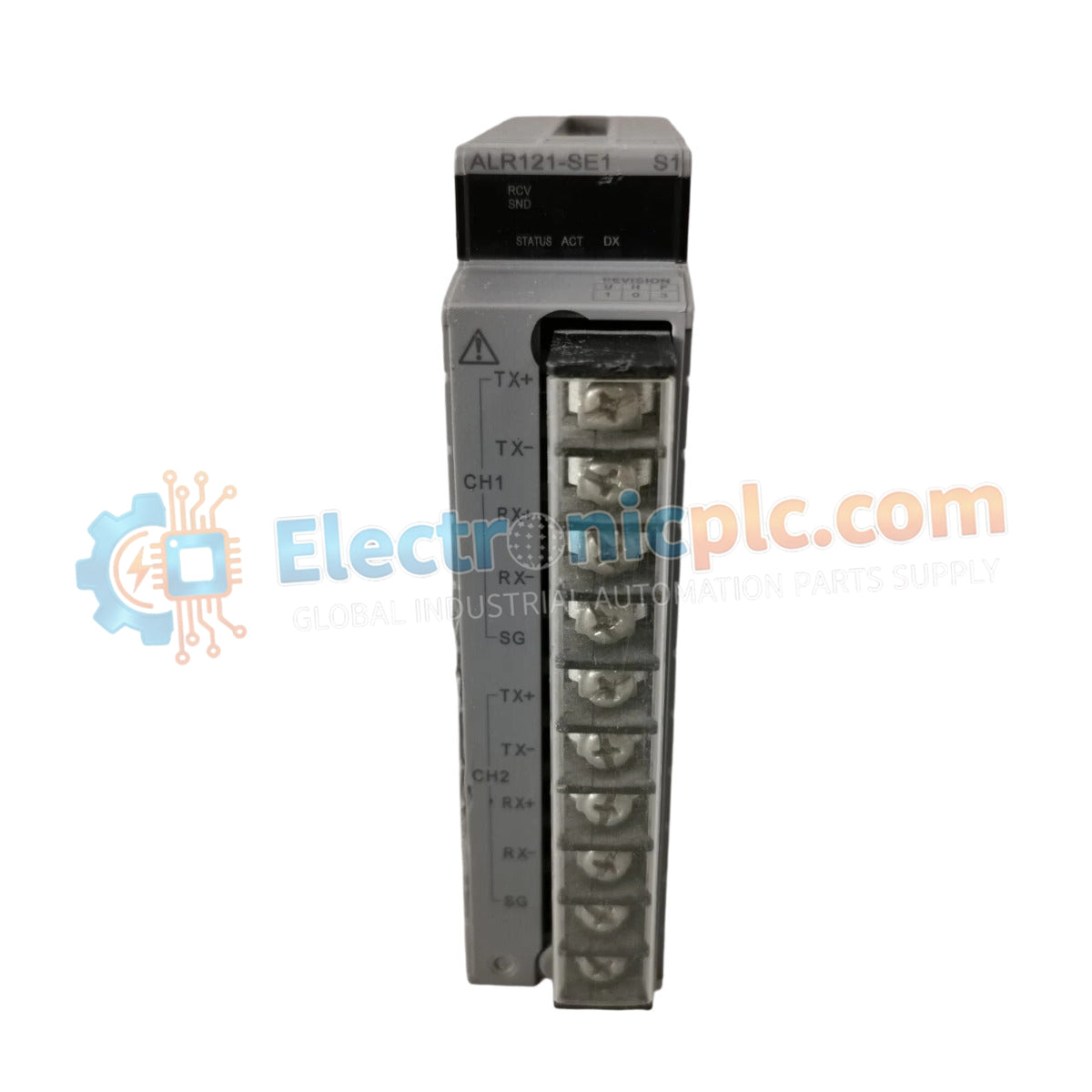
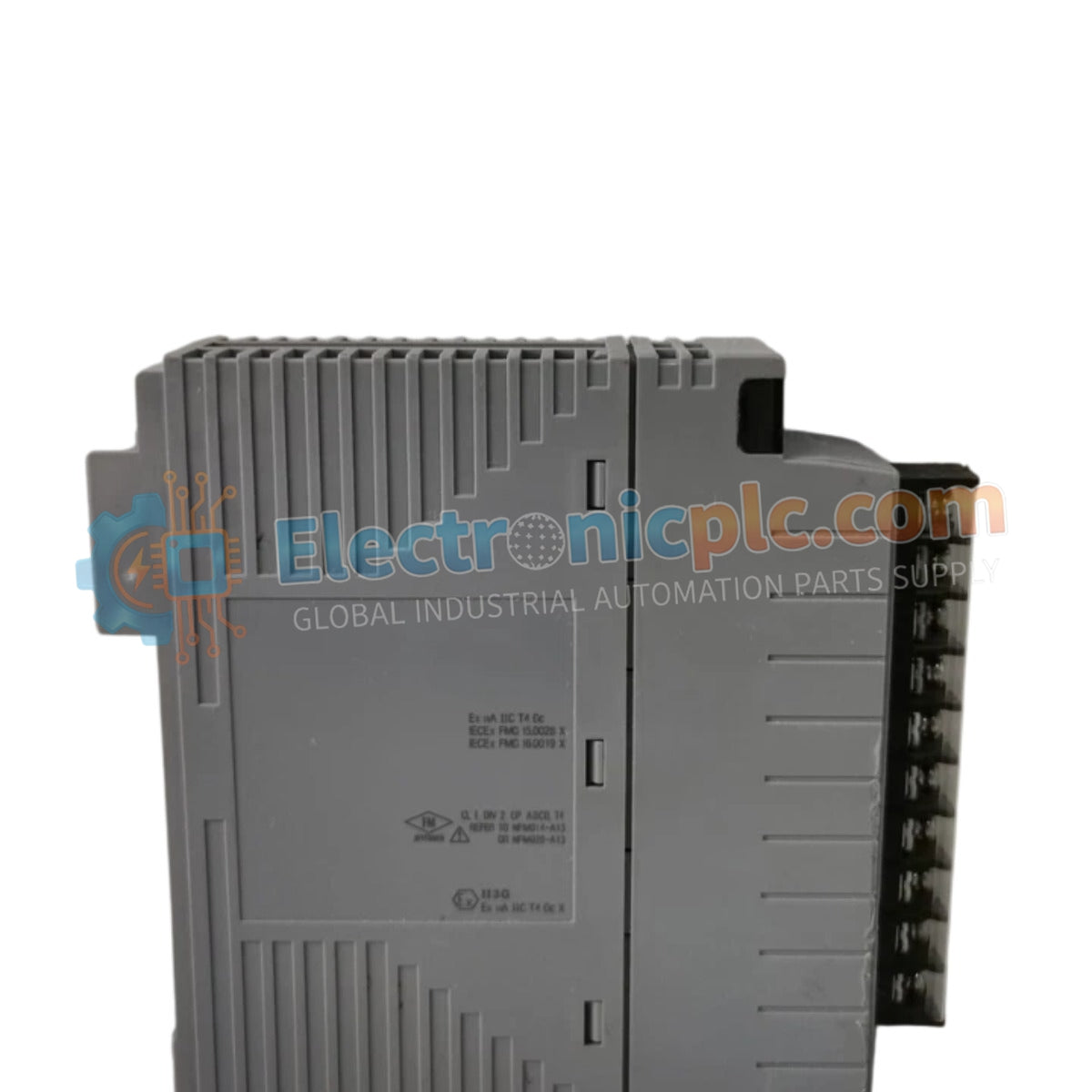
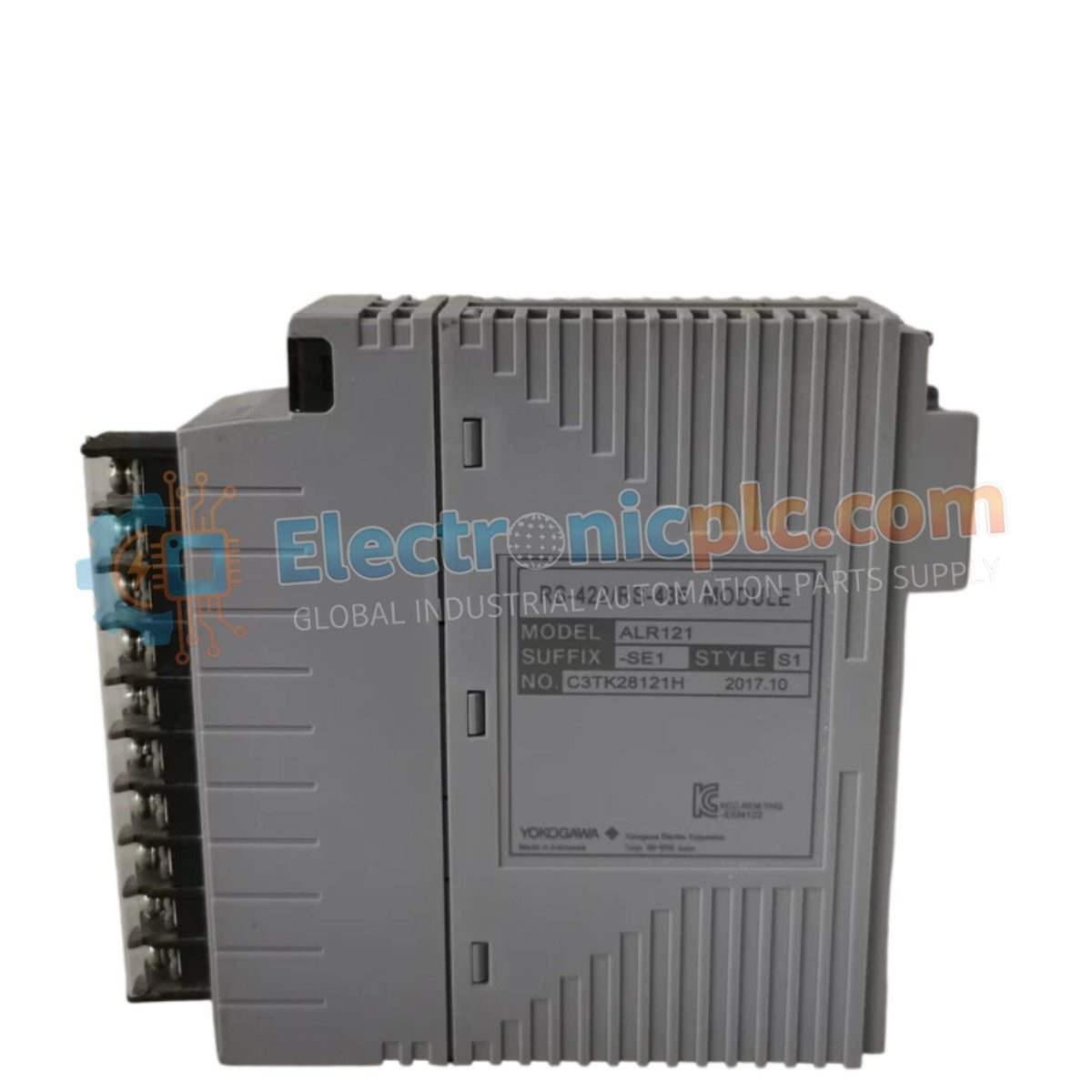
تم تكوين YOKOGAWA ALR121-S53 (وحدة الاتصال ALR121-S53) لتبادل البيانات التسلسلية بين محطات التحكم الميداني (FCS) والأنظمة الفرعية الطرفية، وتوفر معالجة مباشرة للإشارة الفيزيائية وإدارة البروتوكولات. يعمل مكون الأجهزة هذا كجسر واجهة يستخدم لتنفيذ الاتصال RS-422/RS-485 بنصف ازدواج عبر بنى شبكات التحكم الصناعية الموزعة.
| المعلمة | المواصفات |
|---|---|
| الموديل | ALR121-S53 |
| العلامة التجارية | YOKOGAWA |
| المنشأ | حسب علامة المصنع |
| الوزن | 0.3 كجم |
| الأبعاد | غير محددة |
| درجة حرارة التشغيل | النطاق الصناعي القياسي |
| استهلاك التيار | 0.5 أمبير |
| الواجهة | RS-422/RS-485 |
| سرعة الإرسال | 1200 إلى 38400 بت في الثانية |
| طريقة الإرسال | نصف ازدواج، مزامنة بدء-توقف |
يدعم ALR121-S53 التكامل التسلسلي متعدد الاستخدامات، مما يسمح لوحدة التحكم الميداني (FCS) بالاتصال بالأنظمة الفرعية مثل وحدات التحكم FA-M3. تدير الوحدة مزامنة الإطارات والتحقق من التكافؤ لضمان إعادة بناء حزم البيانات بشكل صحيح أثناء النقل. باستخدام إشارات RS-485، تتيح الوحدة اتصالًا متعدد النقاط قويًا عبر مسافات تصل إلى 1200 متر، وهو أمر ضروري لمراقبة الأنظمة الفرعية عن بُعد. يوفر تطبيق رموز الإرسال ASCII أو Binary مرونة لبروتوكولات الاتصال المتنوعة، بينما تخفف مرحلة الواجهة المعزولة كهربائيًا الضوضاء وحلقات الأرض في البيئات الكهربائية الصناعية القاسية.
س: هل يمكن لوحدة ALR121-S53 أن تعمل في وضع الازدواج الكامل؟
ج: لا. تم تصميم ALR121-S53 للاتصال بنصف ازدواج فقط. تأكد من أن بروتوكول النظام الفرعي المتصل مُكوّن لاستقصاء أو تسلسل أوامر رئيسي-تابع متوافق مع توقيت نصف الازدواج.
س: هل سرعة الإرسال قابلة للتكوين عبر البرامج؟
ج: نعم. يتم تكوين معلمات الإرسال، بما في ذلك معدل الباود، التكافؤ، وتنسيق الأحرف، ضمن إعدادات محطة الهندسة لخانة FCS المقابلة. تأكد من تطابق الإعدادات مع متطلبات الجهاز التابع لمنع أخطاء الإطارات.


