انتقل إلى معلومات المنتج
1 ل 3

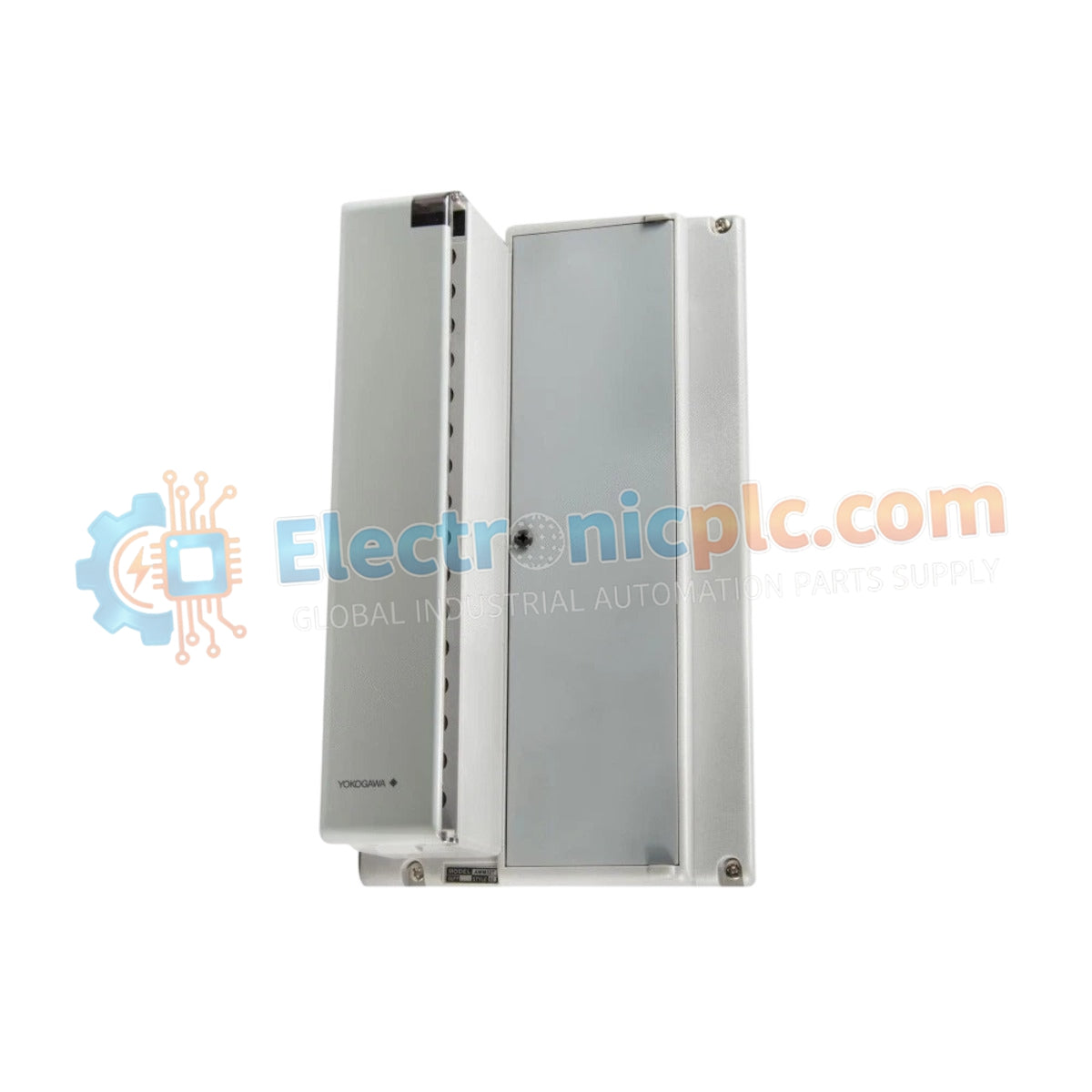
AMM31T YOKOGAWA RTD Input Multiplexer | New & Original Stock

AMM31T YOKOGAWA RTD Input Multiplexer | New & Original Stock

Engineered for precision thermal monitoring in industrial control systems, the YOKOGAWA AMM31T (AMM31T RTD Input Multiplexer Module) is a high-reliability component designed to interface multiple Resistance Temperature Detector (RTD) sensors...

18 يشاهد الناس هذا الآن

التوافرالكمية المتبقية: 99

رمز المنتج: AMM31T
بائع: Yokogawa
Related Series:

الشحن والإرجاع

توصيل موثوق به في جميع أنحاء العالم

  • شركات الشحن: يتم الشحن عبر DHL أو FedEx أو UPS أو USPS .
  • الشحن: تتم معالجة الطلبات خلال يوم عمل واحد إلى يومين، ويتم شحنها خلال 3 إلى 5 أيام عمل .
  • التتبع: يتم توفير تفاصيل التتبع الكاملة عبر البريد الإلكتروني عند الشحن.

ضمان استرداد الأموال خلال 30 يومًا

  • الضمان: فترة إرجاع لمدة 30 يومًا للمنتجات المتوفرة في المخزون والمغلفة من المصنع.
  • الشروط: يجب أن تكون المنتجات غير مفتوحة وغير مستخدمة وفي عبوتها الأصلية.
  • الأصالة: نضمن أن تكون الأجهزة أصلية 100% .

هل تحتاج إلى مزيد من التفاصيل؟ اقرأ سياسة الشحن وسياسة الاسترداد الكاملة.

الأصالة والضمان

  • ضمان أصلي: نحن نوفر فقط قطع غيار أصلية 100%، جديدة تمامًا، ومغلقة من المصنع .
  • تغطية كاملة: كل مكون مدعوم بضمان شامل لمدة 12 شهرًا من تاريخ الشراء.
  • إمكانية التتبع: جميع المنتجات تأتي مع وثائق المصنع الأصلية والملحقات اللازمة للامتثال الكامل للمعايير الصناعية.

الدعم الفني والتوريد

  • مساعدة الخبراء: يقدم فريقنا الفني استشارات مجانية لمساعدتك في التحقق من التوافق مع أنظمة DCS و PLC.
  • مصادر القطع النادرة: متخصصون في المكونات القديمة والتي يصعب العثور عليها من Allen-Bradley و Siemens و ABB و HIMA وغيرها.
  • للاستفسارات المتعلقة بالكميات الكبيرة: تواصلوا معنا على pambo@5gplc.com للحصول على أسعار الكميات الكبيرة أو عروض أسعار المشاريع المخصصة.
عرض تفاصيل المنتج الكاملة

Engineered for precision thermal monitoring in industrial control systems, the YOKOGAWA AMM31T (AMM31T RTD Input Multiplexer Module) is a high-reliability component designed to interface multiple Resistance Temperature Detector (RTD) sensors into a centralized Yokogawa DCS or PLC architecture. This module enables efficient signal acquisition, providing high-resolution temperature data for mission-critical process loops.

Hardware Specifications

Parameter Specification
Model AMM31T
Brand YOKOGAWA
Origin Japan
Weight 0.5 kg
Dimensions 150 x 100 x 120 mm
Operating Temp Industrial standard
Input Type RTD (Resistance Temperature Detector)
Function Signal Multiplexing

Process Control & Connectivity

The AMM31T is optimized for managing the low-resistance signals generated by RTDs. By utilizing multiplexing technology, the module can sample data from numerous sensors sequentially, digitizing the readings for downstream processing. This design is particularly effective in high-density applications where individual channel wiring for every sensor would be cost-prohibitive or physically impractical. The module provides the necessary excitation current for the RTD elements and utilizes internal bridge circuits to achieve precise temperature conversion.

Frequently Asked Questions

Q: How does the multiplexer handle potential lead-wire resistance errors?

A: The AMM31T is designed to support 3-wire or 4-wire RTD configurations, which allow the control system to compensate for lead-wire resistance, ensuring that the temperature reading is based solely on the RTD element's resistance.

Q: Is this module compatible with all standard RTD types (Pt100, Pt1000)?

A: Yes. The AMM31T is generally compatible with common industrial RTD standards. Configuration via the engineering workstation allows for the selection of specific RTD curves (e.g., DIN/IEC standards) to ensure accurate linearization across the sensor's range.

Field Installation Guidelines

  • Mounting: Ensure the AMM31T is securely mounted in the control cabinet. Use the module's footprint (150 x 100 x 120 mm) to plan for adequate cabling bend radii to prevent stress on the connectors.
  • Wiring: Use shielded cabling for all RTD connections. Connect the cable shield to the cabinet’s signal ground bar at the termination point to minimize electromagnetic interference (EMI) that can cause reading fluctuations.
  • Grounding: Bond the module chassis to the system ground bus to establish a stable reference potential, which is essential for accurate low-resistance measurements.
  • Commissioning: Verify the resistance of the RTD loop with a calibrated multimeter before connecting it to the AMM31T. In the engineering software, confirm that the channel configuration (e.g., Pt100, 3-wire) matches the actual hardware setup in the field.