انتقل إلى معلومات المنتج
1 ل 3

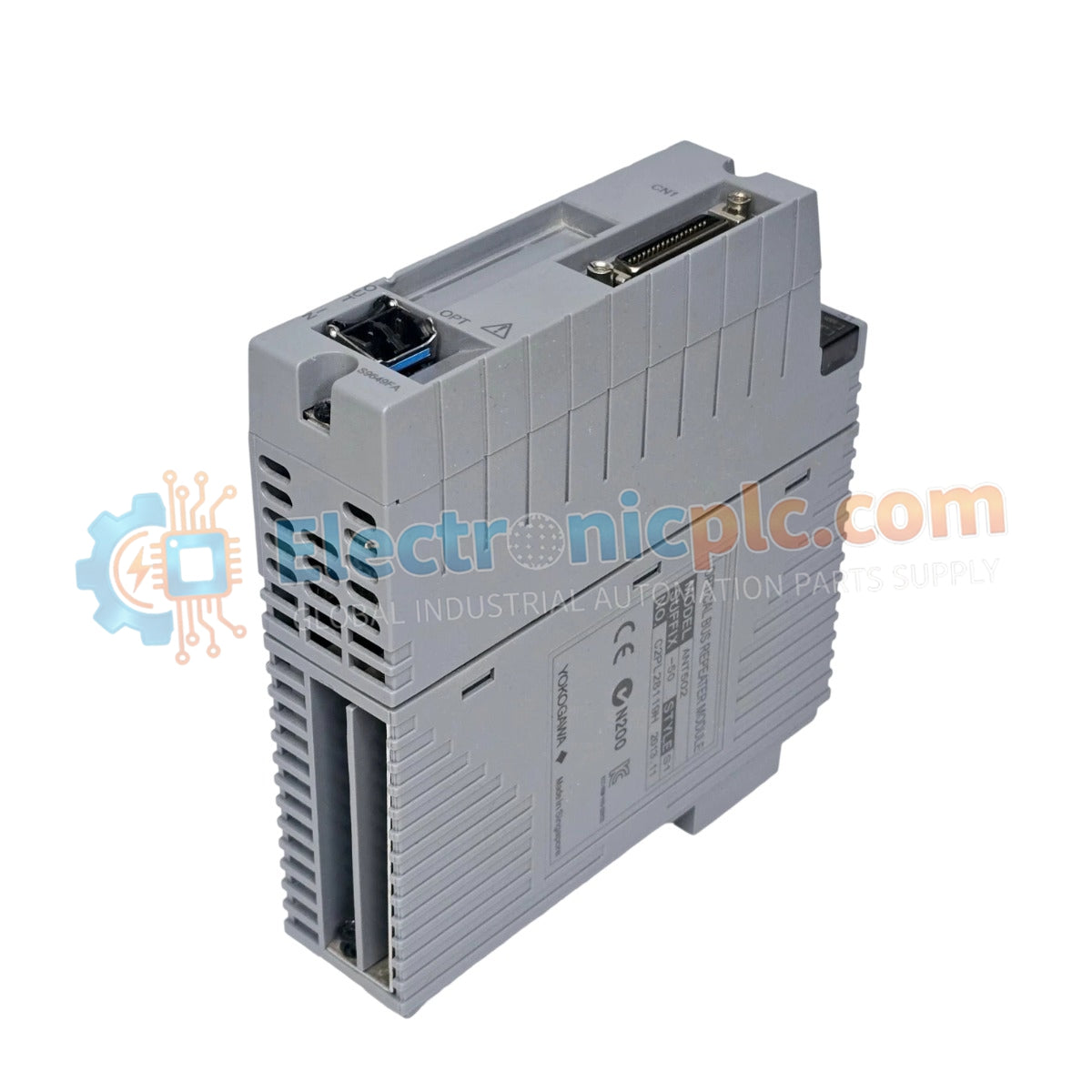
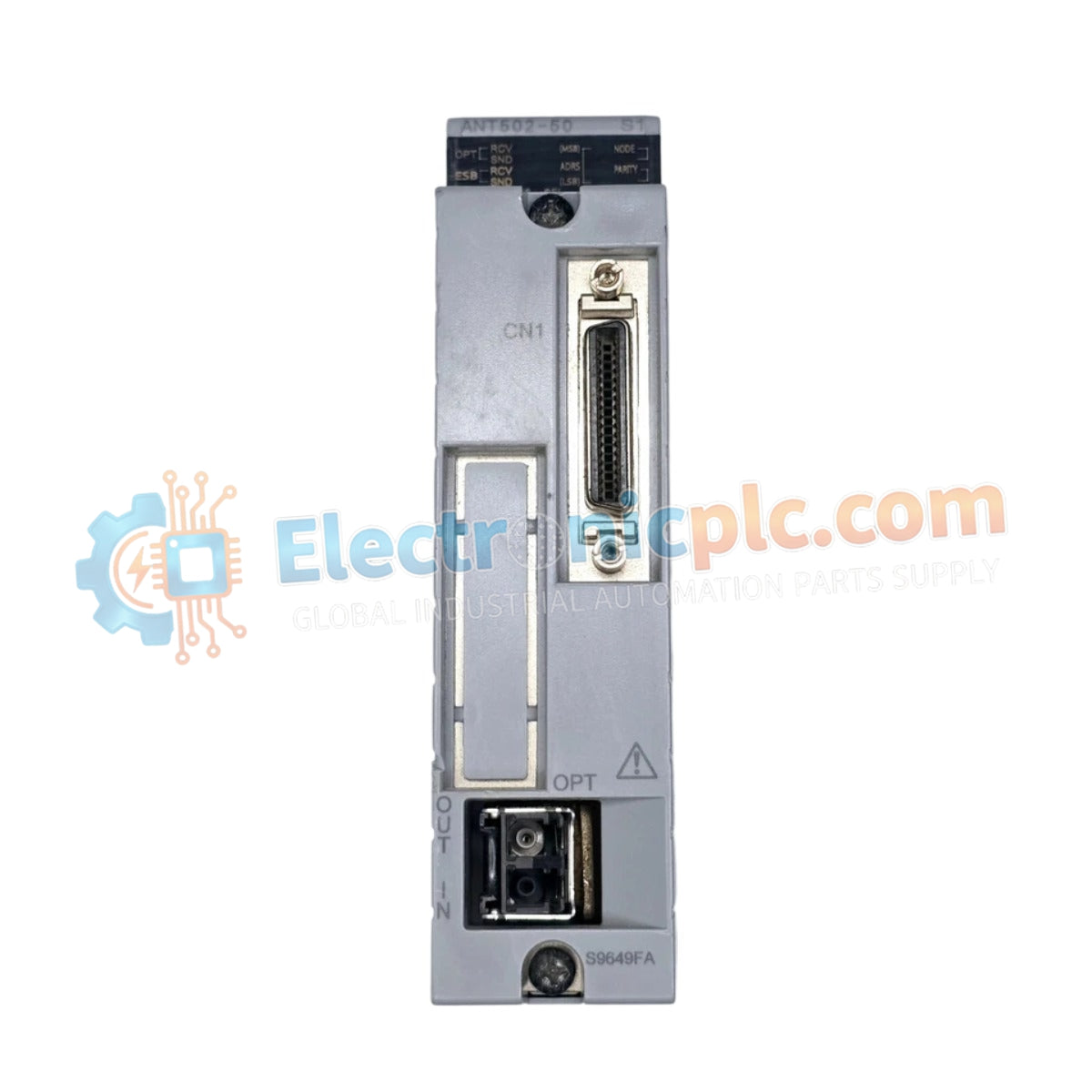
ANT502-5E Optical ESB Bus Unit Yokogawa

ANT502-5E Optical ESB Bus Unit Yokogawa

Configured for high-speed, long-distance data transmission in CENTUM VP process control architectures, the Yokogawa ANT502 (ANT502 Optical ESB Bus Unit) provides direct physical signal conversion between electrical ESB protocols and...

21 يشاهد الناس هذا الآن

التوافرالكمية المتبقية: 99

رمز المنتج: ANT502-5E
بائع: Yokogawa
Related Series:

الشحن والإرجاع

توصيل موثوق به في جميع أنحاء العالم

  • شركات الشحن: يتم الشحن عبر DHL أو FedEx أو UPS أو USPS .
  • الشحن: تتم معالجة الطلبات خلال يوم عمل واحد إلى يومين، ويتم شحنها خلال 3 إلى 5 أيام عمل .
  • التتبع: يتم توفير تفاصيل التتبع الكاملة عبر البريد الإلكتروني عند الشحن.

ضمان استرداد الأموال خلال 30 يومًا

  • الضمان: فترة إرجاع لمدة 30 يومًا للمنتجات المتوفرة في المخزون والمغلفة من المصنع.
  • الشروط: يجب أن تكون المنتجات غير مفتوحة وغير مستخدمة وفي عبوتها الأصلية.
  • الأصالة: نضمن أن تكون الأجهزة أصلية 100% .

هل تحتاج إلى مزيد من التفاصيل؟ اقرأ سياسة الشحن وسياسة الاسترداد الكاملة.
الأصالة والضمان

  • ضمان أصلي: نحن نوفر فقط قطع غيار أصلية 100%، جديدة تمامًا، ومغلقة من المصنع .
  • تغطية كاملة: كل مكون مدعوم بضمان شامل لمدة 12 شهرًا من تاريخ الشراء.
  • إمكانية التتبع: جميع المنتجات تأتي مع وثائق المصنع الأصلية والملحقات اللازمة للامتثال الكامل للمعايير الصناعية.

الدعم الفني والتوريد

  • مساعدة الخبراء: يقدم فريقنا الفني استشارات مجانية لمساعدتك في التحقق من التوافق مع أنظمة DCS و PLC.
  • مصادر القطع النادرة: متخصصون في المكونات القديمة والتي يصعب العثور عليها من Allen-Bradley و Siemens و ABB و HIMA وغيرها.
  • للاستفسارات المتعلقة بالكميات الكبيرة: تواصلوا معنا على pambo@5gplc.com للحصول على أسعار الكميات الكبيرة أو عروض أسعار المشاريع المخصصة.
عرض تفاصيل المنتج الكاملة

Configured for high-speed, long-distance data transmission in CENTUM VP process control architectures, the Yokogawa ANT502 (ANT502 Optical ESB Bus Unit) provides direct physical signal conversion between electrical ESB protocols and optical fiber communication mediums.

Suffix Breakdown & Model Matrix

  • ANT502: Base optical ESB bus communication unit identifier.

Hardware Specifications

Parameter Specification
Model ANT502
Brand Yokogawa
Origin Japan
Weight 0.25 kg
Dimensions 155.9 mm x 130 mm x 32.8 mm
Operating Temp -20 deg C to 60 deg C
Power Consumption < 5 W
Power Supply 24 VDC
Max Transmission 5 km

Optical Signal Conversion and Network Determinism

The ANT502 module bridges electrical ESB bus segments to fiber-optic links, enabling robust data transfer over distances up to 5 km. By converting electrical serial signals into optical pulses, the unit eliminates susceptibility to electromagnetic interference (EMI) and radio frequency interference (RFI) typically encountered in industrial plant environments. The conversion process is managed through a deterministic optical interface, ensuring that the timing characteristics required by the ESB network are preserved across the long-haul fiber link.

Frequently Asked Questions

Q: Does the ANT502 require external configuration for signal attenuation over 5 km?

A: The optical transceiver within the ANT502 is designed for the specified power budget over a 5 km link using compatible single-mode or multi-mode fiber. No manual attenuation adjustment is required, provided the fiber optic path complies with the insertion loss specifications defined in the Yokogawa network manual.

Q: Can this unit be used in a daisy-chain configuration on the ESB bus?

A: The ANT502 is designed to facilitate point-to-point optical communication links. Daisy-chaining optical units requires careful management of bus timing and termination; verify the network topology guidelines for your specific system revision before implementing multi-node optical hops.

Field Installation Guidelines

  1. Clean optical connector end-faces with industry-standard fiber cleaning tools prior to engagement to prevent signal loss caused by contaminants.
  2. Maintain a minimum bend radius of 10 times the cable diameter for all fiber optic cabling to prevent micro-cracks and signal attenuation.
  3. Ensure the 24 VDC power supply to the unit is isolated from the communication cabling to prevent ground-loop-induced noise at the electrical interface.
  4. Verify the link status using the integrated front-panel diagnostics; confirm that the optical signal power level is within the receiver's operational sensitivity window.
  5. In outdoor or high-humidity environments, utilize NEMA-rated enclosures to protect the unit from condensation, even if the unit is operating within the specified temperature range.