انتقل إلى معلومات المنتج
1 ل 2

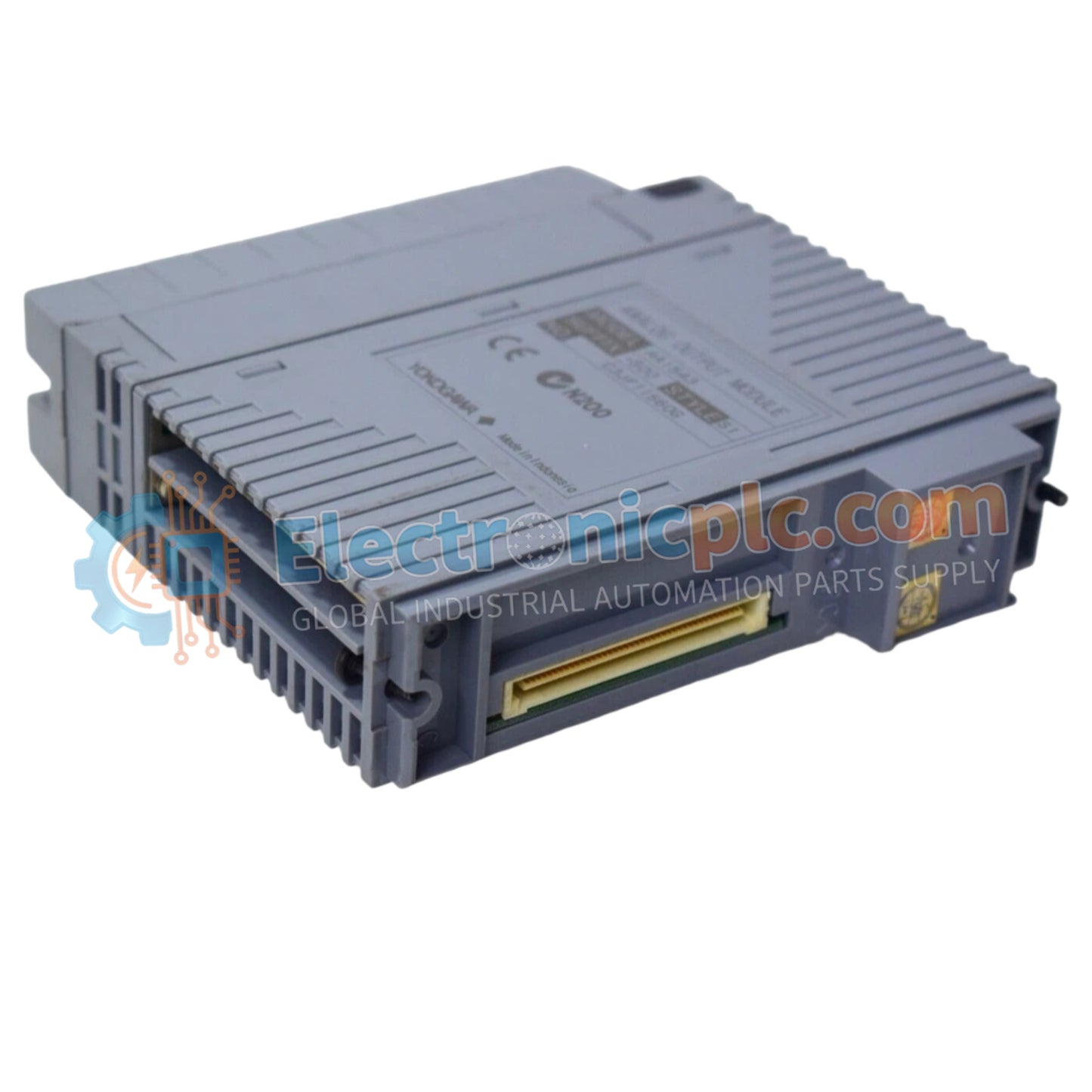
AP135-S00 Pulse Input Module Yokogawa

AP135-S00 Pulse Input Module Yokogawa

Configured for high-precision frequency and pulse signal acquisition within DCS architectures, the Yokogawa AP135-S00 (AP135-S00 Pulse Input Module) provides direct physical and electrical processing of 8-channel pulse-based process data within...

15 يشاهد الناس هذا الآن

التوافرفي الأوراق المالية

رمز المنتج: AP135-S00
بائع: Yokogawa
Related Series:

الشحن والإرجاع

توصيل موثوق به في جميع أنحاء العالم

  • شركات الشحن: يتم الشحن عبر DHL أو FedEx أو UPS أو USPS .
  • الشحن: تتم معالجة الطلبات خلال يوم عمل واحد إلى يومين، ويتم شحنها خلال 3 إلى 5 أيام عمل .
  • التتبع: يتم توفير تفاصيل التتبع الكاملة عبر البريد الإلكتروني عند الشحن.

ضمان استرداد الأموال خلال 30 يومًا

  • الضمان: فترة إرجاع لمدة 30 يومًا للمنتجات المتوفرة في المخزون والمغلفة من المصنع.
  • الشروط: يجب أن تكون المنتجات غير مفتوحة وغير مستخدمة وفي عبوتها الأصلية.
  • الأصالة: نضمن أن تكون الأجهزة أصلية 100% .

هل تحتاج إلى مزيد من التفاصيل؟ اقرأ سياسة الشحن وسياسة الاسترداد الكاملة.

الأصالة والضمان

  • ضمان أصلي: نحن نوفر فقط قطع غيار أصلية 100%، جديدة تمامًا، ومغلقة من المصنع .
  • تغطية كاملة: كل مكون مدعوم بضمان شامل لمدة 12 شهرًا من تاريخ الشراء.
  • إمكانية التتبع: جميع المنتجات تأتي مع وثائق المصنع الأصلية والملحقات اللازمة للامتثال الكامل للمعايير الصناعية.

الدعم الفني والتوريد

  • مساعدة الخبراء: يقدم فريقنا الفني استشارات مجانية لمساعدتك في التحقق من التوافق مع أنظمة DCS و PLC.
  • مصادر القطع النادرة: متخصصون في المكونات القديمة والتي يصعب العثور عليها من Allen-Bradley و Siemens و ABB و HIMA وغيرها.
  • للاستفسارات المتعلقة بالكميات الكبيرة: تواصلوا معنا على pambo@5gplc.com للحصول على أسعار الكميات الكبيرة أو عروض أسعار المشاريع المخصصة.
عرض تفاصيل المنتج الكاملة

Configured for high-precision frequency and pulse signal acquisition within DCS architectures, the Yokogawa AP135-S00 (AP135-S00 Pulse Input Module) provides direct physical and electrical processing of 8-channel pulse-based process data within CENTUM VP and CENTUM CS platforms.

Hardware Specifications

Parameter Specification
Model AP135-S00
Brand Yokogawa
Origin Japan
Weight 0.5 kg
Dimensions 230 mm x 110 mm x 30 mm
Operating Temp -20 deg C to +70 deg C
Power Consumption 10 W
Input Channels 8 channels
Signal Types Contact, voltage, current pulse
Input Frequency 0 to 800 Hz
Accuracy +/- 0.1% of full scale
Isolation 500 V AC

Process Control Connectivity and Signal Integrity

The AP135-S00 is engineered to provide robust signal isolation between field-side pulse transmitters and the DCS backplane. The module supports a diverse range of pulse input types, including contact state, voltage, and current pulses, making it highly effective for metering and flow measurement applications where precision is paramount. The internal architecture features channel-to-channel isolation, which is critical in preventing ground loop interference and minimizing common-mode noise across the 8-channel array. With an input frequency range of up to 800 Hz, the unit ensures deterministic pulse counting for rapid process transients.

Frequently Asked Questions

Q: Can the AP135-S00 be used for safety-critical speed monitoring?

A: While the module provides accurate pulse counting, ensure that the specific loop requirements are verified against the system's safety documentation; always use dedicated safety-rated modules for SIL-certified safety instrumented systems.

Q: What is the significance of the 500 V AC isolation voltage rating?

A: The isolation rating ensures that high-voltage potential differences between field devices and the DCS cabinet do not damage the module or corrupt data on the internal backplane, providing a reliable barrier against electrical faults.

Field Installation Guidelines

  1. Ensure the control cabinet power is de-energized before mounting the module to the backplane rack to avoid accidental short-circuits during the installation process.
  2. Utilize shielded twisted-pair cabling for all pulse input signals to mitigate electromagnetic interference and ensure the < 5 µVrms noise floor is maintained.
  3. Terminate signal cable shields at the designated cabinet grounding point, avoiding redundant grounds to prevent the formation of ground loops.
  4. Verify the signal type (contact, voltage, or current) via the configuration software to ensure the module internal impedance matches the field transmitter characteristics.
  5. Perform a commissioning check using a signal generator to verify pulse counts at 100 Hz, 400 Hz, and 800 Hz to ensure linear performance before full integration with control logic.