انتقل إلى معلومات المنتج
1 ل 3

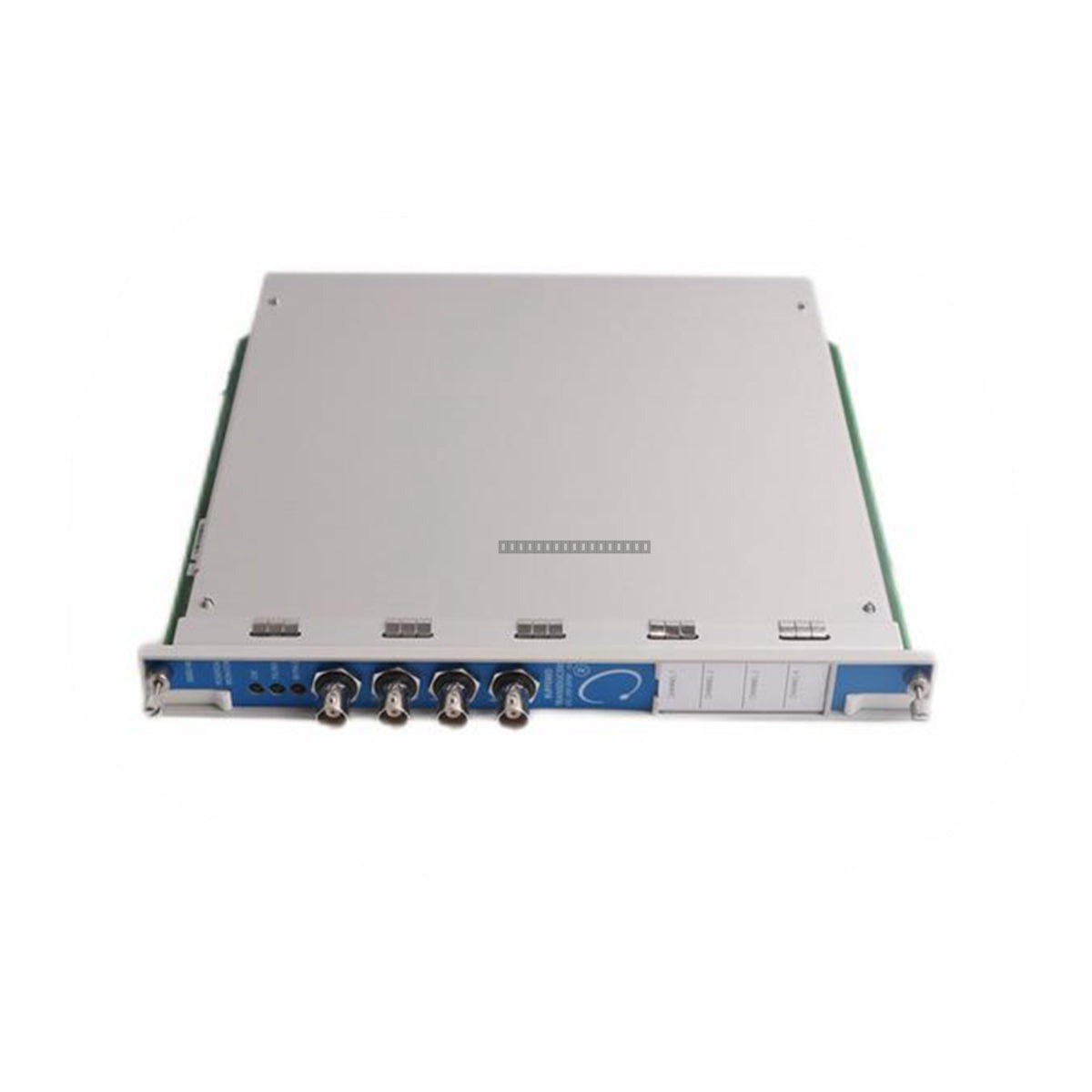
Bently Nevada 3500/34 4-Channel Relay Module

Bently Nevada 3500/34 4-Channel Relay Module

Description

The Bently Nevada 3500/34 is a 4-channel relay module designed for use within the 3500 Machinery Protection System. This module provides four relay outputs, each utilizing single-pole, double-throw (SPDT) contacts...

26 يشاهد الناس هذا الآن

التوافرالكمية المتبقية: 1

رمز المنتج: 3500/34
بائع: Bently Nevada
فئة: Relay Module

الشحن والإرجاع

توصيل موثوق به في جميع أنحاء العالم

  • شركات الشحن: يتم الشحن عبر DHL أو FedEx أو UPS أو USPS .
  • الشحن: تتم معالجة الطلبات خلال يوم عمل واحد إلى يومين، ويتم شحنها خلال 3 إلى 5 أيام عمل .
  • التتبع: يتم توفير تفاصيل التتبع الكاملة عبر البريد الإلكتروني عند الشحن.

ضمان استرداد الأموال خلال 30 يومًا

  • الضمان: فترة إرجاع لمدة 30 يومًا للمنتجات المتوفرة في المخزون والمغلفة من المصنع.
  • الشروط: يجب أن تكون المنتجات غير مفتوحة وغير مستخدمة وفي عبوتها الأصلية.
  • الأصالة: نضمن أن تكون الأجهزة أصلية 100% .

هل تحتاج إلى مزيد من التفاصيل؟ اقرأ سياسة الشحن وسياسة الاسترداد الكاملة.

الأصالة والضمان

  • ضمان أصلي: نحن نوفر فقط قطع غيار أصلية 100%، جديدة تمامًا، ومغلقة من المصنع .
  • تغطية كاملة: كل مكون مدعوم بضمان شامل لمدة 12 شهرًا من تاريخ الشراء.
  • إمكانية التتبع: جميع المنتجات تأتي مع وثائق المصنع الأصلية والملحقات اللازمة للامتثال الكامل للمعايير الصناعية.

الدعم الفني والتوريد

  • مساعدة الخبراء: يقدم فريقنا الفني استشارات مجانية لمساعدتك في التحقق من التوافق مع أنظمة DCS و PLC.
  • مصادر القطع النادرة: متخصصون في المكونات القديمة والتي يصعب العثور عليها من Allen-Bradley و Siemens و ABB و HIMA وغيرها.
  • للاستفسارات المتعلقة بالكميات الكبيرة: تواصلوا معنا على pambo@5gplc.com للحصول على أسعار الكميات الكبيرة أو عروض أسعار المشاريع المخصصة.
عرض تفاصيل المنتج الكاملة

Description

The Bently Nevada 3500/34 is a 4-channel relay module designed for use within the 3500 Machinery Protection System. This module provides four relay outputs, each utilizing single-pole, double-throw (SPDT) contacts to facilitate alarm and trip logic execution. The module is engineered for high reliability in industrial monitoring environments, featuring epoxy-sealed relays and integrated arc suppression to protect contact integrity during switching operations.

Features

  • Four independent relay channels per module.
  • SPDT (Single-Pole, Double-Throw) relay configuration.
  • Integrated arc suppression rated at 250 Vrms.
  • Epoxy-sealed relay construction for environmental protection.
  • Typical power consumption of 5.8 Watts.
  • Designed for seamless integration into the 3500 rack backplane.

Technical Specifications

Product Model 3500/34
Relay Type SPDT (Single-Pole, Double-Throw)
Power Consumption 5.8 Watts (typical)
Contact Life 100,000 cycles at 5 A, 24 Vdc or 240 Vac
Min. Switched Current 100 mA at 12 Vdc
Max. Switched Current 2 A at 0 to 30 Vdc
Max. Switched Voltage 30 Vdc
Operating Temperature -30 degC to +65 degC (-22 degF to +150 degF)
Storage Temperature -40 degC to +85 degC (-40 degF to +185 degF)
Humidity 95%, non-condensing

Installation Guidelines

  • Ensure the 3500 rack power is disconnected before installing or removing the module.
  • Slide the module into the designated rack slot, ensuring the backplane connectors are properly aligned.
  • Secure the module using the front panel captive screws to ensure proper grounding and mechanical stability.
  • Verify that all field wiring is routed away from high-EMI sources to prevent signal interference.
  • Maintain proper ventilation within the cabinet to ensure the operating temperature remains within the specified -30 degC to +65 degC range.

FAQ

What is the primary function of the 3500/34 module?

The 3500/34 is a relay output module that allows the 3500 system to trigger external alarms, shutdown systems, or other logic-based responses based on the status of monitored machinery parameters.

Are the relays in this module replaceable?

The 3500/34 relays are epoxy-sealed for environmental robustness; the module is designed as a field-replaceable unit rather than a component-level repairable device.