انتقل إلى معلومات المنتج
1 ل 3

BUS1 Yokogawa Communication Interface Module | New & Original Stock

BUS1 Yokogawa Communication Interface Module | New & Original Stock

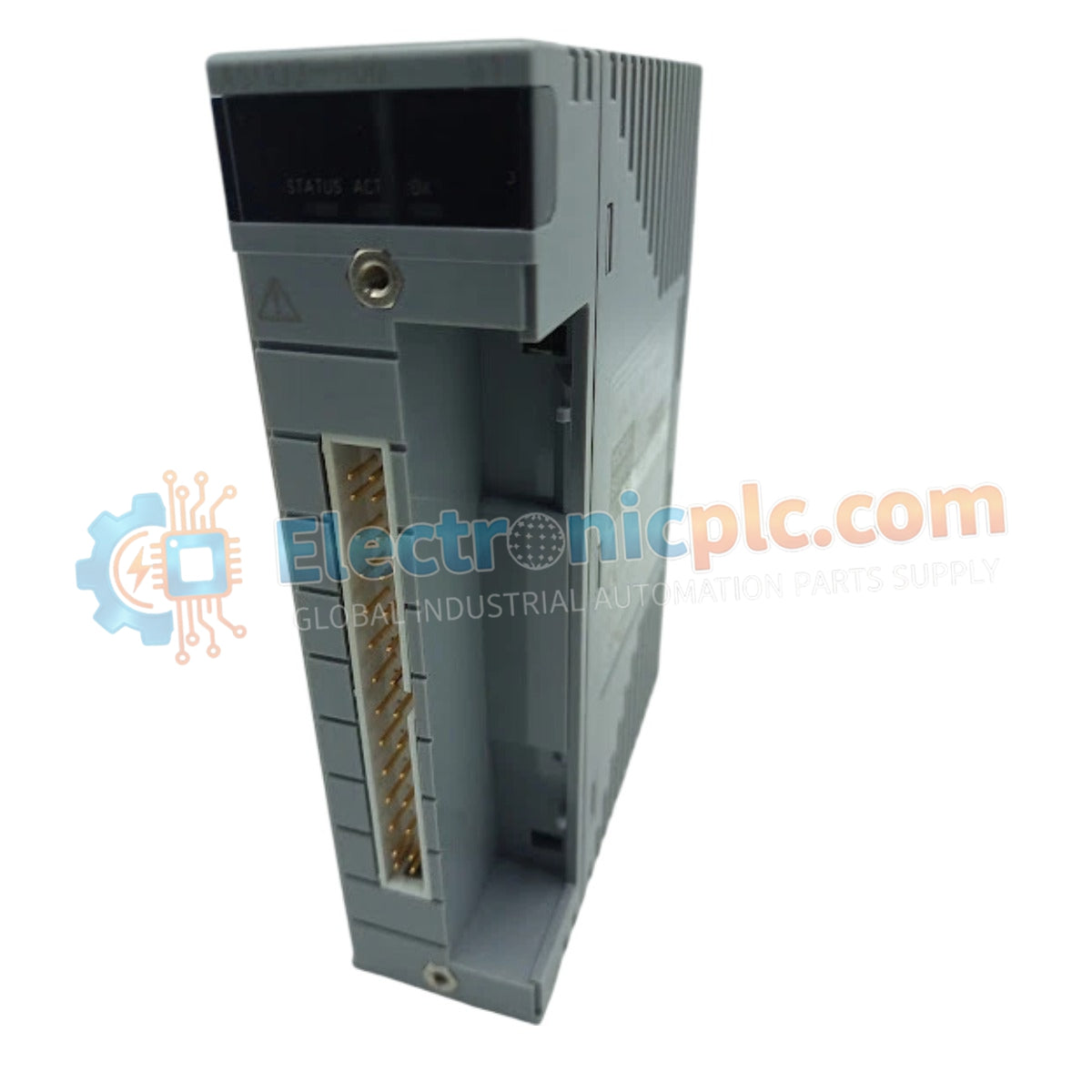
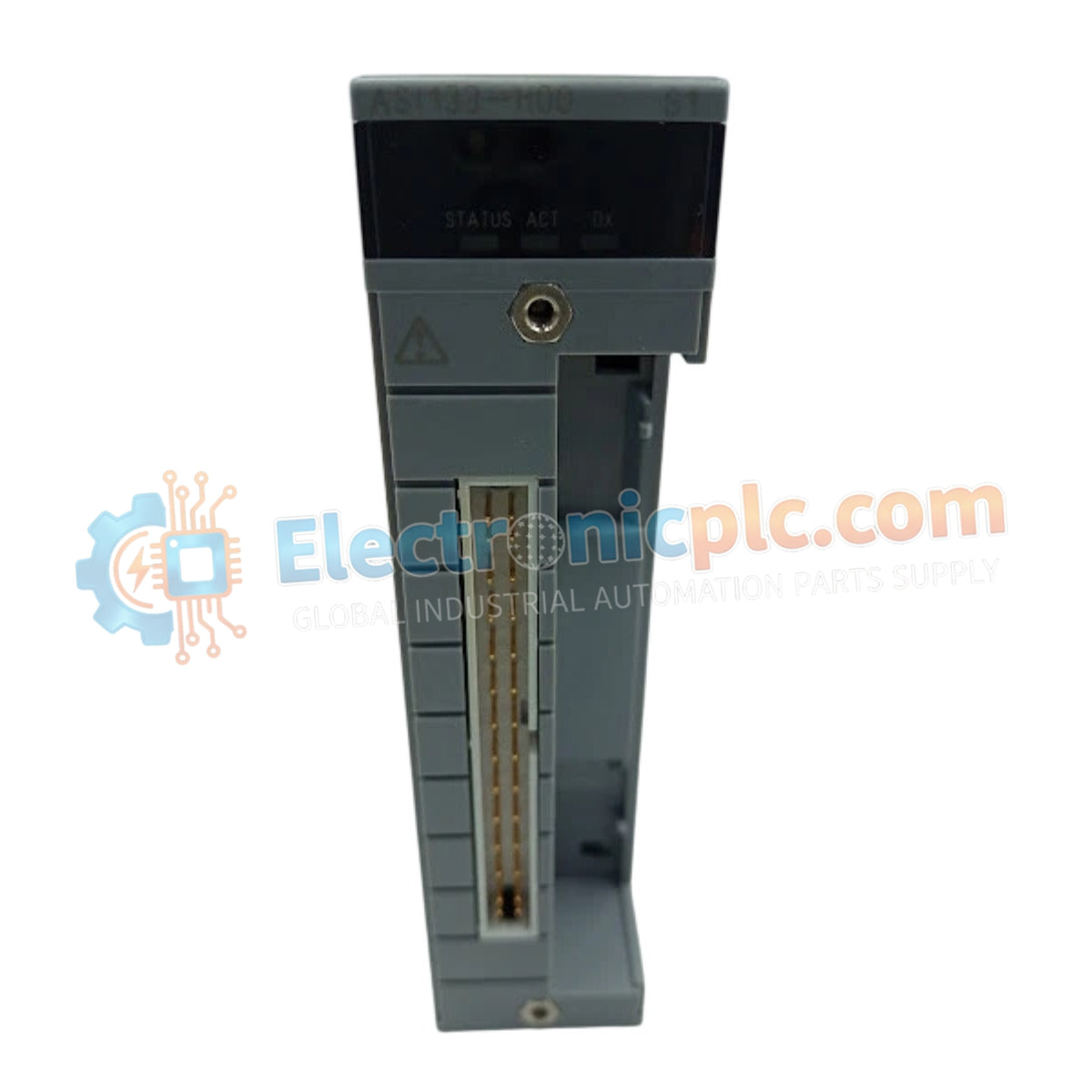
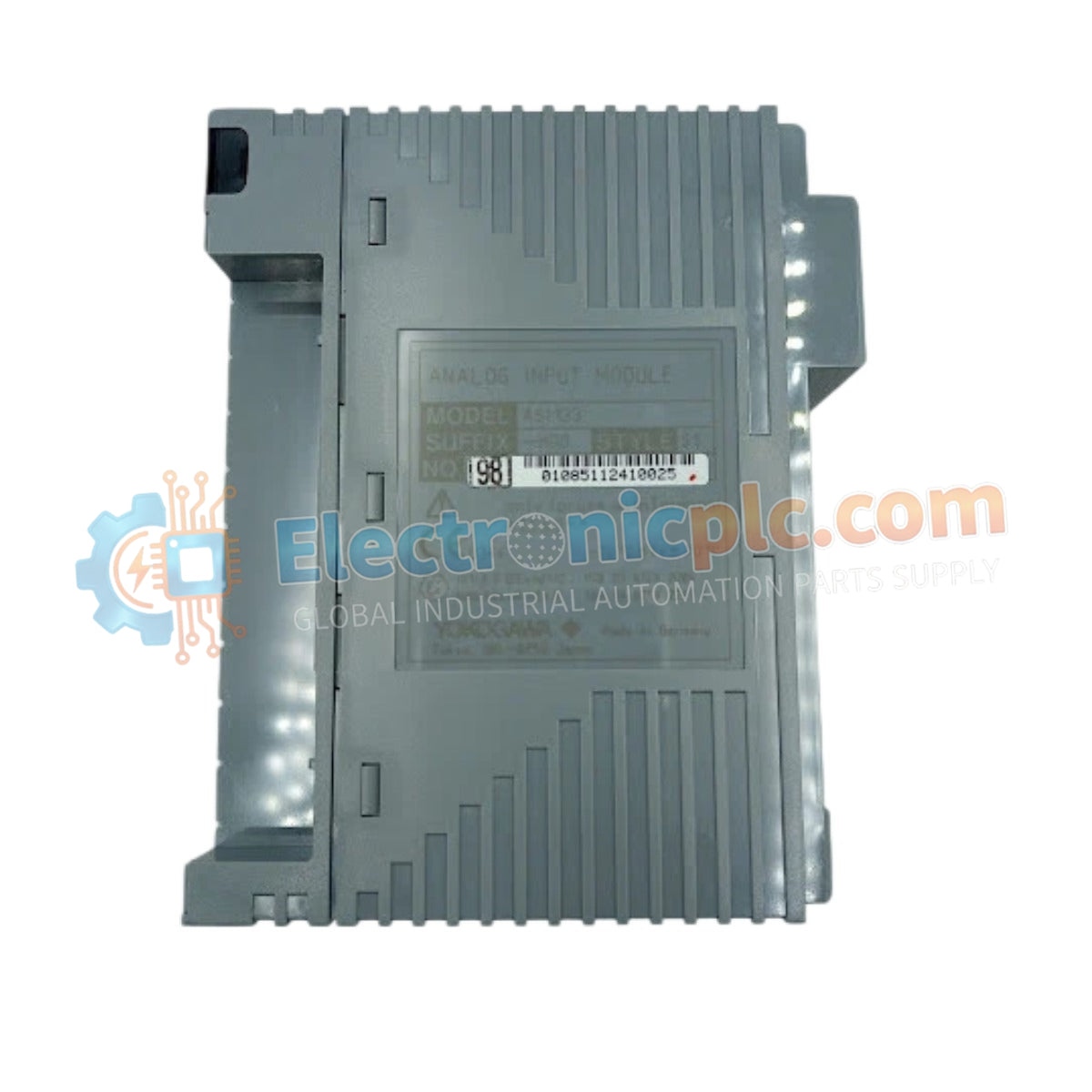
Configured for high-availability network integration, the Yokogawa BUS1 (BUS1) provides direct physical/electrical execution of multi-protocol communication and data arbitration across CENTUM VP, ProSafe-RS, and STARDOM platforms.

Hardware Specifications

...
17 يشاهد الناس هذا الآن

التوافرالكمية المتبقية: 99

رمز المنتج: BUS1
بائع: Yokogawa

الشحن والإرجاع

توصيل موثوق به في جميع أنحاء العالم

  • شركات الشحن: يتم الشحن عبر DHL أو FedEx أو UPS أو USPS .
  • الشحن: تتم معالجة الطلبات خلال يوم عمل واحد إلى يومين، ويتم شحنها خلال 3 إلى 5 أيام عمل .
  • التتبع: يتم توفير تفاصيل التتبع الكاملة عبر البريد الإلكتروني عند الشحن.

ضمان استرداد الأموال خلال 30 يومًا

  • الضمان: فترة إرجاع لمدة 30 يومًا للمنتجات المتوفرة في المخزون والمغلفة من المصنع.
  • الشروط: يجب أن تكون المنتجات غير مفتوحة وغير مستخدمة وفي عبوتها الأصلية.
  • الأصالة: نضمن أن تكون الأجهزة أصلية 100% .

هل تحتاج إلى مزيد من التفاصيل؟ اقرأ سياسة الشحن وسياسة الاسترداد الكاملة.

الأصالة والضمان

  • ضمان أصلي: نحن نوفر فقط قطع غيار أصلية 100%، جديدة تمامًا، ومغلقة من المصنع .
  • تغطية كاملة: كل مكون مدعوم بضمان شامل لمدة 12 شهرًا من تاريخ الشراء.
  • إمكانية التتبع: جميع المنتجات تأتي مع وثائق المصنع الأصلية والملحقات اللازمة للامتثال الكامل للمعايير الصناعية.

الدعم الفني والتوريد

  • مساعدة الخبراء: يقدم فريقنا الفني استشارات مجانية لمساعدتك في التحقق من التوافق مع أنظمة DCS و PLC.
  • مصادر القطع النادرة: متخصصون في المكونات القديمة والتي يصعب العثور عليها من Allen-Bradley و Siemens و ABB و HIMA وغيرها.
  • للاستفسارات المتعلقة بالكميات الكبيرة: تواصلوا معنا على pambo@5gplc.com للحصول على أسعار الكميات الكبيرة أو عروض أسعار المشاريع المخصصة.
عرض تفاصيل المنتج الكاملة

Configured for high-availability network integration, the Yokogawa BUS1 (BUS1) provides direct physical/electrical execution of multi-protocol communication and data arbitration across CENTUM VP, ProSafe-RS, and STARDOM platforms.

Hardware Specifications

Parameter Specification
Model BUS1
Brand Yokogawa
Origin Japan
Weight 1.0 kg
Operating Temp -20 to +60 deg C
Protocol Support Modbus, Profibus, Ethernet/IP, Vnet/IP, Proprietary
Data Rate Up to 12 Mbps
Redundancy Dual-channel fault-tolerant operation
Mounting Rack-mounted (I/O or Comm cabinet)

Network Connectivity and Redundancy Architecture

The BUS1 operates as a high-performance communication gateway, bridging disparate field and control network architectures. Its dual-channel redundancy design is critical for mission-critical industrial applications, allowing the system to maintain active data streams even if a primary communication path experiences failure. By supporting an array of industrial protocols (including PROFIBUS DP Master configurations for up to 124 devices per channel), the module enables centralized data acquisition and control command distribution, ensuring high-speed, deterministic performance in complex DCS environments.

Frequently Asked Questions

Q: Is the BUS1 module capable of managing mixed-protocol traffic simultaneously?

A: Yes, the BUS1 is designed to handle multi-protocol communication concurrently. Configuration for specific protocol parameters and device mapping is managed through the host system's Engineering Station and PRM software tools.

Q: How is SIL2 compliance maintained in safety-rated variants?

A: The SIL2-rated variants of the BUS1 incorporate specific hardware diagnostics and software-level data integrity checks (such as cyclic redundancy checks and watchdog timers) to ensure safe state transitions in the event of a communication failure within a ProSafe-RS environment.

Field Installation Guidelines

  1. Power down the rack backplane before inserting the BUS1 module to prevent electrical transients from affecting the communication bus or backplane circuitry.
  2. Ensure the module is securely seated in the rack and that the redundant communication cables are connected to both channels to enable the fault-tolerant switching feature.
  3. Utilize shielded, twisted-pair cabling for fieldbus connections, ensuring that shields are properly bonded to the cabinet's protective earth (PE) ground to minimize EMI.
  4. Verify that the GSD files and device configurations have been correctly imported into the engineering station before attempting to poll field devices.
  5. Perform a network health diagnostic check after commissioning to confirm that communication cycles meet the required latency and throughput specifications for the process control application.