انتقل إلى معلومات المنتج
1 ل 2

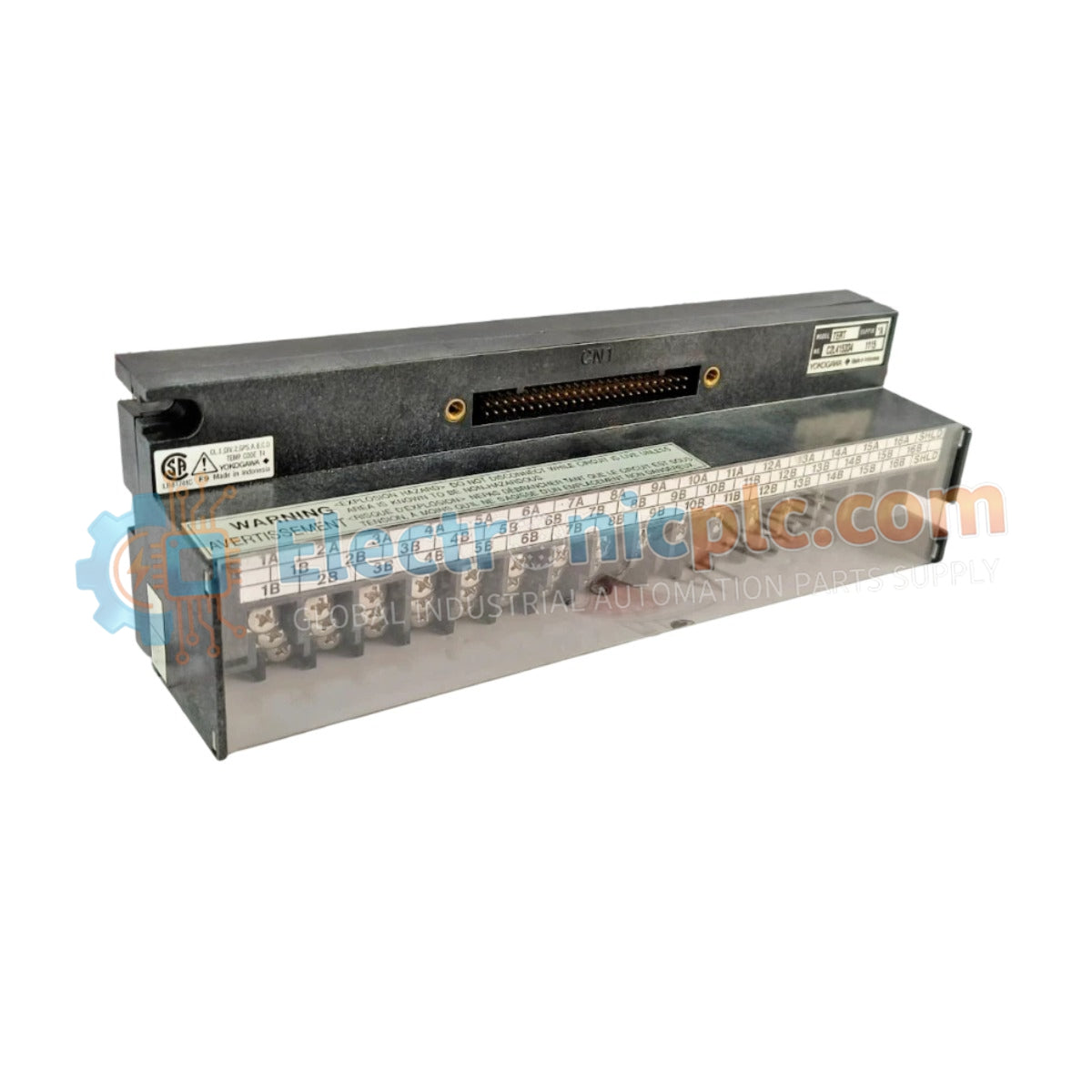
Coaxial Lightning Arrester Yokogawa TAS21

Coaxial Lightning Arrester Yokogawa TAS21

Configured for high-speed signal protection within industrial control networks, the Yokogawa TAS21 (TAS21 Coaxial Lightning Arrester) provides direct physical surge suppression for V net and ER bus platforms.

Hardware Specifications

...
17 يشاهد الناس هذا الآن

التوافرفي الأوراق المالية

رمز المنتج: TAS21
بائع: Yokogawa

الشحن والإرجاع

توصيل موثوق به في جميع أنحاء العالم

  • شركات الشحن: يتم الشحن عبر DHL أو FedEx أو UPS أو USPS .
  • الشحن: تتم معالجة الطلبات خلال يوم عمل واحد إلى يومين، ويتم شحنها خلال 3 إلى 5 أيام عمل .
  • التتبع: يتم توفير تفاصيل التتبع الكاملة عبر البريد الإلكتروني عند الشحن.

ضمان استرداد الأموال خلال 30 يومًا

  • الضمان: فترة إرجاع لمدة 30 يومًا للمنتجات المتوفرة في المخزون والمغلفة من المصنع.
  • الشروط: يجب أن تكون المنتجات غير مفتوحة وغير مستخدمة وفي عبوتها الأصلية.
  • الأصالة: نضمن أن تكون الأجهزة أصلية 100% .

هل تحتاج إلى مزيد من التفاصيل؟ اقرأ سياسة الشحن وسياسة الاسترداد الكاملة.

الأصالة والضمان

  • ضمان أصلي: نحن نوفر فقط قطع غيار أصلية 100%، جديدة تمامًا، ومغلقة من المصنع .
  • تغطية كاملة: كل مكون مدعوم بضمان شامل لمدة 12 شهرًا من تاريخ الشراء.
  • إمكانية التتبع: جميع المنتجات تأتي مع وثائق المصنع الأصلية والملحقات اللازمة للامتثال الكامل للمعايير الصناعية.

الدعم الفني والتوريد

  • مساعدة الخبراء: يقدم فريقنا الفني استشارات مجانية لمساعدتك في التحقق من التوافق مع أنظمة DCS و PLC.
  • مصادر القطع النادرة: متخصصون في المكونات القديمة والتي يصعب العثور عليها من Allen-Bradley و Siemens و ABB و HIMA وغيرها.
  • للاستفسارات المتعلقة بالكميات الكبيرة: تواصلوا معنا على pambo@5gplc.com للحصول على أسعار الكميات الكبيرة أو عروض أسعار المشاريع المخصصة.
عرض تفاصيل المنتج الكاملة

Configured for high-speed signal protection within industrial control networks, the Yokogawa TAS21 (TAS21 Coaxial Lightning Arrester) provides direct physical surge suppression for V net and ER bus platforms.

Hardware Specifications

Parameter Specification
Model TAS21
Brand Yokogawa
Origin japan
Weight 1.1kg
Dimensions Industrial metallic enclosure
Operating Temp Standard industrial range
Power Consumption Passive component
Impedance 50 Ohm
Frequency Range Up to 2.5 GHz
Discharge Capacity 10 kA per pulse
Insertion Loss < 0.2 dB

Industrial Network Connectivity and Surge Protection

The TAS21 is engineered to maintain low-latency data flow within Yokogawa CENTUM VP and ProSafe-RS architectures while providing critical transient voltage suppression. The arrester utilizes intrinsic safety (Ex i) barrier-compatible construction principles to ensure that high-energy surges, such as those induced by lightning strikes, are shunted to the system earth bus before reaching sensitive communication modules. The metallic enclosure provides robust electromagnetic interference (EMI) shielding, maintaining protocol integrity and preventing communication latencies that could otherwise destabilize deterministic V net or 10BASE-5 network segments.

Frequently Asked Questions

Q: Does the TAS21 require periodic replacement after a surge event?

A: While the device is rated for high discharge capacity, it should be tested for continuity and insertion loss after any significant surge event. If the device exhibits elevated resistance or increased attenuation, it must be replaced to ensure ongoing hardware protection.

Q: Can the arrester be installed in series with standard coaxial network cables?

A: Yes. The TAS21 is designed for insertion into the network path using standard N-type connectors. Ensure that the device is installed as close to the entry point of the communication line into the control cabinet as possible to maximize the protection of internal DCS components.

Field Installation Guidelines

  1. Inspect the N-type connectors for cleanliness before installation; ensure a firm, secure connection is achieved to maintain the 50 Ohm impedance path.
  2. Connect the dedicated grounding terminal to the cabinet earth busbar using a high-gauge, low-inductance copper conductor to minimize the surge return path resistance.
  3. Ensure the arrester is positioned such that the grounding conductor length is kept to a absolute minimum, as excessive inductance in the ground path will decrease the effectiveness of the surge diversion.
  4. Verify that the communication cable shields are correctly terminated and maintained throughout the network segment to prevent noise ingress that could interact with the arrester.
  5. Once installed, confirm network signal levels using appropriate diagnostic tools to verify that the insertion loss remains within the specified limits of < 0.2 dB.