
سلة التسوق الخاصة بي
0 عنصرًا
قطع غيار أصلية للأتمتة | توصيل سريع عالمي | ضمان لمدة 12 شهرًا — [احصل على عرض سعر]

تم تصميم Yokogawa ADM11/CE1 (وحدة إدخال التلامس ADM11) للحصول على إشارة عالية الدقة في منصات التحكم في العمليات، وهو يوفر تنفيذًا فيزيائيًا/كهربائيًا مباشرًا لتحويل الإشارات التناظرية متعددة التنسيقات عبر 8...
التوافر: في الأوراق المالية
توصيل موثوق به في جميع أنحاء العالم
ضمان استرداد الأموال خلال 30 يومًا
هل تحتاج إلى مزيد من التفاصيل؟ اقرأ سياسة الشحن وسياسة الاسترداد الكاملة.


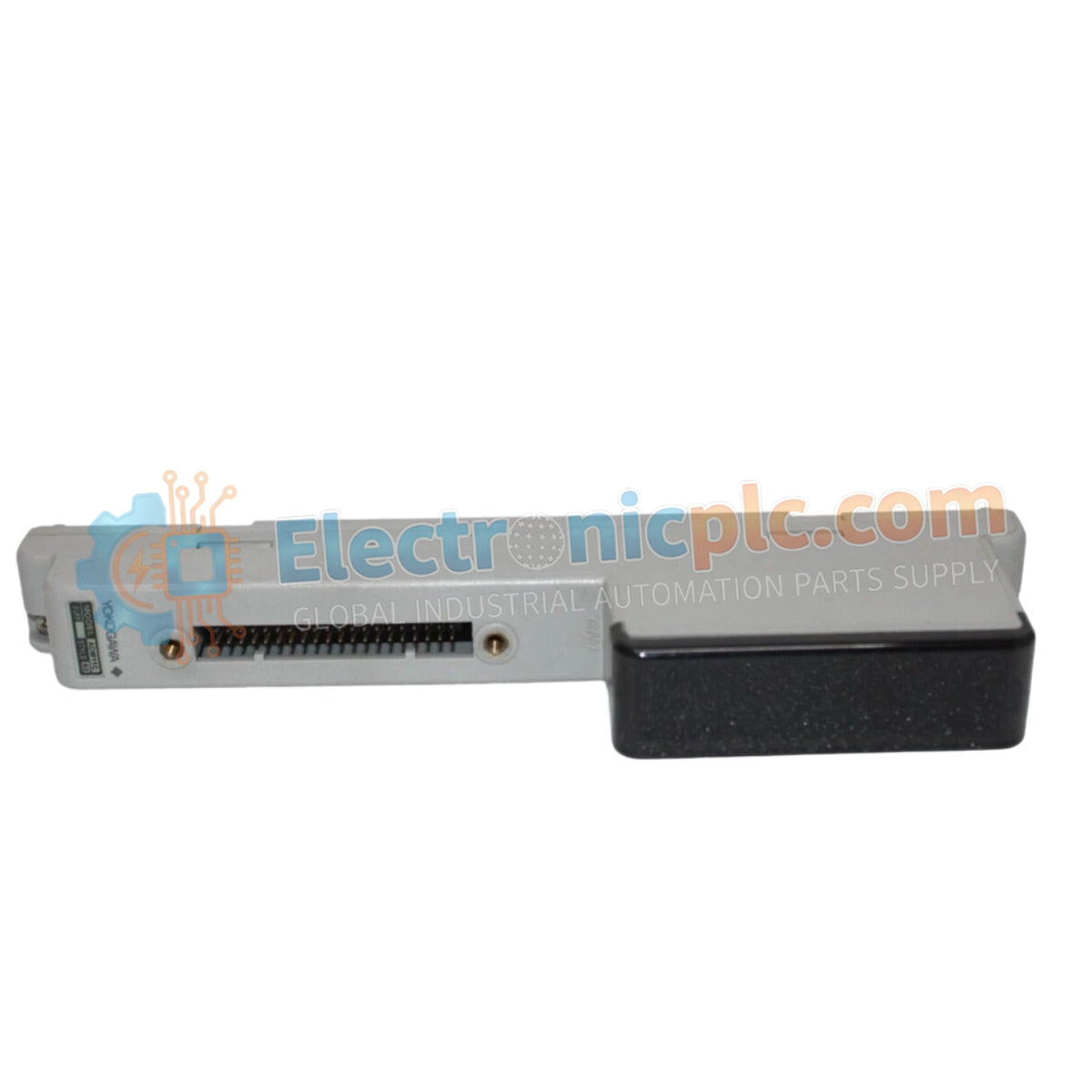
تم تصميم Yokogawa ADM11/CE1 (وحدة إدخال التلامس ADM11) للحصول على إشارة عالية الدقة في منصات التحكم في العمليات، وهو يوفر تنفيذًا فيزيائيًا/كهربائيًا مباشرًا لتحويل الإشارات التناظرية متعددة التنسيقات عبر 8 قنوات إدخال أحادية الطرف أو 4 قنوات تفاضلية.
| المعلمة | المواصفات |
|---|---|
| الموديل | ADM11/CE1 |
| العلامة التجارية | Yokogawa |
| المنشأ | اليابان |
| الوزن | 0.5 كجم |
| الأبعاد | الحجم القياسي لوحدة الإدخال/الإخراج لأنظمة التحكم الموزعة (DCS) |
| درجة حرارة التشغيل | -20 درجة مئوية إلى 60 درجة مئوية |
| استهلاك الطاقة | 24 فولت تيار مستمر (+/- 10%) |
| قنوات الإدخال | 8 أحادية الطرف أو 4 تفاضلية |
| أنواع الإدخال | الجهد، التيار، المزدوج الحراري، كاشف درجة الحرارة المقاوم (RTD)، المقاومة |
| الدقة | 16 بت |
| الدقة | +/- 0.05% من القراءة +/- 5 ميكروفولت |
| سرعة التحويل | 10 مللي ثانية/قناة (حد أقصى) |
يوفر ADM11/CE1 معالجة قوية للإشارة من خلال عزل مدمج من قناة إلى قناة ومن قناة إلى أرضي. يقلل هذا التصميم من حلقات الأرض والتداخل عند قياس الإشارات منخفضة المستوى مثل مدخلات المزدوجات الحرارية أو RTD. للحفاظ على دقة 16 بت المقدرة ودقة +/- 0.05%، تستخدم الوحدة رفض الوضع المشترك العالي (120 ديسيبل عند 50/60 هرتز) ورفض الوضع الطبيعي (60 ديسيبل عند 50/60 هرتز) لتصفية تداخل تردد الخط. للقياسات عالية الدقة لدرجة الحرارة، يجب على المستخدمين مراعاة متطلبات تعويض الوصلة الباردة (CJC) والتأكد من أن معاوقة الأسلاك الميدانية تظل ضمن النطاق المحدد للحفاظ على سلامة حلقة القياس.
س: هل يمكن تغيير تهيئة الإدخال عبر البرنامج أثناء نشاط الوحدة؟
ج: لا. يجب تحديد تهيئة القناة (أحادي الطرف مقابل تفاضلي) أثناء بدء تشغيل النظام الأولي وتجميع ملف المشروع. يتطلب تغيير أوضاع الإدخال إعادة تشغيل الوحدة وتحديث قاعدة بيانات التهيئة.
س: هل هذه الوحدة قادرة على الحفاظ على دقة الإشارة إذا fluctuated مصدر الطاقة 24 فولت تيار مستمر بأكثر من 10%؟
ج: لا. تشغيل الوحدة خارج نطاق 24 فولت تيار مستمر (+/- 10%) المحدد يمكن أن يتسبب في عدم استقرار في المراجع الجهدية الداخلية، مما يؤدي إلى انحراف في القياس يتجاوز حد الدقة المحدد +/- 0.05%.


