انتقل إلى معلومات المنتج
1 ل 3

CP334D Yokogawa Central Processor | New & Original Stock

CP334D Yokogawa Central Processor | New & Original Stock

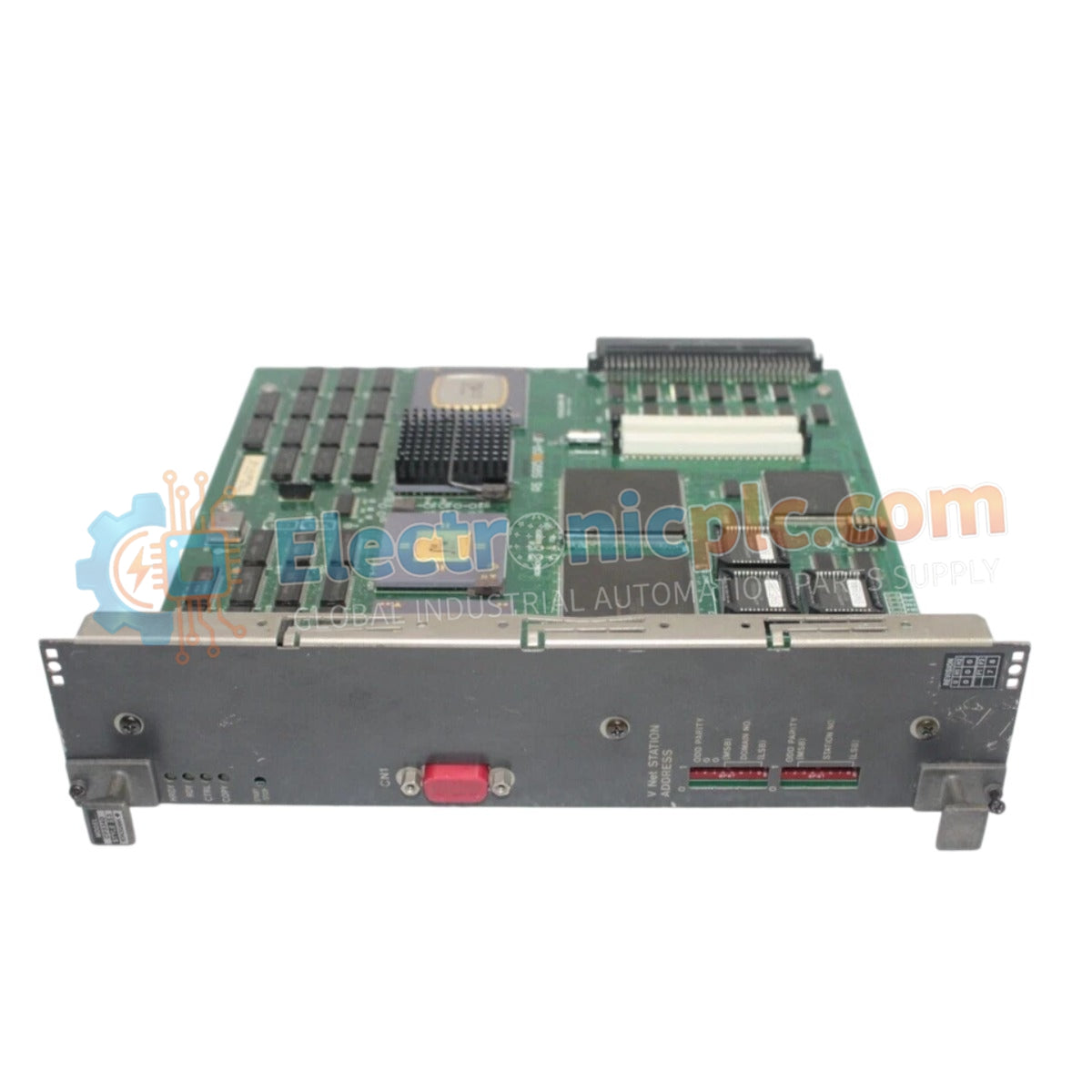
The Yokogawa CP334D (CP334D Central Processor) serves as the primary CP334D control component utilized to execute real-time logic, process calculations, and V-net communication across Centum CS and Centum VP distributed...

26 يشاهد الناس هذا الآن

التوافرالكمية المتبقية: 99

رمز المنتج: CP334D
بائع: Yokogawa
Related Series:

الشحن والإرجاع

توصيل موثوق به في جميع أنحاء العالم

  • شركات الشحن: يتم الشحن عبر DHL أو FedEx أو UPS أو USPS .
  • الشحن: تتم معالجة الطلبات خلال يوم عمل واحد إلى يومين، ويتم شحنها خلال 3 إلى 5 أيام عمل .
  • التتبع: يتم توفير تفاصيل التتبع الكاملة عبر البريد الإلكتروني عند الشحن.

ضمان استرداد الأموال خلال 30 يومًا

  • الضمان: فترة إرجاع لمدة 30 يومًا للمنتجات المتوفرة في المخزون والمغلفة من المصنع.
  • الشروط: يجب أن تكون المنتجات غير مفتوحة وغير مستخدمة وفي عبوتها الأصلية.
  • الأصالة: نضمن أن تكون الأجهزة أصلية 100% .

هل تحتاج إلى مزيد من التفاصيل؟ اقرأ سياسة الشحن وسياسة الاسترداد الكاملة.

الأصالة والضمان

  • ضمان أصلي: نحن نوفر فقط قطع غيار أصلية 100%، جديدة تمامًا، ومغلقة من المصنع .
  • تغطية كاملة: كل مكون مدعوم بضمان شامل لمدة 12 شهرًا من تاريخ الشراء.
  • إمكانية التتبع: جميع المنتجات تأتي مع وثائق المصنع الأصلية والملحقات اللازمة للامتثال الكامل للمعايير الصناعية.

الدعم الفني والتوريد

  • مساعدة الخبراء: يقدم فريقنا الفني استشارات مجانية لمساعدتك في التحقق من التوافق مع أنظمة DCS و PLC.
  • مصادر القطع النادرة: متخصصون في المكونات القديمة والتي يصعب العثور عليها من Allen-Bradley و Siemens و ABB و HIMA وغيرها.
  • للاستفسارات المتعلقة بالكميات الكبيرة: تواصلوا معنا على pambo@5gplc.com للحصول على أسعار الكميات الكبيرة أو عروض أسعار المشاريع المخصصة.
عرض تفاصيل المنتج الكاملة

The Yokogawa CP334D (CP334D Central Processor) serves as the primary CP334D control component utilized to execute real-time logic, process calculations, and V-net communication across Centum CS and Centum VP distributed control system (DCS) platforms.

Hardware Specifications

Parameter Specification
Model CP334D
Brand Yokogawa
Origin Japan
Weight 1.4 kg
Dimensions 7.6 cm x 27.9 cm x 25.4 cm
Operating Temp 5 deg C to 40 deg C
Power Consumption Standard Field Control Unit (FCU) load
Architecture 32-bit RISC processing

Process Control and System Integration

The CP334D functions as the core processing engine within the Field Control Unit (FCU). It manages the execution of control algorithms, sequence logic, and data acquisition from connected I/O modules. The processor maintains high-speed synchronization with redundant controllers in dual-processor configurations to ensure seamless failover and data consistency. Its architecture is optimized for the deterministic timing requirements of industrial process loops, supporting advanced regulatory control functions and communication overhead for integrated plant networks.

Frequently Asked Questions (FAQ)

Q: Is the CP334D compatible with hot-swapping procedures?

A: Yes, in redundant control configurations, the CP334D supports hot-replacement of the standby processor. Always ensure the primary processor is healthy and synchronized before extracting or inserting a module to prevent system-wide communication disturbances.

Q: How should I handle a firmware mismatch between redundant CP334D processors?

A: Firmware versions must be identical to maintain reliable synchronization. If a mismatch is detected, the system will prevent the standby unit from joining the active control loop. Update the firmware of the standby unit through the control station engineering interface to match the primary unit.

Field Installation Guidelines

  • Verify the processor slot on the FCU backplane is free of dust or metallic particles before installation to prevent communication bus faults.
  • Ensure the locking mechanism is securely fastened; the CP334D weight (1.4 kg) requires firm mechanical support to maintain contact with the backplane bus during high-vibration conditions.
  • Use the system maintenance terminal to clear diagnostic logs and verify the "Master/Standby" state of the processor pair immediately after hardware replacement.
  • Maintain a stable environment within the control cabinet; the processor heat output necessitates consistent airflow, so avoid obstructing the cooling channels on the module housing.