انتقل إلى معلومات المنتج
1 ل 3

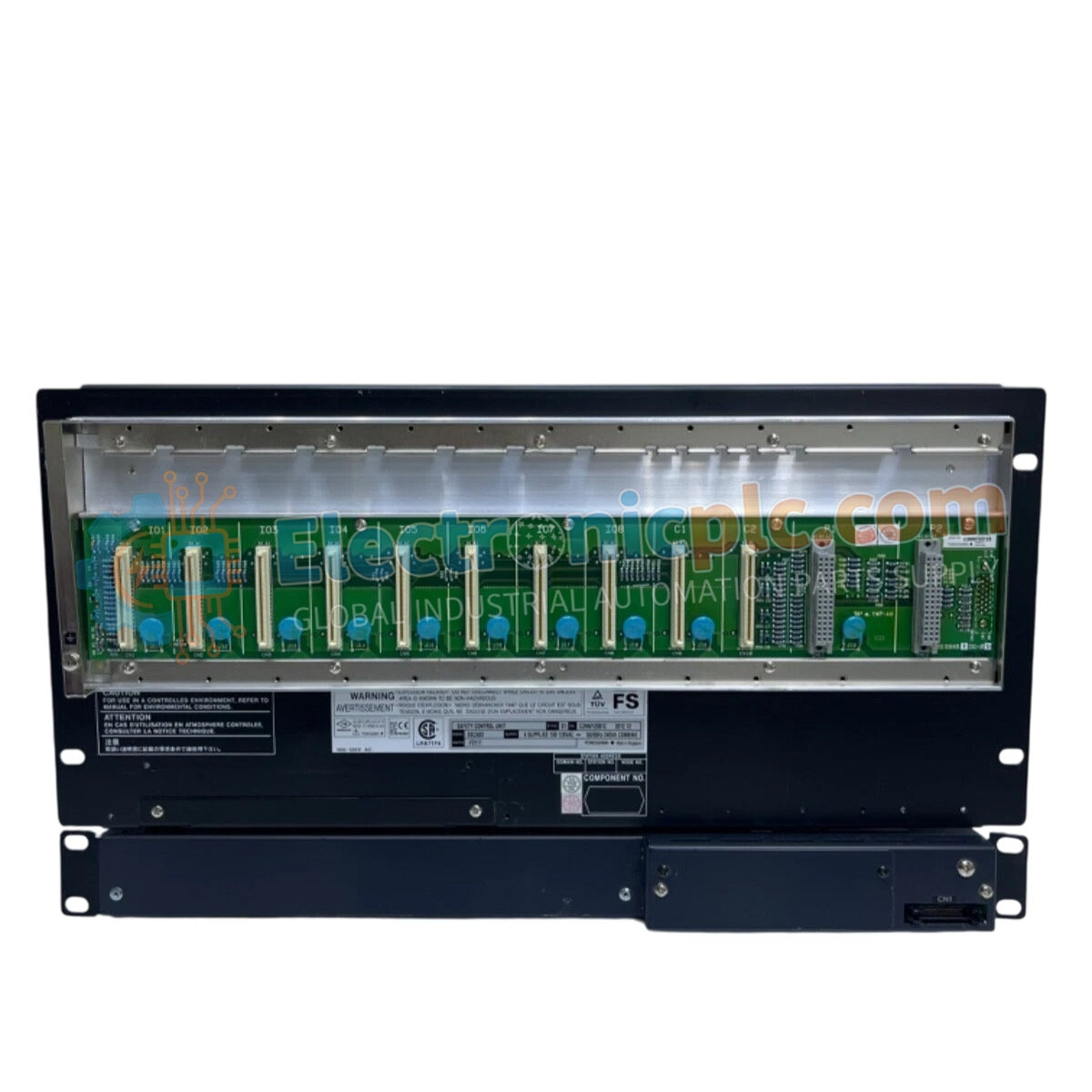
Duplexed Safety Control Unit YOKOGAWA SSC50D-F2121

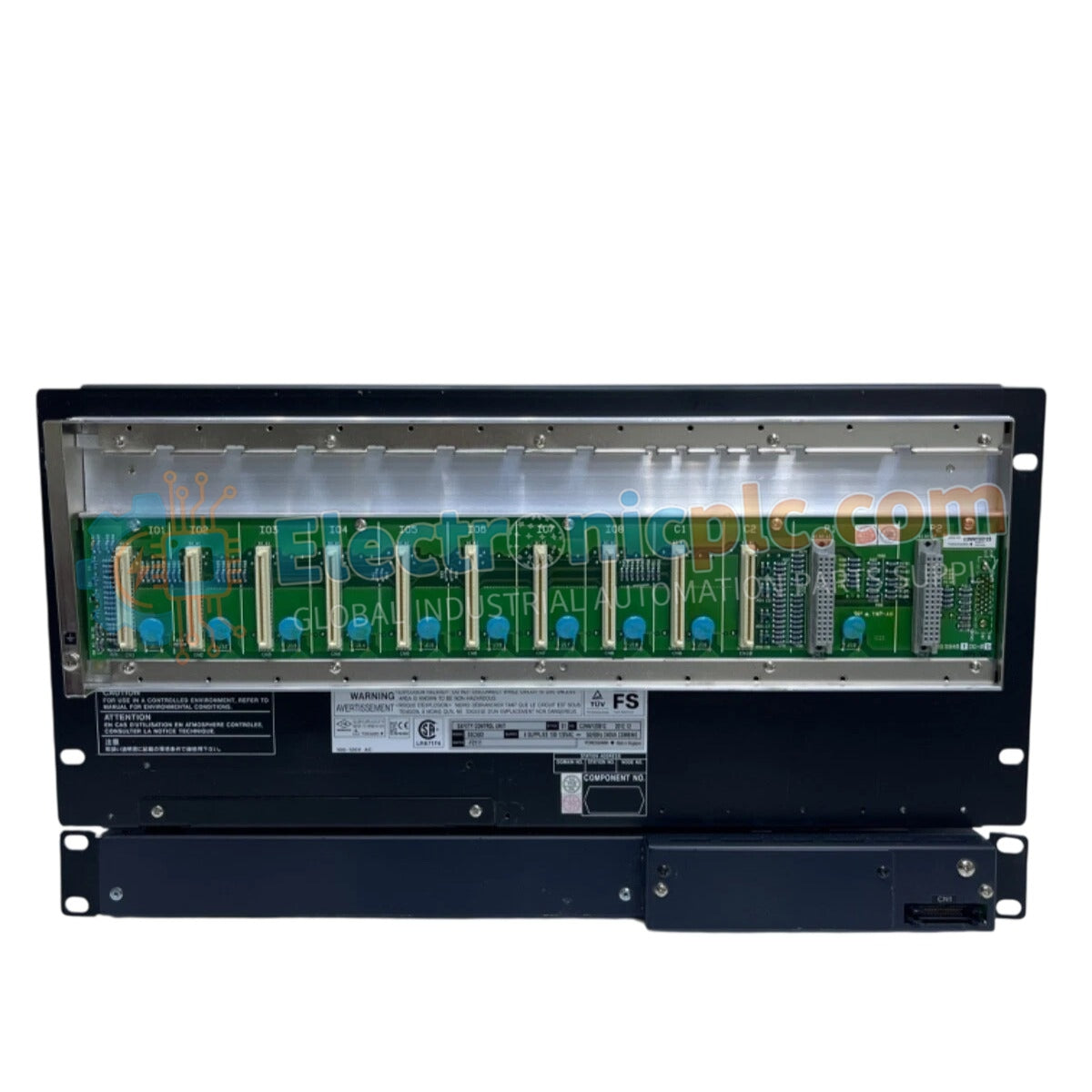
Duplexed Safety Control Unit YOKOGAWA SSC50D-F2121

The YOKOGAWA SSC50D-F2121, also cataloged as the SSC50D Safety Control Unit, operates as a dedicated hardware component for high-integrity logic execution within ProSafe-RS Safety Instrumented System (SIS) platforms.

Hardware Specifications

...
28 يشاهد الناس هذا الآن

التوافرفي الأوراق المالية

رمز المنتج: SSC50D-F2121
بائع: Yokogawa

الشحن والإرجاع

توصيل موثوق به في جميع أنحاء العالم

  • شركات الشحن: يتم الشحن عبر DHL أو FedEx أو UPS أو USPS .
  • الشحن: تتم معالجة الطلبات خلال يوم عمل واحد إلى يومين، ويتم شحنها خلال 3 إلى 5 أيام عمل .
  • التتبع: يتم توفير تفاصيل التتبع الكاملة عبر البريد الإلكتروني عند الشحن.

ضمان استرداد الأموال خلال 30 يومًا

  • الضمان: فترة إرجاع لمدة 30 يومًا للمنتجات المتوفرة في المخزون والمغلفة من المصنع.
  • الشروط: يجب أن تكون المنتجات غير مفتوحة وغير مستخدمة وفي عبوتها الأصلية.
  • الأصالة: نضمن أن تكون الأجهزة أصلية 100% .

هل تحتاج إلى مزيد من التفاصيل؟ اقرأ سياسة الشحن وسياسة الاسترداد الكاملة.

الأصالة والضمان

  • ضمان أصلي: نحن نوفر فقط قطع غيار أصلية 100%، جديدة تمامًا، ومغلقة من المصنع .
  • تغطية كاملة: كل مكون مدعوم بضمان شامل لمدة 12 شهرًا من تاريخ الشراء.
  • إمكانية التتبع: جميع المنتجات تأتي مع وثائق المصنع الأصلية والملحقات اللازمة للامتثال الكامل للمعايير الصناعية.

الدعم الفني والتوريد

  • مساعدة الخبراء: يقدم فريقنا الفني استشارات مجانية لمساعدتك في التحقق من التوافق مع أنظمة DCS و PLC.
  • مصادر القطع النادرة: متخصصون في المكونات القديمة والتي يصعب العثور عليها من Allen-Bradley و Siemens و ABB و HIMA وغيرها.
  • للاستفسارات المتعلقة بالكميات الكبيرة: تواصلوا معنا على pambo@5gplc.com للحصول على أسعار الكميات الكبيرة أو عروض أسعار المشاريع المخصصة.
عرض تفاصيل المنتج الكاملة

The YOKOGAWA SSC50D-F2121, also cataloged as the SSC50D Safety Control Unit, operates as a dedicated hardware component for high-integrity logic execution within ProSafe-RS Safety Instrumented System (SIS) platforms.

Hardware Specifications

Parameter Specification
Model SSC50D-F2121
Brand YOKOGAWA
Origin japan
Weight 1 kg
Dimensions 10.3 cm x 5.1 cm x 5.4 cm
Operating Temp 0 deg C to 50 deg C
Power Consumption Not specified (Redundant SIS Bus)
Architecture Duplexed (Redundant)
Safety Compliance SIL3 compatible (ProSafe-RS)

Triple Modular Redundancy (TMR) and Fail-Safe State Execution

The SSC50D-F2121 is engineered for critical safety loops requiring TMR or duplexed redundancy to ensure continuous process protection. The control unit performs internal diagnostic synchronization, comparing inputs between redundant processing channels to detect discrepancies in real-time. In the event of a internal hardware fault or a loss of process data integrity, the unit triggers a fail-safe state execution, driving final control elements (such as emergency shutdown valves) to their predefined safe position. This architecture mitigates the risk of spurious trips while maintaining strict adherence to SIL3 safety requirements.

Frequently Asked Questions

Q: How is the duplexed synchronization managed during normal operation?

A: The two controller modules exchange heartbeat and status data across a dedicated high-speed synchronization bus. This ensures that both units maintain an identical process image, allowing for bumpless switchover in the event of a primary processor fault.

Q: Can the unit be configured for online configuration changes?

A: Yes, the duplexed architecture allows for limited online modifications to the control logic, provided the system is in a permitted state. However, major logic changes require the system to be placed in a maintenance or bypass mode to comply with site safety standards.

Field Installation Guidelines

  1. Mount the unit in a clean, grounded control cabinet specifically designated for SIS hardware to avoid interference from non-safety-rated signals.
  2. Verify that the backplane connections are free of oxidation before seating the unit to ensure low-resistance communication paths for the synchronization bus.
  3. Terminate all redundant power and communication cables according to the system wiring diagrams, using labeled ferrules to maintain traceability.
  4. Perform an internal diagnostic self-test via the engineering workstation upon power-up to confirm that both processor channels are synchronized and in a "Healthy" state.
  5. Bond the chassis to the cabinet’s protective earth bus using a high-conductivity braided strap to minimize potential differences between the controller and the process ground.