
سلة التسوق الخاصة بي
0 عنصرًا
قطع غيار أصلية للأتمتة | توصيل سريع عالمي | ضمان لمدة 12 شهرًا — [احصل على عرض سعر]

تم تكوين YOKOGAWA SSC50D-S2121 S1 (وحدة التحكم بالسلامة SSC50D) لأجهزة السلامة عالية الموثوقية في أنظمة ProSafe-RS، ويوفر هذا الجهاز التنفيذ المادي المباشر للمنطق ومراقبة العمليات المصنفة SIL3.
التوافر: في الأوراق المالية
توصيل موثوق به في جميع أنحاء العالم
ضمان استرداد الأموال خلال 30 يومًا
هل تحتاج إلى مزيد من التفاصيل؟ اقرأ سياسة الشحن وسياسة الاسترداد الكاملة.
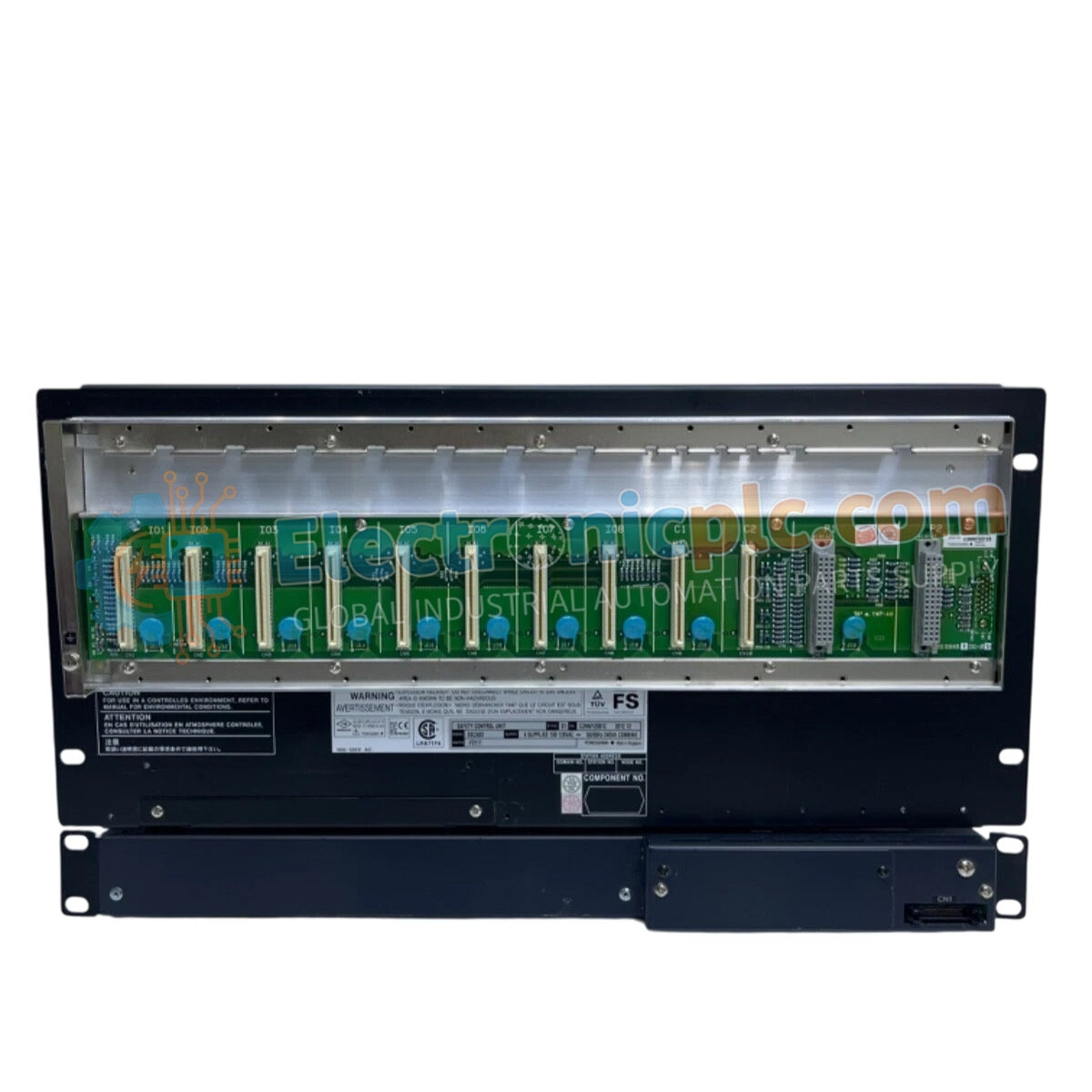

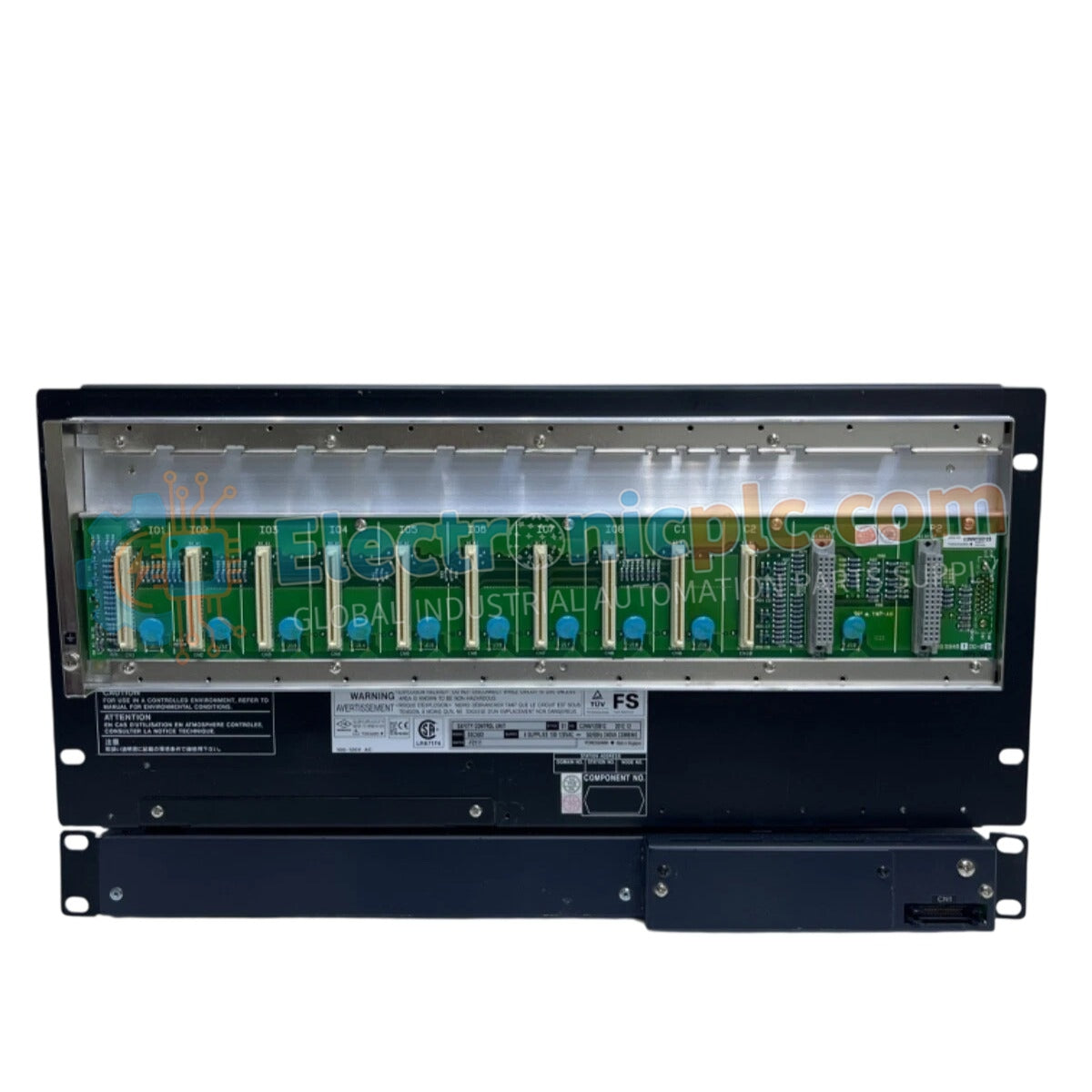
تم تكوين YOKOGAWA SSC50D-S2121 S1 (وحدة التحكم بالسلامة SSC50D) لأجهزة السلامة عالية الموثوقية في أنظمة ProSafe-RS، ويوفر هذا الجهاز التنفيذ المادي المباشر للمنطق ومراقبة العمليات المصنفة SIL3.
يتبع SSC50D-S2121 S1 مصفوفة مراجعة وتكوين أجهزة محددة. يشير مُعيِّن -S2121 إلى تكوين المعالج المزدوج المحدد والمحسّن للتشغيل المتسامح مع الأخطاء، بينما يشير لاحقة S1 إلى تكرار الأجهزة الأساسية المتوافقة مع معايير التحكم الحساسة للسلامة.
| المعلمة | المواصفة |
|---|---|
| النموذج | SSC50D-S2121 S1 |
| العلامة التجارية | YOKOGAWA |
| المنشأ | اليابان |
| الوزن | 1 كجم |
| الأبعاد | 10.3 سم × 5.1 سم × 5.4 سم |
| درجة حرارة التشغيل | 0 درجة مئوية إلى 50 درجة مئوية |
| استهلاك الطاقة | 24 فولت تيار مستمر اسمي |
| نوع الوحدة | وحدة تحكم بالسلامة مزدوجة |
| سلامة التكامل | مصنفة SIL3 |
تم تصميم SSC50D-S2121 S1 لدعم منطق التصويت ثلاثي الوحدات المتكرر (TMR) 2 من 3 (اثنين من ثلاثة) ضمن منصة ProSafe-RS. تضمن هذه البنية أن وحدة التحكم في السلامة يمكنها اكتشاف الأخطاء الداخلية وعزلها دون مقاطعة وظيفة سلامة العملية. في حالة حدوث عطل حرج في النظام أو اكتشاف شذوذ، تبدأ الوحدة في تنفيذ حالة الفشل الآمن، مما يدفع جميع مخرجات السلامة إلى حالة آمنة محددة مسبقًا. هذه الآلية مطلوبة للحفاظ على الاستقرار التشغيلي وتقليل مخاطر مخاطر العملية في أنظمة الأجهزة الآمنة (SIS).
س: هل يمكن استخدام SSC50D-S2121 S1 في تكوين بسيط؟
ج: تم تصميم SSC50D-S2121 خصيصًا للتشغيل المزدوج/المتكرر. قد يؤدي استخدامه خارج تكوينه الآمن المتكرر المقصود إلى انتهاك متطلبات شهادة SIL3 لنظام الأجهزة الآمنة.
س: كيف تتعامل الوحدة مع التشخيصات في زوج متكرر؟
ج: تتصل الوحدات عبر رابط مخصص عالي السرعة لمزامنة بيانات السلامة وإجراء مقارنات تشخيصية عبر القنوات. تؤدي الاختلافات بين الوحدتين إلى إطلاق إنذار خطأ، مما يسمح بالصيانة الآمنة دون التسبب في تعثر عملية زائف.


