انتقل إلى معلومات المنتج
1 ل 3

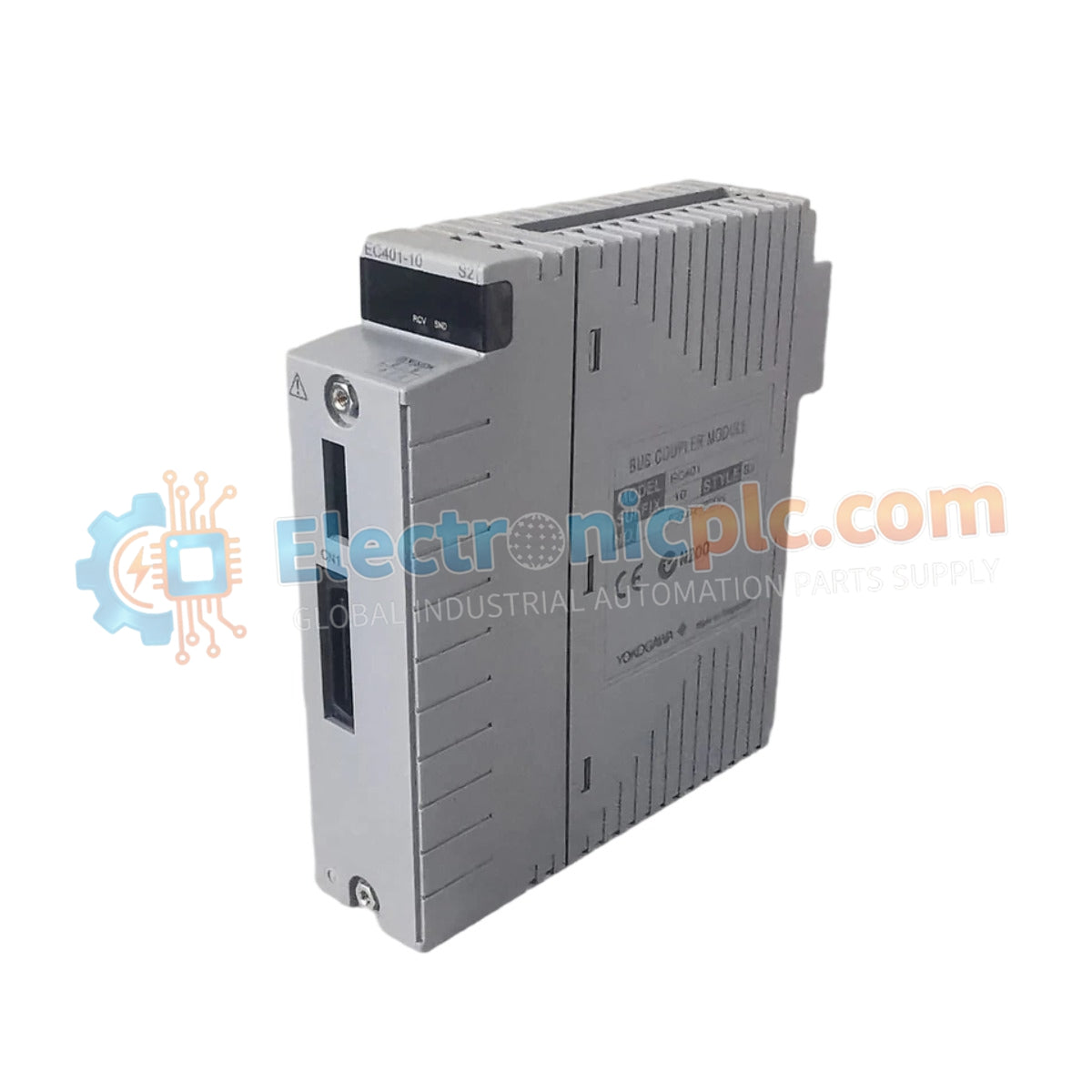
EC401-10S2 YOKOGAWA Bus Coupler Module | New & Original Stock

EC401-10S2 YOKOGAWA Bus Coupler Module | New & Original Stock

Engineered for high-integrity data orchestration within Yokogawa distributed control architectures, the YOKOGAWA EC401-10 S2 (EC401-10 S2) serves as a critical interface for the Extended Synchronous Bus (ESB). This bus coupler...

29 يشاهد الناس هذا الآن

التوافرالكمية المتبقية: 99

رمز المنتج: EC401-10S2
بائع: Yokogawa
Related Series:

الشحن والإرجاع

توصيل موثوق به في جميع أنحاء العالم

  • شركات الشحن: يتم الشحن عبر DHL أو FedEx أو UPS أو USPS .
  • الشحن: تتم معالجة الطلبات خلال يوم عمل واحد إلى يومين، ويتم شحنها خلال 3 إلى 5 أيام عمل .
  • التتبع: يتم توفير تفاصيل التتبع الكاملة عبر البريد الإلكتروني عند الشحن.

ضمان استرداد الأموال خلال 30 يومًا

  • الضمان: فترة إرجاع لمدة 30 يومًا للمنتجات المتوفرة في المخزون والمغلفة من المصنع.
  • الشروط: يجب أن تكون المنتجات غير مفتوحة وغير مستخدمة وفي عبوتها الأصلية.
  • الأصالة: نضمن أن تكون الأجهزة أصلية 100% .

هل تحتاج إلى مزيد من التفاصيل؟ اقرأ سياسة الشحن وسياسة الاسترداد الكاملة.

الأصالة والضمان

  • ضمان أصلي: نحن نوفر فقط قطع غيار أصلية 100%، جديدة تمامًا، ومغلقة من المصنع .
  • تغطية كاملة: كل مكون مدعوم بضمان شامل لمدة 12 شهرًا من تاريخ الشراء.
  • إمكانية التتبع: جميع المنتجات تأتي مع وثائق المصنع الأصلية والملحقات اللازمة للامتثال الكامل للمعايير الصناعية.

الدعم الفني والتوريد

  • مساعدة الخبراء: يقدم فريقنا الفني استشارات مجانية لمساعدتك في التحقق من التوافق مع أنظمة DCS و PLC.
  • مصادر القطع النادرة: متخصصون في المكونات القديمة والتي يصعب العثور عليها من Allen-Bradley و Siemens و ABB و HIMA وغيرها.
  • للاستفسارات المتعلقة بالكميات الكبيرة: تواصلوا معنا على pambo@5gplc.com للحصول على أسعار الكميات الكبيرة أو عروض أسعار المشاريع المخصصة.
عرض تفاصيل المنتج الكاملة

Engineered for high-integrity data orchestration within Yokogawa distributed control architectures, the YOKOGAWA EC401-10 S2 (EC401-10 S2) serves as a critical interface for the Extended Synchronous Bus (ESB). This bus coupler module facilitates deterministic communication between Field Control Units (FCUs) and associated I/O node units, ensuring stable and reliable data exchange in demanding industrial automation environments.

Suffix Breakdown & Model Matrix

  • EC401: Base model identifier for the ESB Bus Coupler Module.
  • -10: Specifies the hardware version and bus configuration.
  • S2: Denotes the revision variant, often indicating specific compliance or standard manufacturing updates.

Hardware Specifications

Parameter Specification
Model EC401-10 S2
Brand Yokogawa
Weight 0.3 kg
Dimensions 102 mm x 60 mm x 18 mm
Origin Japan
Function ESB Bus coupling and signal synchronization
Compatibility CENTUM series / FIO systems

Process Control Communication Integrity

The EC401-10 S2 acts as the primary physical bridge for the ESB network. By managing signal distribution between the controller and remote I/O nodes, it minimizes data latency and packet loss. This hardware is essential for maintaining the real-time requirements of process control loops, ensuring that sensor data and command signals are synchronized across the entire DCS architecture.

Frequently Asked Questions

Q: What are the primary differences between the EC401-10 and other EC series modules?

A: Variations in the suffix codes, such as the -10 S2, typically reflect differences in board-level firmware or component revisions intended for specific system architectures or regional standards. Always verify the part number against your existing control unit's documentation to ensure hardware compatibility.

Q: Is the module hot-swappable?

A: While the module is designed for modularity, refer to the specific Yokogawa system maintenance manual for your controller generation. Generally, power isolation is recommended prior to module removal to protect backplane logic.

Field Installation Guidelines

  • Inspection: Verify that backplane connector pins are free of debris or oxidation before insertion to prevent intermittent communication failures.
  • Mounting: Secure the module firmly using the chassis retention screws to ensure a proper ground bond, which is critical for signal reference stability.
  • Environmental Control: Keep the module within the standard industrial temperature range and ensure adequate ventilation within the control cabinet.
  • Cabling: Route signal cabling through dedicated conduits, keeping it segregated from high-voltage power lines to mitigate electromagnetic interference (EMI).
  • Validation: Perform a bus diagnostic check via the DCS engineering station immediately upon installation to confirm that the node status is healthy and communication timing meets nominal parameters.