انتقل إلى معلومات المنتج
1 ل 3

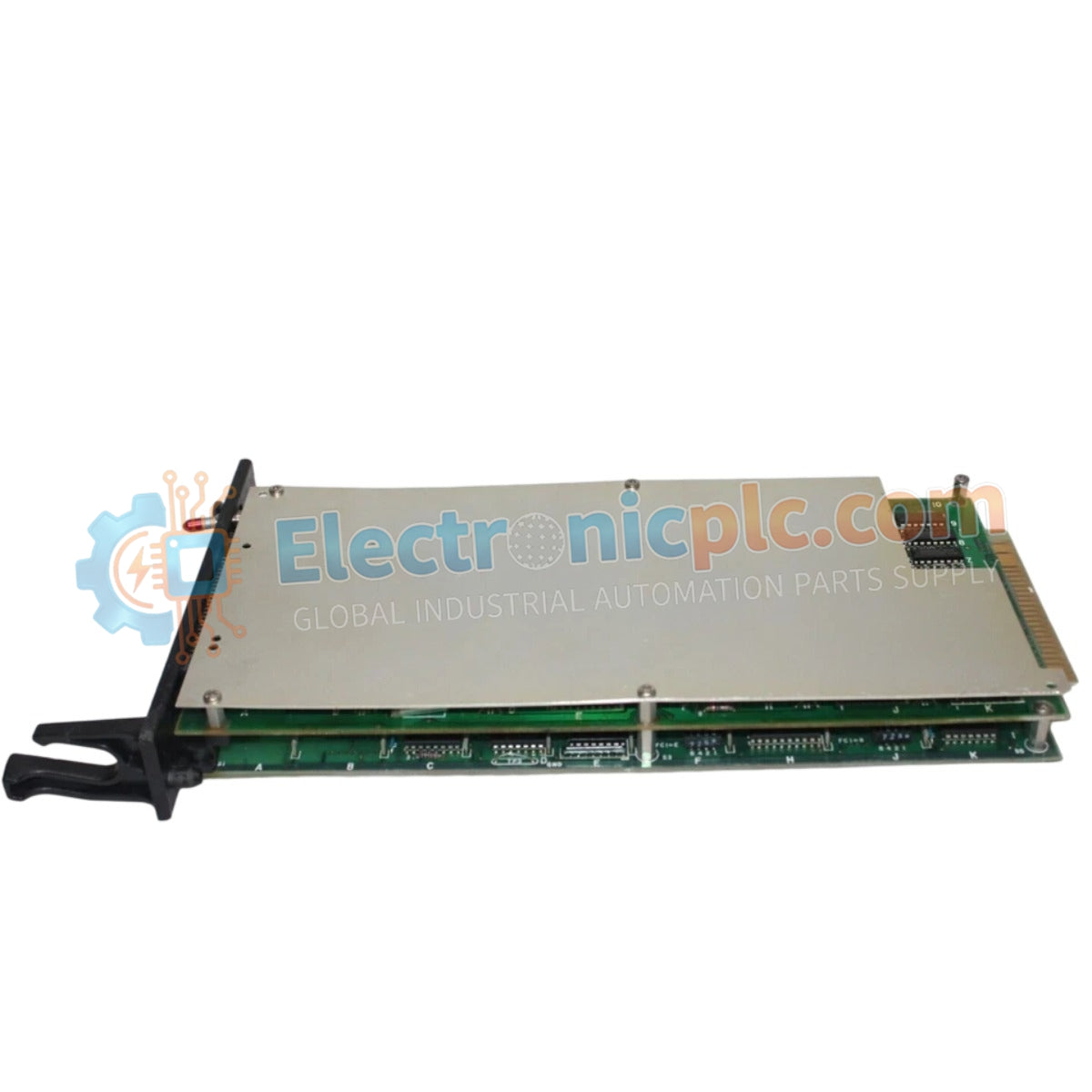
FC1*C Yokogawa Interface Module Card | New & Original Stock

FC1*C Yokogawa Interface Module Card | New & Original Stock

The Yokogawa FC1*C (often referenced as part of the Field Control Station interface series) acts as a high-speed communication and signal processing module. It serves as a vital link between...

16 يشاهد الناس هذا الآن

التوافرالكمية المتبقية: 99

رمز المنتج: FC1*C
بائع: Yokogawa
Related Series:

الشحن والإرجاع

توصيل موثوق به في جميع أنحاء العالم

  • شركات الشحن: يتم الشحن عبر DHL أو FedEx أو UPS أو USPS .
  • الشحن: تتم معالجة الطلبات خلال يوم عمل واحد إلى يومين، ويتم شحنها خلال 3 إلى 5 أيام عمل .
  • التتبع: يتم توفير تفاصيل التتبع الكاملة عبر البريد الإلكتروني عند الشحن.

ضمان استرداد الأموال خلال 30 يومًا

  • الضمان: فترة إرجاع لمدة 30 يومًا للمنتجات المتوفرة في المخزون والمغلفة من المصنع.
  • الشروط: يجب أن تكون المنتجات غير مفتوحة وغير مستخدمة وفي عبوتها الأصلية.
  • الأصالة: نضمن أن تكون الأجهزة أصلية 100% .

هل تحتاج إلى مزيد من التفاصيل؟ اقرأ سياسة الشحن وسياسة الاسترداد الكاملة.

الأصالة والضمان

  • ضمان أصلي: نحن نوفر فقط قطع غيار أصلية 100%، جديدة تمامًا، ومغلقة من المصنع .
  • تغطية كاملة: كل مكون مدعوم بضمان شامل لمدة 12 شهرًا من تاريخ الشراء.
  • إمكانية التتبع: جميع المنتجات تأتي مع وثائق المصنع الأصلية والملحقات اللازمة للامتثال الكامل للمعايير الصناعية.

الدعم الفني والتوريد

  • مساعدة الخبراء: يقدم فريقنا الفني استشارات مجانية لمساعدتك في التحقق من التوافق مع أنظمة DCS و PLC.
  • مصادر القطع النادرة: متخصصون في المكونات القديمة والتي يصعب العثور عليها من Allen-Bradley و Siemens و ABB و HIMA وغيرها.
  • للاستفسارات المتعلقة بالكميات الكبيرة: تواصلوا معنا على pambo@5gplc.com للحصول على أسعار الكميات الكبيرة أو عروض أسعار المشاريع المخصصة.
عرض تفاصيل المنتج الكاملة

The Yokogawa FC1*C (often referenced as part of the Field Control Station interface series) acts as a high-speed communication and signal processing module. It serves as a vital link between field instrumentation and the controller's backplane, facilitating real-time data acquisition and command transmission within the Yokogawa control system ecosystem.

Hardware Specifications

Parameter Specification
Model FC1*C
Brand Yokogawa
Product Type Interface Module Card
Application Field Control Station (FCS)
Communication High-speed backplane bus
Power Requirements 24 VDC (Typical)
Operating Temp 0°C to 50°C

Functional Overview and Connectivity

The FC1*C interface card is engineered to handle the rigorous demands of industrial automation. It performs local signal processing, which includes data normalization and fault monitoring, before relaying information to the main controller. By utilizing localized processing, the card offloads overhead from the primary CPU, ensuring that scan times for control loops remain deterministic and responsive. Its architecture is built for long-term reliability in environments where signal integrity is critical for safe process operations.

Frequently Asked Questions

Q: Does the FC1C support hot-swapping under normal operational conditions? A: No, the FC1C is not designed for hot-swapping. The host control station must be safely powered down or switched to a maintenance bypass state before the module is inserted or removed to prevent electrical surges or bus communication errors.

Q: How can I verify the status of the FC1*C module?

A: Status monitoring is performed via the system’s engineering workstation. Diagnostic LEDs located on the front panel of the card also provide immediate visual status, such as power-on confirmation and communication fault alerts.

Field Installation Guidelines

  • Ensure the control cabinet is de-energized and follows proper lockout/tagout (LOTO) procedures before module handling.
  • Gently seat the FC1*C card into the designated slot on the backplane, ensuring pins are properly aligned to prevent mechanical damage.
  • Secure the front-panel mounting screws to establish a robust path to the chassis ground, which is essential for electromagnetic compatibility (EMC).
  • Route all signal cabling through dedicated cable trays, keeping high-voltage power lines separate to avoid inductive interference.
  • Conduct a full system diagnostic check via the engineering interface after installation to confirm that the module is recognized and communicating correctly with the controller.