
سلة التسوق الخاصة بي
0 عنصرًا
قطع غيار أصلية للأتمتة | توصيل سريع عالمي | ضمان لمدة 12 شهرًا — [احصل على عرض سعر]

تم تكوين YOKOGAWA AFF50D-H41101 (وحدة التحكم الميدانية AFF50D) للتحكم في العمليات عالية التوفر في بنيات CENTUM VP و ProSafe-RS، ويوفر تنفيذًا ماديًا/كهربائيًا مباشرًا لمنطق التحكم وإدارة الإدخال/الإخراج. تعمل هذه الوحدة المزدوجة كمحرك...
التوافر: في الأوراق المالية
توصيل موثوق به في جميع أنحاء العالم
ضمان استرداد الأموال خلال 30 يومًا
هل تحتاج إلى مزيد من التفاصيل؟ اقرأ سياسة الشحن وسياسة الاسترداد الكاملة.
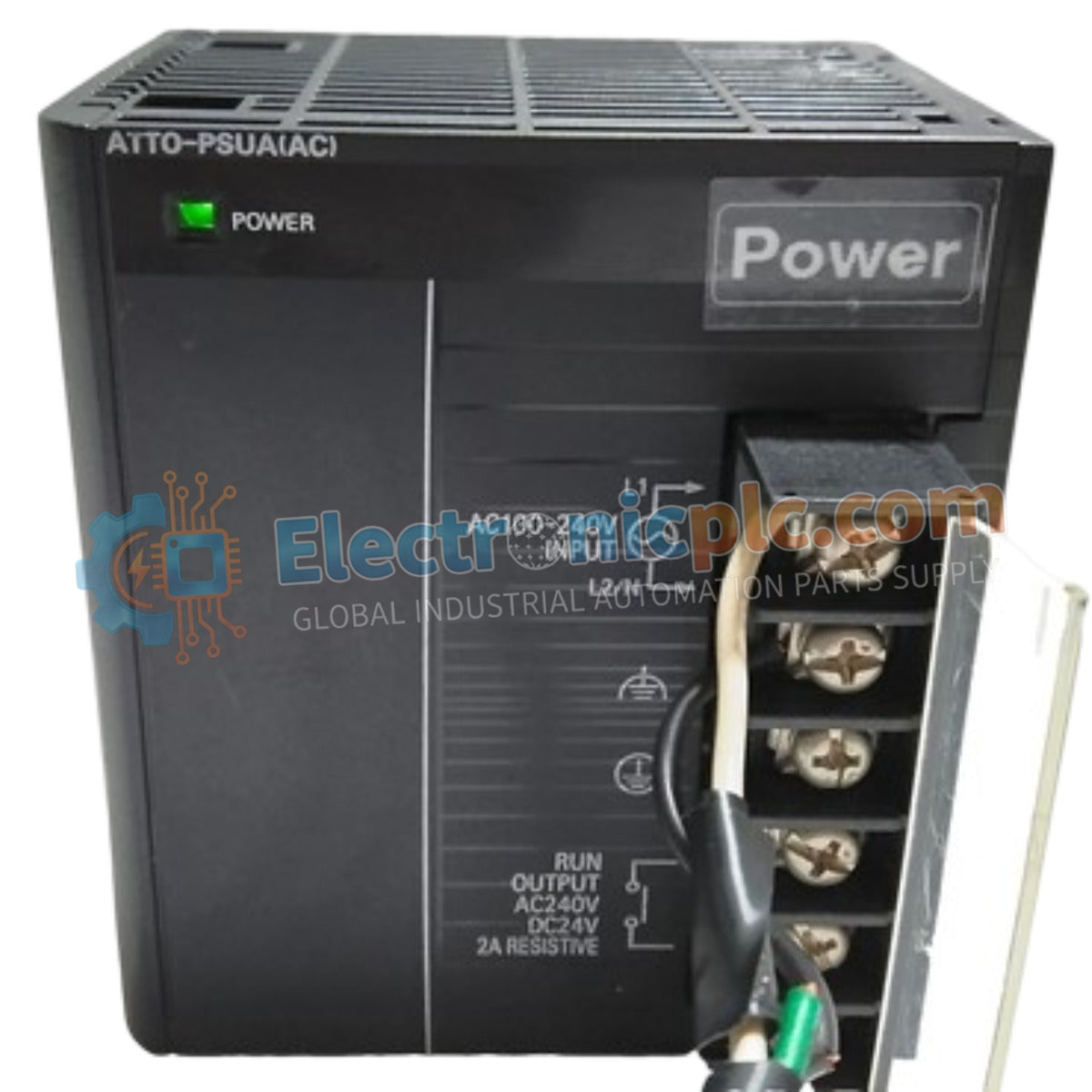
تم تكوين YOKOGAWA AFF50D-H41101 (وحدة التحكم الميدانية AFF50D) للتحكم في العمليات عالية التوفر في بنيات CENTUM VP و ProSafe-RS، ويوفر تنفيذًا ماديًا/كهربائيًا مباشرًا لمنطق التحكم وإدارة الإدخال/الإخراج. تعمل هذه الوحدة المزدوجة كمحرك معالجة أساسي لمحطات التحكم الميدانية (FCS)، وتحافظ على الأداء المحدد في الحلقات الحساسة للسلامة والعمليات الحساسة.
يتضمن AFF50D-H41101 تكوينات أجهزة محددة للتحكم المتكرر:
AFF50D: يشير إلى البنية الأساسية لوحدة التحكم الميدانية القابلة للازدواج.
H41101: يحدد مستوى التكامل والتوافق مع معايير اتصال Vnet/IP و ESB bus لمنصات نظام التحكم المتكامل ونظام السلامة الآلي (SIS).
| المعلمة | المواصفات |
| النموذج | AFF50D-H41101 |
| الماركة | YOKOGAWA |
| الأصل | اليابان |
| الوزن | 8.0 كجم |
| الأبعاد | 18.6 سم × 22.8 سم × 13 سم |
| درجة حرارة التشغيل | المعيار الصناعي |
| تكوين وحدة المعالجة المركزية | معالجات مزدوجة الاحتياطية |
| الاتصال | Vnet/IP، ناقل ESB |
| التركيب | خزانة أو رف |
تم تصميم AFF50D-H41101 للتوافق مع شهادة SIL3 ضمن بيئات ProSafe-RS، باستخدام بنية تكرارية ثلاثية الوحدات (TMR) أو بنية مزدوجة التكرارية لضمان تنفيذ حالة آمنة من الفشل أثناء أخطاء الأجهزة المكونة. تستخدم الوحدة عزلًا غلفانيًا بين دوائر التحكم وناقلات الإدخال/الإخراج الميدانية، مما يقلل بشكل فعال من انتشار العابرين الكهربائيين. تضمن هذه البنية القوية أن يحافظ النظام على استمرارية التشغيل ويحافظ على حالة تحكم حتمية حتى في وجود أعطال أجهزة أحادية النقطة.
س: هل يدعم AFF50D-H41101 التبديل الساخن لوحدات المعالجة؟
ج: نعم، في التكوين المزدوج المتكرر، يدعم AFF50D استبدال وحدة معالج احتياطية دون مقاطعة عملية التحكم، بشرط أن يكون النظام في حالة صحية وأن يتم التحقق من منطق التبديل.
س: هل واجهة Vnet/IP متوافقة مع معايير محولات الشبكة التجارية؟
ج: تتطلب واجهة Vnet/IP تكوينًا محددًا للمحولات الصناعية عالية السرعة لدعم التوقيت الحتمي المطلوب لحركة مرور التحكم في العملية. استشر إرشادات تصميم الشبكة الخاصة بالشركة المصنعة لتجنب تأخير حزم البيانات.
قم بتركيب الوحدة في خزانة بها تبريد قسري كافٍ. تأكد من أن مسارات التهوية عبر غلاف المعالج غير معاقة لمنع الاختناق الحراري.
قم بإنهاء كابلات Vnet/IP و ESB bus باستخدام موصلات محمية عالية الجودة. قم بتثبيت حزم الكابلات بهيكل الخزانة لمنع الضغط الميكانيكي على منافذ الوحدة.
تحقق من أن مدخلات مصدر الطاقة المتكررة موصولة من مصادر طاقة مستقلة (على سبيل المثال، UPS 1 و UPS 2) لضمان بقاء محطة التحكم مزودة بالطاقة أثناء انقطاع التيار الكهربائي في الموقع.
قم بإجراء مصافحة أولية للنظام للتحقق من مزامنة المعالجات الأساسية والثانوية (الاحتياطية) وأن مؤشرات LED للحالة تشير إلى حالة تكرارية "صحية".
في بيئات التداخل العالي، تأكد من ربط باب الخزانة وهيكل الوحدة بشكل صحيح بحافلة تأريض النظام للتخفيف من قابلية EMI أثناء الاتصال الميداني.
