
سلة التسوق الخاصة بي
0 عنصرًا
قطع غيار أصلية للأتمتة | توصيل سريع عالمي | ضمان لمدة 12 شهرًا — [احصل على عرض سعر]

يعمل Yokogawa MDK2-S1، والمصنف أيضًا باسم MDK2-S1، كوحدة إدخال/إخراج (I/O) مخصصة مصممة للتكامل السلس ضمن أنظمة التحكم الموزعة (DCS) من Yokogawa. توفر هذه الوحدة تنفيذًا...
التوافر: الكمية المتبقية: 99
توصيل موثوق به في جميع أنحاء العالم
ضمان استرداد الأموال خلال 30 يومًا
هل تحتاج إلى مزيد من التفاصيل؟ اقرأ سياسة الشحن وسياسة الاسترداد الكاملة.
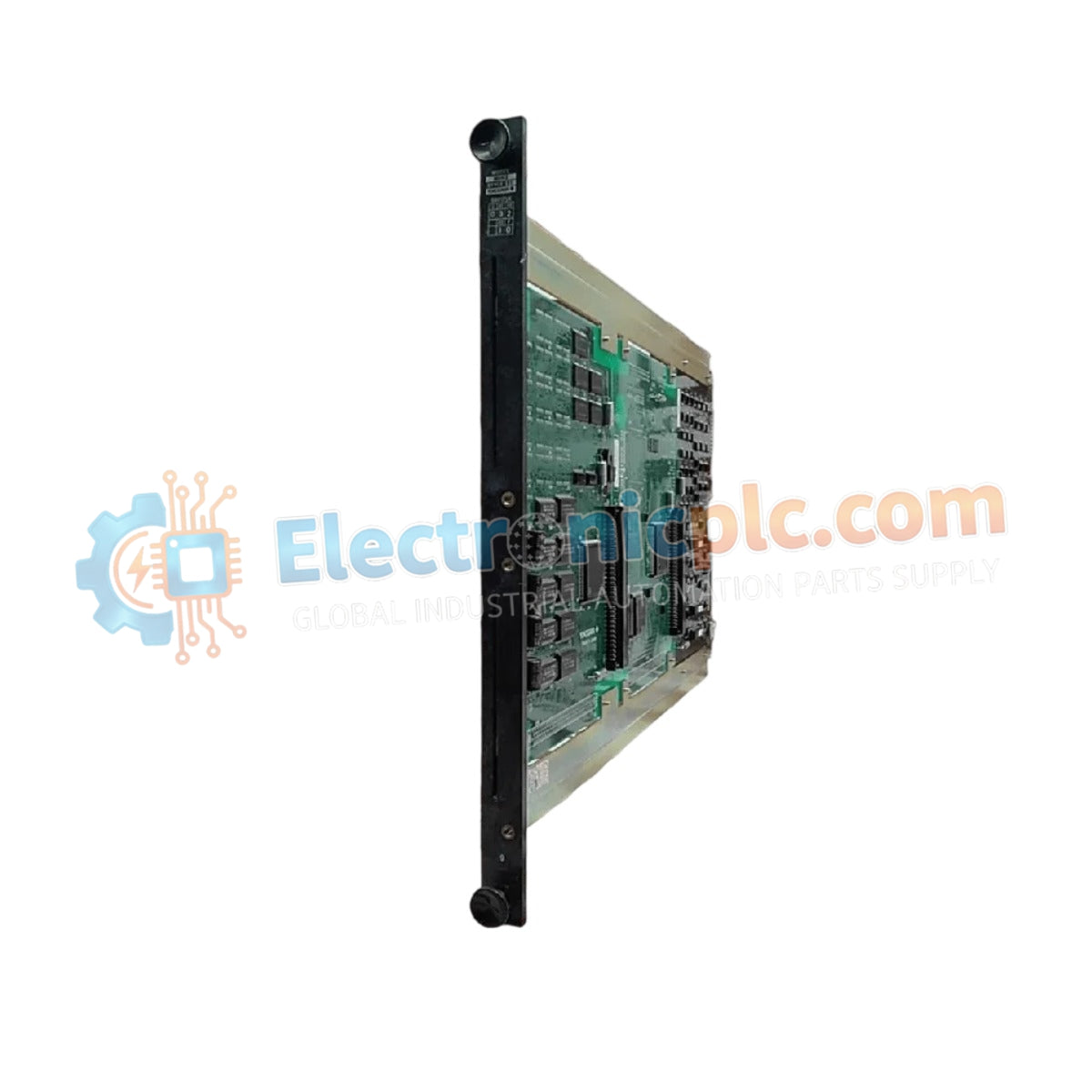
يعمل Yokogawa MDK2-S1، والمصنف أيضًا باسم MDK2-S1، كوحدة إدخال/إخراج (I/O) مخصصة مصممة للتكامل السلس ضمن أنظمة التحكم الموزعة (DCS) من Yokogawa. توفر هذه الوحدة تنفيذًا كهربائيًا مباشرًا لاكتساب الإشارة وإخراج التحكم، مما يسهل الواجهة الدقيقة بين الأجهزة على مستوى المجال ومعالجات التحكم المركزية.
| المعلمة | المواصفات |
| الموديل | MDK2-S1 |
| العلامة التجارية | Yokogawa |
| النوع | وحدة إدخال/إخراج |
| المنشأ | اليابان |
| درجة حرارة التشغيل | من 0 إلى 50 درجة مئوية |
| قدرة الإدخال/الإخراج | قابلة للتكوين (تماثلي/رقمي) |
| واجهة اللوحة الخلفية | ناقل Yokogawa الخاص |
| العزل | من قناة إلى قناة / من قناة إلى نظام |
تم تصميم MDK2-S1 للحفاظ على سلامة الإشارة العالية في البيئات الصناعية الصعبة. تدعم بنيتها تحويل إشارات المجال إلى بيانات رقمية موحدة لوحدة التحكم، بينما تنفذ في الوقت نفسه إشارات الأوامر للمشغلات أو الأجهزة الميدانية الأخرى. تم تصميم الدوائر الداخلية لتوفر توافقًا كهرومغناطيسيًا قويًا (EMC)، مما يضمن بقاء حلقات التحكم في العملية مستقرة وخالية من التداخل الناتج عن مصادر الضوضاء الخارجية.
س: هل يدعم MDK2-S1 التبديل السريع (Hot-swapping)؟
ج: لا، لم يتم تصميم MDK2-S1 للتبديل السريع. يجب إيقاف تشغيل محطة التحكم أو وضعها في وضع صيانة محدد لمنع أخطاء الاتصال باللوحة الخلفية أو التلف الكهربائي أثناء التثبيت أو الإزالة.
س: كيف يتم تكوين الوحدة لأنواع الإدخال/الإخراج المختلفة؟
ج: يتم التعامل مع التكوين عبر برنامج الهندسة الخاص بالنظام. يتم ربط المعلمات مثل نطاق الإشارة، والفلترة، وعتبات الإنذار بعناوين الوحدة من خلال واجهة التكوين المركزية أثناء مرحلة نشر المشروع.
تأكد من فصل الطاقة عن رف التحكم قبل إدخال MDK2-S1 في فتحة الإدخال/الإخراج المخصصة.
تحقق من المحاذاة الصحيحة لموصلات اللوحة الخلفية لمنع انثناء المسامير، مما قد يتسبب في حدوث أعطال متقطعة في الاتصال.
ثبت الوحدة باستخدام آليات القفل في اللوحة الأمامية لتوفير مسار إلى أرضي الهيكل، وهو أمر ضروري لتقليل التداخل الكهرومغناطيسي.
استخدم كبلات مزدوجة مجدولة ومحمية لجميع مسارات إشارات المجال، مع إبقاء هذه الكبلات منفصلة عن خطوط التيار المتردد عالية الجهد للحفاظ على سلامة المدخلات التناظرية.
قم بإجراء فحص تشخيصي كامل من خلال محطة الهندسة بعد التثبيت للتأكد من التعرف على الوحدة بشكل صحيح وتفعيلها على شبكة وحدة التحكم.
