
سلة التسوق الخاصة بي
0 عنصرًا
قطع غيار أصلية للأتمتة | توصيل سريع عالمي | ضمان لمدة 12 شهرًا — [احصل على عرض سعر]

يعمل جهاز Woodward LR20025، والمُصنف أيضًا باسم المرحل متعدد الوظائف MFR13، كمكوِّنٍ مادي مخصص للاستشعار الكهربائي لتوربينات الرياح وتنفيذ التحكم ضمن شبكات اتصالات وحدة التحكم المنطقية القابلة للبرمجة (PLC) الخاصة...
التوافر: الكمية المتبقية: 10
توصيل موثوق به في جميع أنحاء العالم
ضمان استرداد الأموال خلال 30 يومًا
هل تحتاج إلى مزيد من التفاصيل؟ اقرأ سياسة الشحن وسياسة الاسترداد الكاملة.


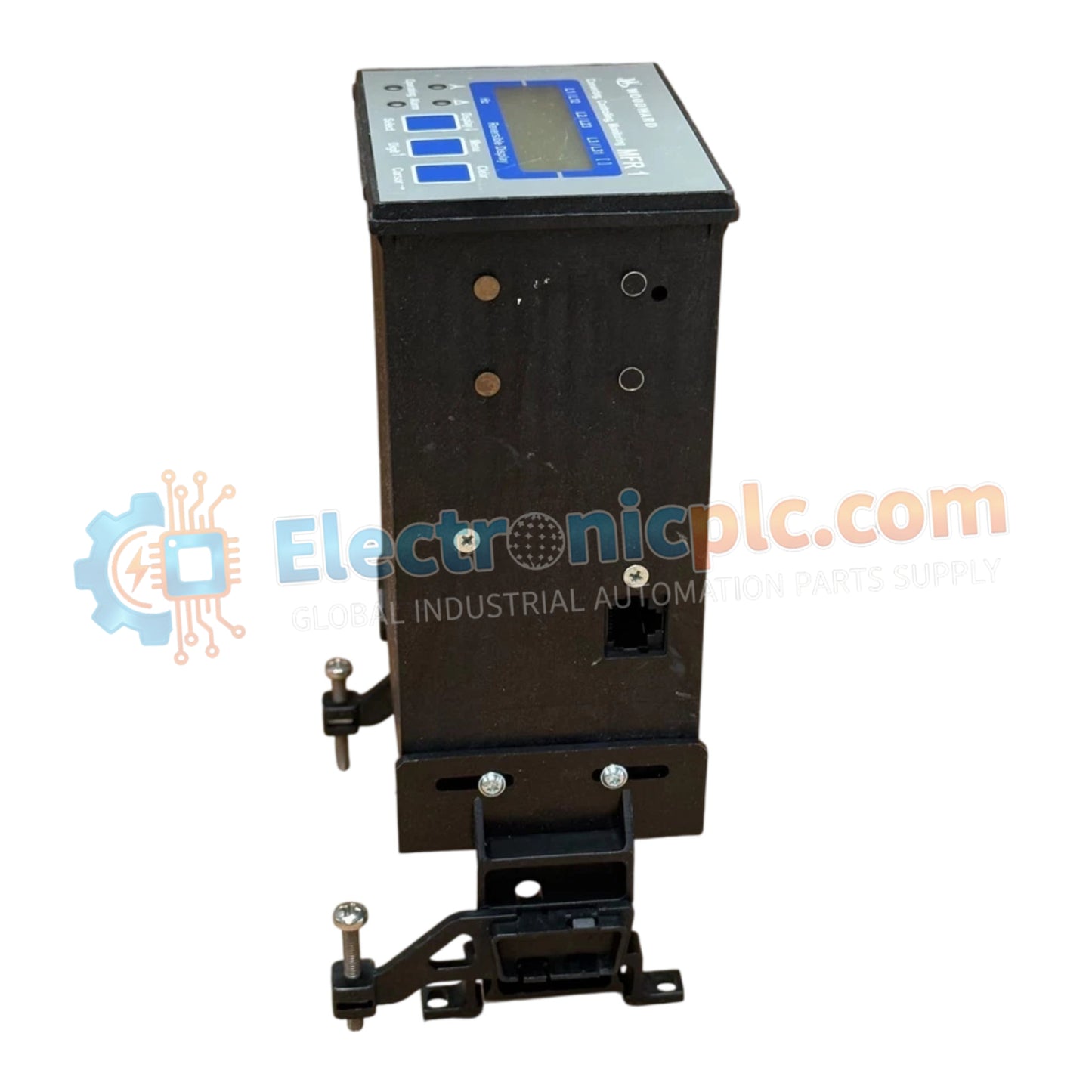
يعمل جهاز Woodward LR20025، والمُصنف أيضًا باسم المرحل متعدد الوظائف MFR13، كمكوِّنٍ مادي مخصص للاستشعار الكهربائي لتوربينات الرياح وتنفيذ التحكم ضمن شبكات اتصالات وحدة التحكم المنطقية القابلة للبرمجة (PLC) الخاصة بالتوربينات.
| المعلمة | المواصفات |
|---|---|
| الموديل | LR20025 (MFR13) |
| العلامة التجارية | Woodward |
| المنشأ | الولايات المتحدة الأمريكية |
| الوزن | 2 كجم |
| الأبعاد | 96 مم × 72 مم × 130 مم |
| درجة حرارة التشغيل | نطاق التشغيل الصناعي القياسي |
| استهلاك الطاقة | يعمل عن طريق ناقل CAN / حلقة مساعدة |
| نطاق استشعار الجهد | 250 إلى 690 فولت تيار متردد، 50/60 هرتز |
| نطاق استشعار التيار | 0.5 إلى 5 أمبير |
| واجهة الاتصال | واجهة ناقل CAN مع وحدة PLC عالية المستوى |
| بديل وظيفي | MFR300 (رقم الجزء 8444-1093) |
يقوم Woodward LR20025 بمعالجة إشارات خط الجهد العالي التي تتراوح من 250 إلى 690 فولت تيار متردد جنبًا إلى جنب مع مدخلات استشعار التيار من 0.5 إلى 5 أمبير لتوفير استجابة محددة لتغذية حلقة المشغل. من خلال التفاعل المباشر مع وحدات التحكم المنطقية القابلة للبرمجة (PLC) الرئيسية لتوربينات الرياح عبر ناقل CAN مدمج، توفر الوحدة معلمات طاقة في الوقت الفعلي ومراقبة للحالة. تتيح المعالجة ذات الحلقة المغلقة سرعة التعثر وتبادل الإشارات لضبط درجة شفرة التوربين، أو تشغيل المولد، أو عزل الموصل أثناء حدوث تشوهات في جهد الخط أو التيار.
س: ما هي إمكانات الاستشعار الكهربائي الأساسية للجهد والتيار في Woodward LR20025؟
ج: يدعم المرحل استشعار الجهد المتناوب المباشر من 250 إلى 690 فولت تيار متردد (50/60 هرتز) ومستويات استشعار التيار بين 0.5 و5 أمبير.
س: كيف يتواصل Woodward LR20025 مع المتحكم الرئيسي؟
ج: تستخدم الوحدة واجهة بروتوكول ناقل CAN مدمجة لنقل المعلمات الكهربائية وقياسات الإنذار عن بعد مباشرة إلى وحدة PLC عليا.
س: ما هو الجزء البديل الوظيفي المخصص لمرحل LR20025 MFR13؟
ج: يمكن استبدال الوحدة وظيفيًا بوحدة Woodward MFR300 تحت رقم الجزء 8444-1093.


