
سلة التسوق الخاصة بي
0 عنصرًا
قطع غيار أصلية للأتمتة | توصيل سريع عالمي | ضمان لمدة 12 شهرًا — [احصل على عرض سعر]

تم تكوين Yokogawa NFAI143-H50/A4AS0 (وحدة الإدخال التناظرية NFAI143-H50/A4AS0) لاكتساب الإشارة عالية الكثافة ضمن معماريات DCS، وتوفر تنفيذًا ماديًا وكهربائيًا مباشرًا لمعالجة الإشارة التناظرية ذات 16 قناة.
التوافر: في الأوراق المالية
توصيل موثوق به في جميع أنحاء العالم
ضمان استرداد الأموال خلال 30 يومًا
هل تحتاج إلى مزيد من التفاصيل؟ اقرأ سياسة الشحن وسياسة الاسترداد الكاملة.

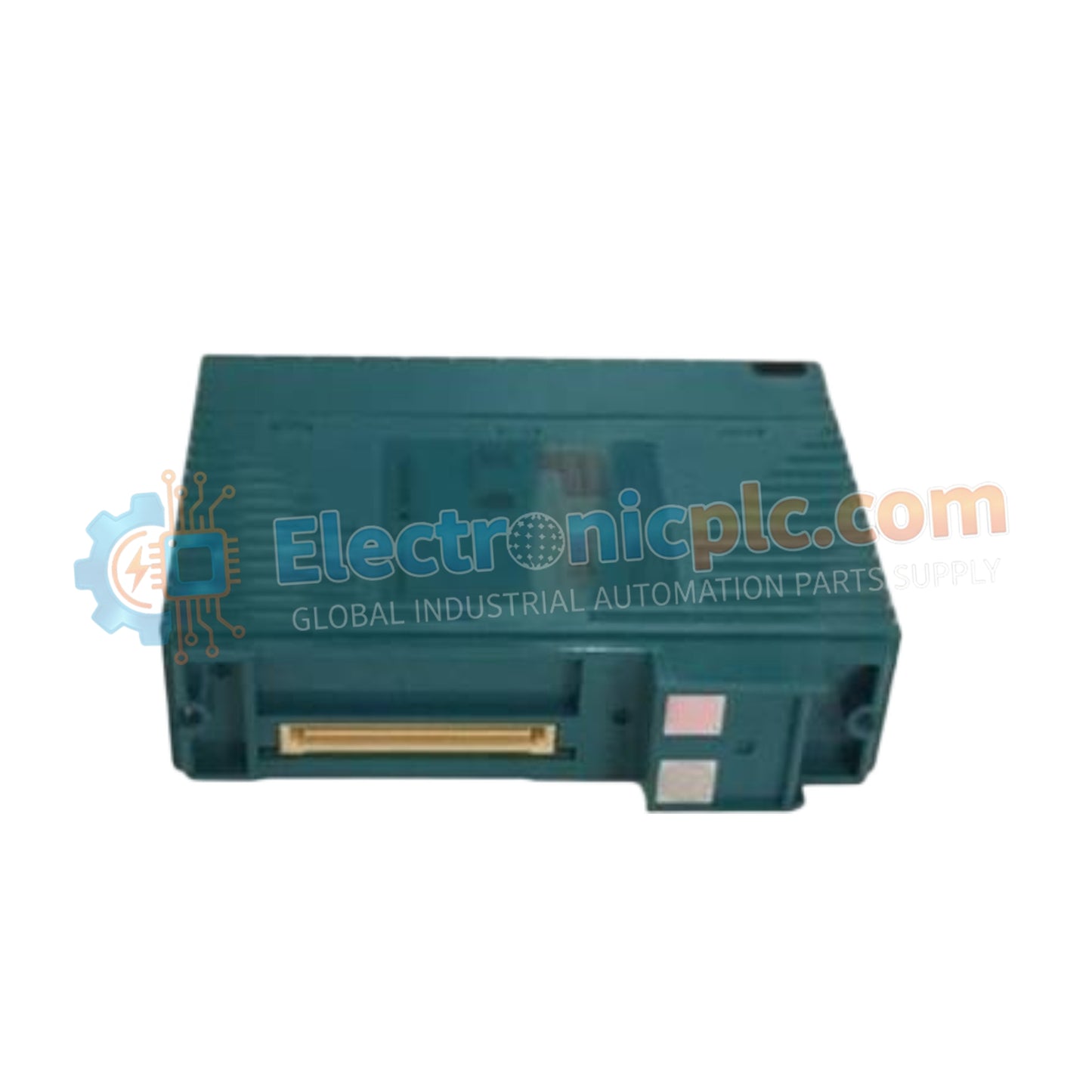
تم تكوين Yokogawa NFAI143-H50/A4AS0 (وحدة الإدخال التناظرية NFAI143-H50/A4AS0) لاكتساب الإشارة عالية الكثافة ضمن معماريات DCS، وتوفر تنفيذًا ماديًا وكهربائيًا مباشرًا لمعالجة الإشارة التناظرية ذات 16 قناة.
| المعلمة | المواصفات |
|---|---|
| النموذج | NFAI143-H50/A4AS0 |
| العلامة التجارية | يوكوجاوا |
| الأصل | اليابان |
| الوزن | 0.3 كجم |
| الأبعاد | عامل شكل مثبت على سكة DIN قياسي |
| درجة حرارة التشغيل | 0 درجة مئوية إلى +60 درجة مئوية |
| استهلاك الطاقة | 230 مللي أمبير عند 5 فولت تيار مستمر، 540 مللي أمبير عند 24 فولت تيار مستمر |
| قنوات الإدخال | 16 قناة معزولة |
| نطاق الإشارة | 4-20 مللي أمبير تيار مستمر |
| دورة تحديث البيانات | 10 مللي ثانية |
| الدقة | +/- 0.1% من المقياس الكامل |
| جهد التحمل | 1500 فولت تيار متردد (إدخال إلى النظام) |
تشتمل NFAI143-H50/A4AS0 على عزل جلفاني لفصل حلقات جانب الحقل عن ناقل النظام الداخلي، مما يقلل من انتشار ضوضاء الوضع المشترك والحلقات الأرضية. تدعم هذه البنية دمج بروتوكول حلقة HART بجهد 4-20 مللي أمبير، مما يسمح بالمراقبة المتزامنة للمتغيرات العملية التناظرية ونقل بيانات التشخيص الرقمية. تم تصميم دوائر الإدخال للحفاظ على سلامة الإشارة من خلال آليات تعويض وصلة التبريد الدقيقة حيثما ينطبق ذلك، مع توفير حماية من التيار الزائد لعزل أخطاء القناة عن اللوحة الخلفية لمعالج التحكم الرئيسي.
س: هل تدعم الوحدة التبديل السريع أثناء التشغيل؟
ج: تم تصميم NFAI143-H50/A4AS0 للإدخال المعياري؛ ومع ذلك، تتطلب بروتوكولات السلامة على مستوى النظام إزالة الطاقة عن اللوحة الخلفية لحامل الإدخال/الإخراج أو تعطيل الفتحة المحددة في تكوين DCS قبل الإزالة المادية لمنع حدوث حالات عابرة في اتصالات ناقل اللوحة الخلفية.
س: كيف يتم الحفاظ على تصنيف جهد التحمل البالغ 1500 فولت تيار متردد أثناء التثبيت؟
ج: يتم الحفاظ على سلامة العزل من خلال حواجز جلفانية داخلية. يجب على المستخدمين التأكد من عدم إنشاء أي جسر مادي أو مسار موصل بين أسلاك طرف الحقل وموصلات اللوحة الخلفية بجانب النظام أثناء توصيل الكابينة.

