انتقل إلى معلومات المنتج
1 ل 3

NFAI143 YOKOGAWA Analog Input Module | New & Original Stock

NFAI143 YOKOGAWA Analog Input Module | New & Original Stock

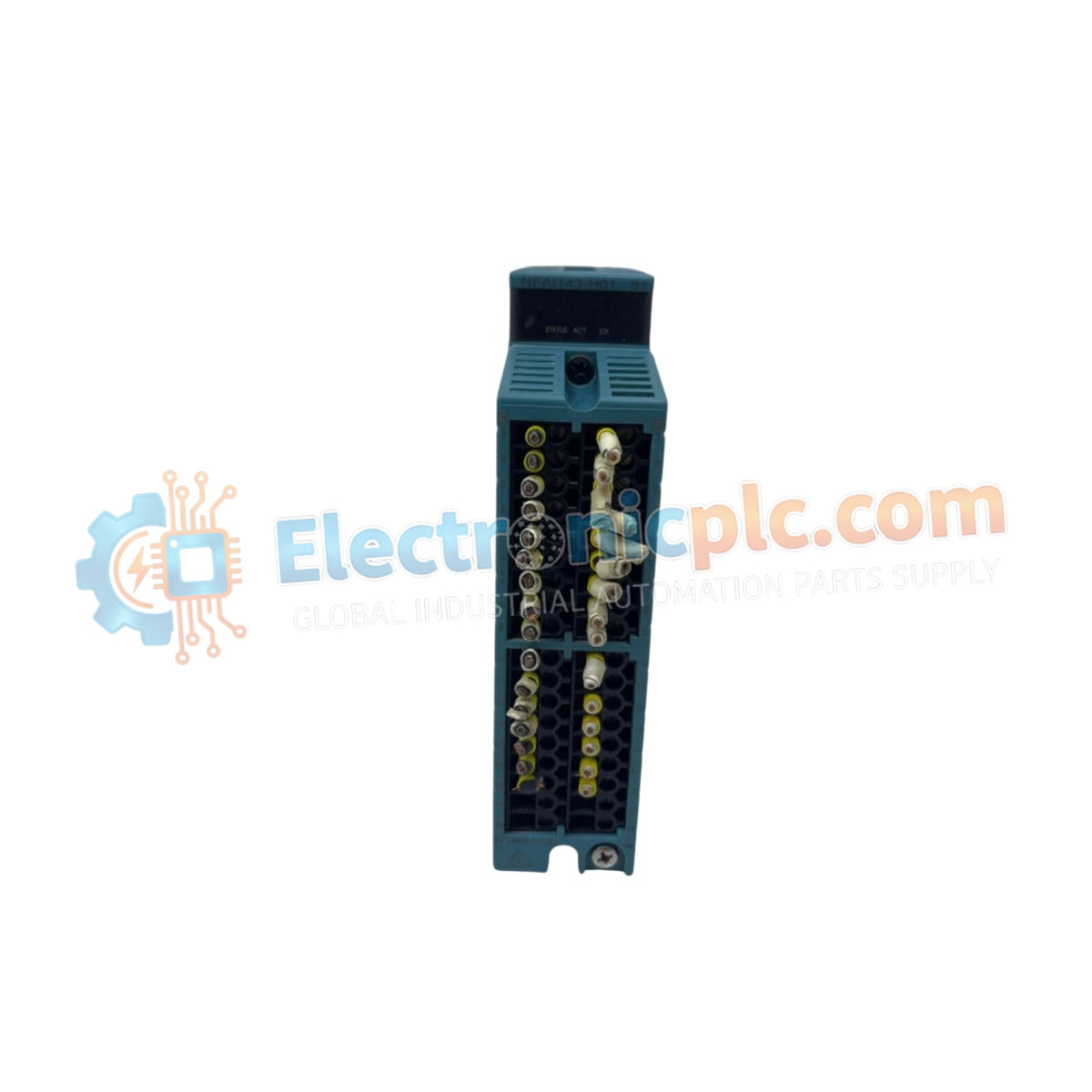
The YOKOGAWA NFAI143, also cataloged as the NFAI143 Analog Input Module, operates as a dedicated hardware component for high-precision sensor signal acquisition within CENTUM VP control systems.

Hardware Specifications

20 يشاهد الناس هذا الآن

التوافرالكمية المتبقية: 99

رمز المنتج: NFAI143
بائع: Yokogawa
Related Series:

الشحن والإرجاع

توصيل موثوق به في جميع أنحاء العالم

  • شركات الشحن: يتم الشحن عبر DHL أو FedEx أو UPS أو USPS .
  • الشحن: تتم معالجة الطلبات خلال يوم عمل واحد إلى يومين، ويتم شحنها خلال 3 إلى 5 أيام عمل .
  • التتبع: يتم توفير تفاصيل التتبع الكاملة عبر البريد الإلكتروني عند الشحن.

ضمان استرداد الأموال خلال 30 يومًا

  • الضمان: فترة إرجاع لمدة 30 يومًا للمنتجات المتوفرة في المخزون والمغلفة من المصنع.
  • الشروط: يجب أن تكون المنتجات غير مفتوحة وغير مستخدمة وفي عبوتها الأصلية.
  • الأصالة: نضمن أن تكون الأجهزة أصلية 100% .

هل تحتاج إلى مزيد من التفاصيل؟ اقرأ سياسة الشحن وسياسة الاسترداد الكاملة.

الأصالة والضمان

  • ضمان أصلي: نحن نوفر فقط قطع غيار أصلية 100%، جديدة تمامًا، ومغلقة من المصنع .
  • تغطية كاملة: كل مكون مدعوم بضمان شامل لمدة 12 شهرًا من تاريخ الشراء.
  • إمكانية التتبع: جميع المنتجات تأتي مع وثائق المصنع الأصلية والملحقات اللازمة للامتثال الكامل للمعايير الصناعية.

الدعم الفني والتوريد

  • مساعدة الخبراء: يقدم فريقنا الفني استشارات مجانية لمساعدتك في التحقق من التوافق مع أنظمة DCS و PLC.
  • مصادر القطع النادرة: متخصصون في المكونات القديمة والتي يصعب العثور عليها من Allen-Bradley و Siemens و ABB و HIMA وغيرها.
  • للاستفسارات المتعلقة بالكميات الكبيرة: تواصلوا معنا على pambo@5gplc.com للحصول على أسعار الكميات الكبيرة أو عروض أسعار المشاريع المخصصة.
عرض تفاصيل المنتج الكاملة

The YOKOGAWA NFAI143, also cataloged as the NFAI143 Analog Input Module, operates as a dedicated hardware component for high-precision sensor signal acquisition within CENTUM VP control systems.

Hardware Specifications

Parameter Specification
Model NFAI143
Brand YOKOGAWA
Origin Japan
Weight 0.3 kg
Dimensions Standard DIN-rail mountable module
Operating Temp -20 deg C to +70 deg C
Power Consumption 24 V DC
Input Channels 4
Resolution 16 bits

Process Control Connectivity and Signal Integrity

The NFAI143 module facilitates the conversion of field instrumentation signals into high-resolution digital data. The architecture supports 4-20 mA and 0-20 mA inputs with a measurement range reaching 24 mA. To ensure measurement precision, the module executes automatic cold junction compensation (CJC) for temperature-related variables and maintains an accuracy rating of ±0.1% of the reading. Galvanic isolation is implemented between the field input terminals and the internal system backplane to suppress common-mode noise and prevent ground loops in extensive industrial wiring networks.

Frequently Asked Questions

Q: Can the NFAI143 be configured for different input signal ranges per channel?

A: Yes, the module supports software-defined configuration for input ranges across its 4 channels, allowing for flexible integration of various 4-20 mA and 0-20 mA loop-powered devices.

Q: Is this module capable of performing under high-temperature industrial conditions?

A: The NFAI143 is engineered for operation within a range of -20 deg C to +70 deg C, providing stable performance in demanding cabinet environments without degradation of accuracy.

Field Installation Guidelines

  1. Mount the module onto a standard DIN rail within a protected control cabinet, ensuring sufficient clearance for airflow to maintain operating temperatures.
  2. Verify that the 24 V DC power supply is correctly connected and polarity-checked before landing signal wires.
  3. Use shielded twisted-pair cables for all analog input loops; terminate the shield at the cabinet's designated grounding bar to minimize electromagnetic interference.
  4. Ensure signal wiring is physically separated from high-voltage AC lines to prevent induced noise in the sensitive 16-bit measurement circuitry.
  5. After wiring, utilize the engineering station to calibrate and verify the input signal scaling, ensuring the digitized values correspond accurately to the field transmitter outputs.