
سلة التسوق الخاصة بي
0 عنصرًا
قطع غيار أصلية للأتمتة | توصيل سريع عالمي | ضمان لمدة 12 شهرًا — [احصل على عرض سعر]

تعمل وحدة YOKOGAWA NFAI543-500/A4500، والتي تُصنف أيضًا كوحدة الإخراج التناظري NFAI543، كجزء مخصص للأجهزة لتوليد إشارات تيار عالية الدقة ضمن منصات التحكم المستقلة STARDOM FCN و FCJ.
التوافر: في الأوراق المالية
توصيل موثوق به في جميع أنحاء العالم
ضمان استرداد الأموال خلال 30 يومًا
هل تحتاج إلى مزيد من التفاصيل؟ اقرأ سياسة الشحن وسياسة الاسترداد الكاملة.


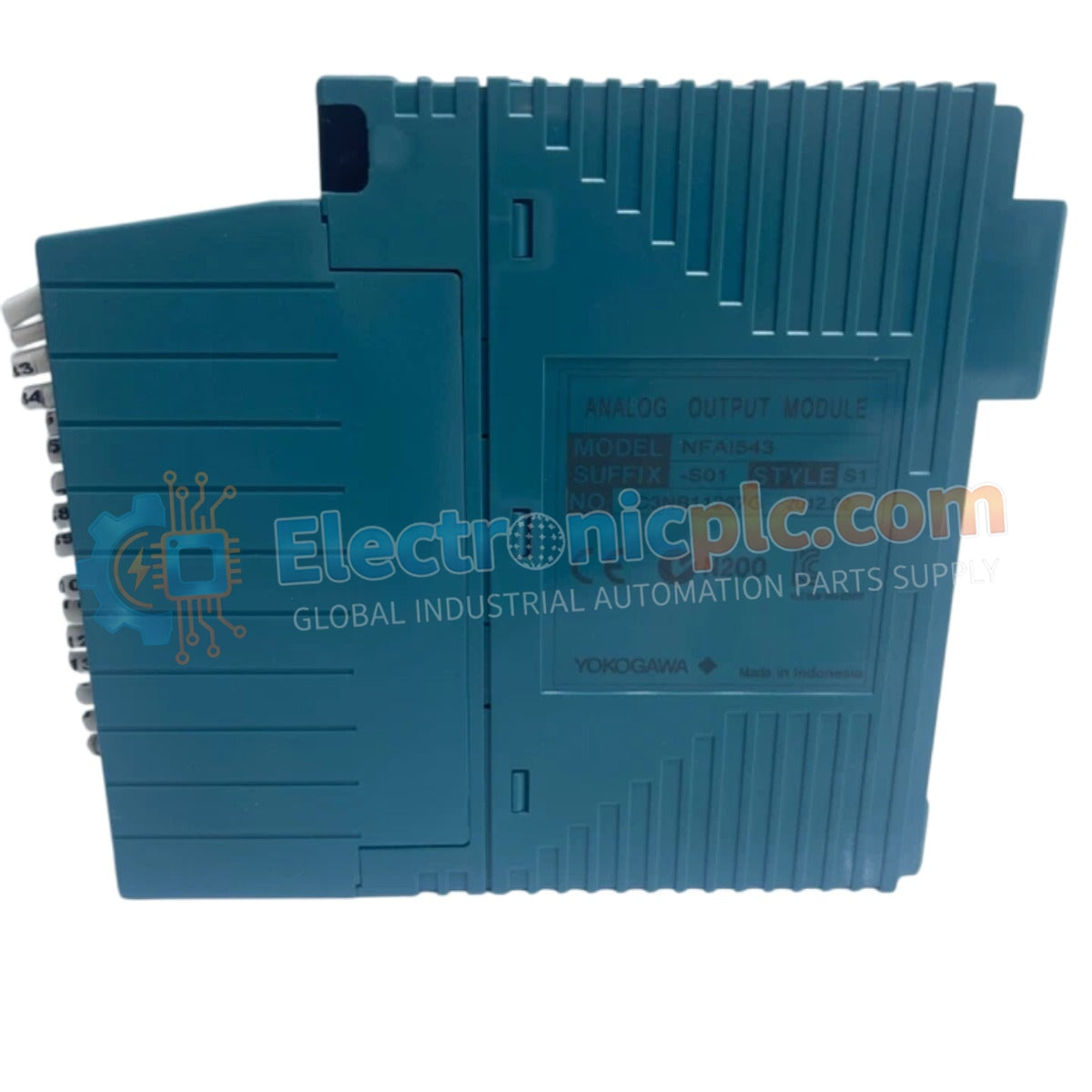
تعمل وحدة YOKOGAWA NFAI543-500/A4500، والتي تُصنف أيضًا كوحدة الإخراج التناظري NFAI543، كجزء مخصص للأجهزة لتوليد إشارات تيار عالية الدقة ضمن منصات التحكم المستقلة STARDOM FCN و FCJ.
يستخدم NFAI543-500/A4500 تكوينًا لاحقًا محددًا لتحديد معايير التشغيل. يشير المعرف -500 إلى إصدار الأجهزة القياسي للحلقات الحالية عالية الكثافة، بينما يشير اللاحقة /A4500 إلى إصدار معايرة وبرامج واجهة محددة تم تحسينها لإخراج التحكم التناظري ذو 16 قناة.
| المعلمة | المواصفات |
|---|---|
| النموذج | NFAI543-500/A4500 |
| العلامة التجارية | YOKOGAWA |
| المنشأ | اليابان |
| الوزن | 0.4 كجم |
| الأبعاد | 25 ملم × 203 ملم × 152 ملم |
| درجة حرارة التشغيل | من 0 درجة مئوية إلى 55 درجة مئوية |
| استهلاك الطاقة | 5 فولت تيار مستمر (اللوحة الخلفية، 450 ملي أمبير) + 24 فولت تيار مستمر (الحلقة) |
| كثافة القنوات | 16 قناة |
| نطاق إشارة الإخراج | 4-20 ملي أمبير تيار مستمر |
| مقاومة الحمل | 0-750 أوم |
| دقة التحويل | 16 بت |
| معدل تحديث البيانات | 10 ملي ثانية |
| الدقة | +/- 0.3% من النطاق الكامل |
تشتمل بنية NFAI543-500/A4500 على عزل كهربائي قوي لفصل اللوحة الخلفية للمتحكم عن البيئة الكهربائية للجانب الميداني. هذا التصميم ضروري لقمع ضوضاء النمط المشترك ومنع فروقات الجهد الأرضي من التأثير على إشارات التحكم 4-20 ملي أمبير. باستخدام دقة 16 بت، تضمن الوحدة تحديد المواقع بدقة لمشغلات الصمامات والتحكم الدقيق في السرعة لمحركات التردد المتغير (VFDs)، مع الحفاظ على حواجز العزل الداخلية للحفاظ على سلامة منطق متحكم STARDOM.
س: هل يمكن لـ NFAI543-500/A4500 دعم مقاومة حمل أكبر من 750 أوم؟
ج: لا. قدرة محرك الإخراج محدودة بـ 750 أوم عند 20 ملي أمبير. تجاوز هذه المقاومة سيؤدي إلى وصول الوحدة إلى حد امتثال الجهد، مما يؤدي إلى قطع الإشارة وفقدان دقة التحكم.
س: هل هذه الوحدة متوافقة مع إجراءات التبديل السريع (hot-swapping)؟
ج: نعم، بشرط أن يدعمها تكوين النظام. ومع ذلك، يجب توخي الحذر لضمان بقاء العملية في حالة آمنة أثناء إزالة أو إدخال الوحدة لتجنب إشارات إخراج غير مقصودة إلى الأجهزة الميدانية.


