سلة التسوق الخاصة بي
0 عنصرًا
قطع غيار أصلية للأتمتة | توصيل سريع عالمي | ضمان لمدة 12 شهرًا — [احصل على عرض سعر]

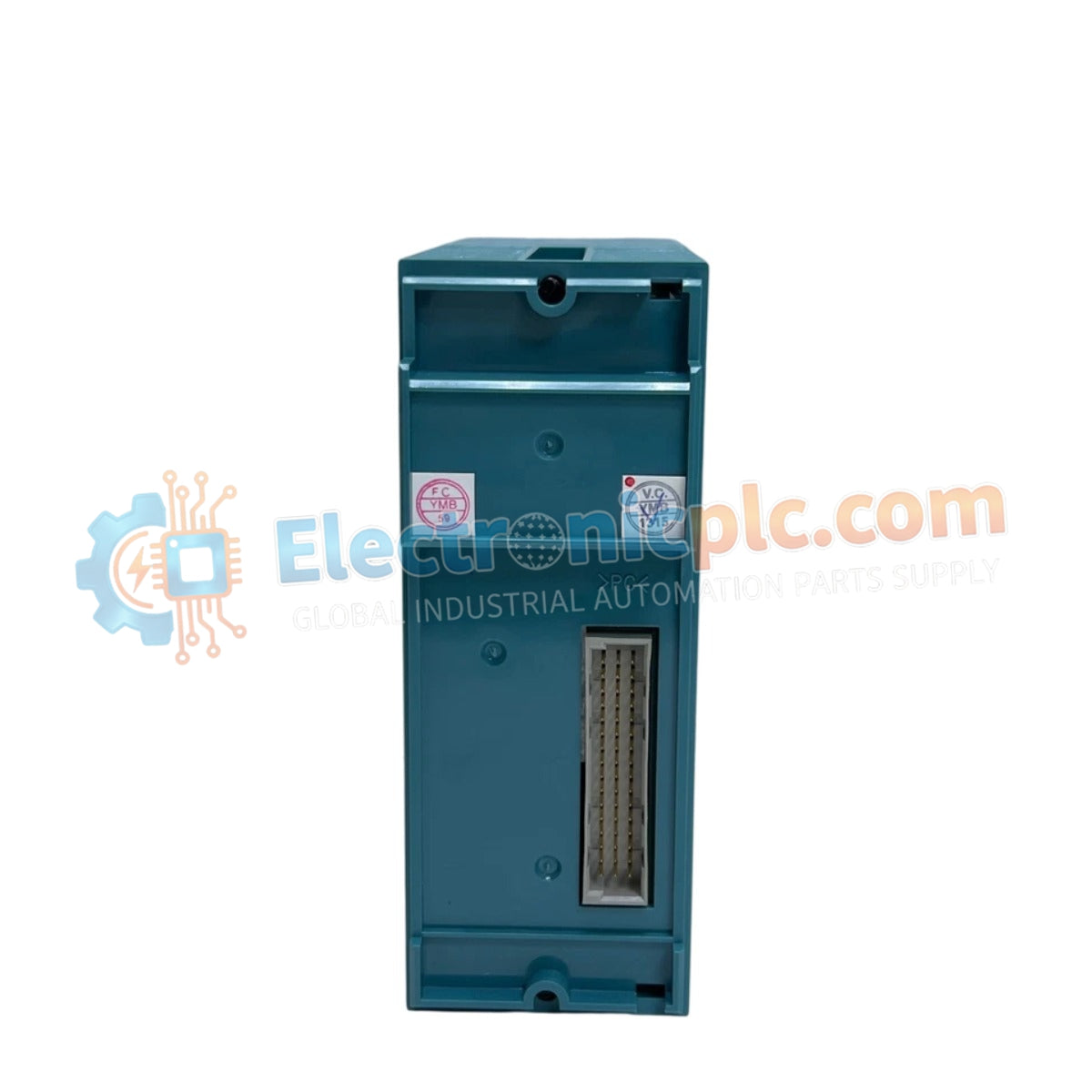
يعمل YOKOGAWA NFPW442-50، والذي يُفهرس أيضًا باسم وحدة إمداد الطاقة NFPW442-50، كمكون أجهزة مخصص لتنظيم الطاقة ضمن منصات التحكم في عمليات DCS.
| المعلمة |
| المعلمة | المواصفات |
| النموذج | NFPW442-50 |
| العلامة التجارية | YOKOGAWA |
| الأصل | اليابان |
| الوزن | 0.22 كجم |
| الأبعاد | 3.2 سم × 10.6 سم × 13 سم |
| درجة حرارة التشغيل | نطاق درجة الحرارة المحيطة الصناعية القياسية |
| استهلاك الطاقة | يعتمد على الحمل |
تدمج الوحدة دوائر متخصصة للعزل من قناة إلى قناة وتنظيم الجهد المطلوب لحلقات أجهزة نظام التحكم الموزع (DCS). للحفاظ على أداء إخراج ثابت، يستخدم مزود الطاقة آليات تغذية راجعة داخلية للتعويض عن تقلبات خط الإدخال. تم تصميم بنية الإخراج لتقليل خصائص التموج، مما يسهل التشغيل المستقر لوحدات الإدخال والإخراج التناظرية الحساسة داخل نظام YOKOGAWA البيئي. يتطلب الأمر إدارة حرارية فعالة، مما يستدعي تدفق هواء كافٍ في الخزانة لمنع تخفيض تصنيف المكونات أثناء التشغيل المستمر في تكوينات الرف عالية الكثافة.
س: ما هي الاعتبارات الأساسية عند دمج مزود الطاقة هذا في رف موجود؟
ج: تأكد من أن الوحدة مثبتة بالكامل في موصل اللوحة الخلفية لضمان التلامس الكهربائي الصحيح لتوزيع الطاقة. يجب قفل مزاليج التثبيت الميكانيكية للحفاظ على الاستقرار الهيكلي واستمرارية تأريض الهيكل.
س: كيف يتم التعامل مع تبديد الحرارة لهذه الوحدة؟
ج: تعتمد الوحدة على الحمل الحراري الفعال. تأكد من وجود خلوص لا يقل عن 50 مم حول الجزء العلوي والسفلي من الوحدة لتسهيل تدفق الهواء والحفاظ على درجة حرارة التشغيل ضمن الحدود المحددة.