انتقل إلى معلومات المنتج
1 ل 3

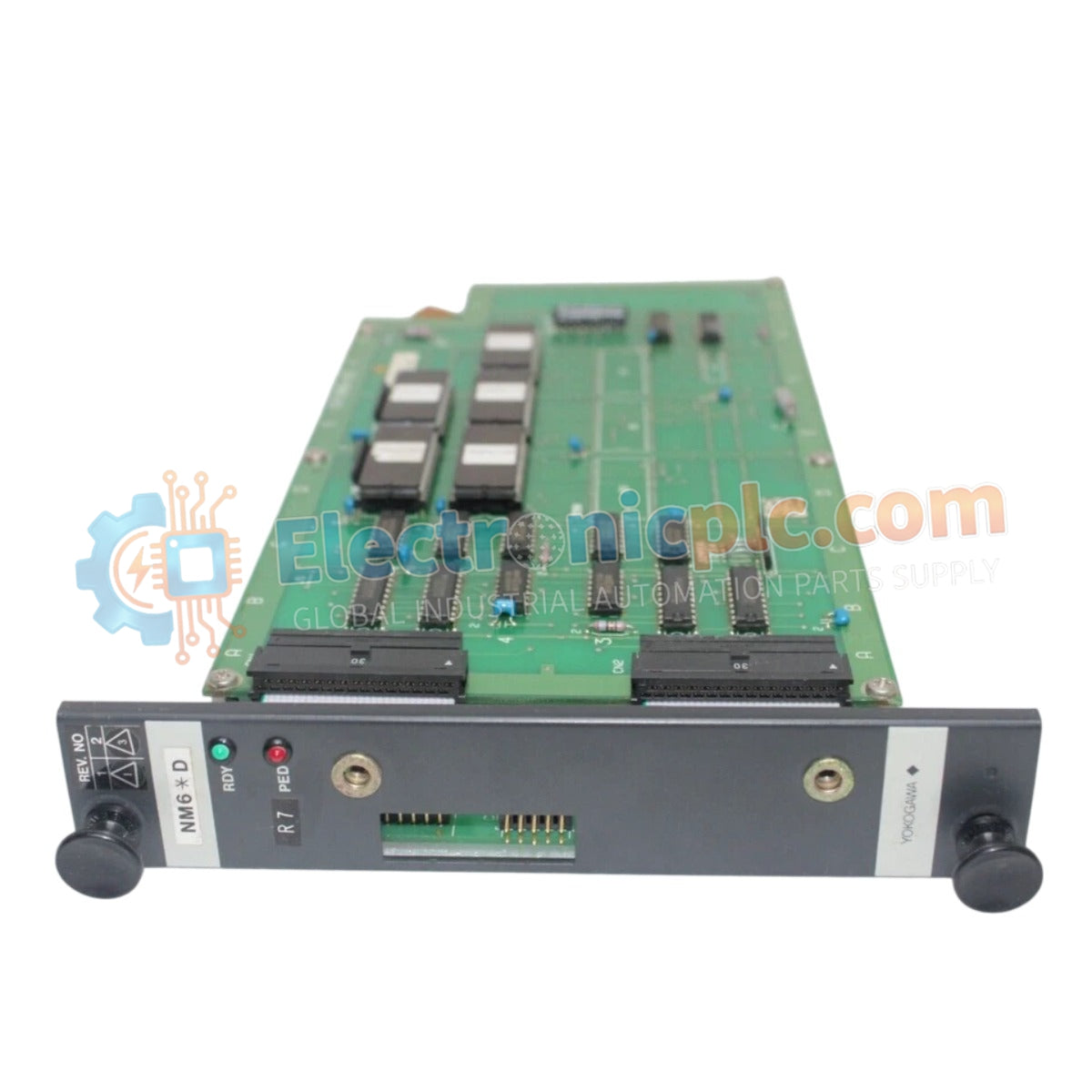
NM6*D Yokogawa Communication Module | New & Original Stock

NM6*D Yokogawa Communication Module | New & Original Stock

The Yokogawa NM6*D, also cataloged as the NM6*D Communication Module, operates as a compact and specialized hardware component designed for high-efficiency data exchange in industrial automation networks. This module serves...

26 يشاهد الناس هذا الآن

التوافرالكمية المتبقية: 99

رمز المنتج: NM6*D
بائع: Yokogawa
Related Series:

الشحن والإرجاع

توصيل موثوق به في جميع أنحاء العالم

  • شركات الشحن: يتم الشحن عبر DHL أو FedEx أو UPS أو USPS .
  • الشحن: تتم معالجة الطلبات خلال يوم عمل واحد إلى يومين، ويتم شحنها خلال 3 إلى 5 أيام عمل .
  • التتبع: يتم توفير تفاصيل التتبع الكاملة عبر البريد الإلكتروني عند الشحن.

ضمان استرداد الأموال خلال 30 يومًا

  • الضمان: فترة إرجاع لمدة 30 يومًا للمنتجات المتوفرة في المخزون والمغلفة من المصنع.
  • الشروط: يجب أن تكون المنتجات غير مفتوحة وغير مستخدمة وفي عبوتها الأصلية.
  • الأصالة: نضمن أن تكون الأجهزة أصلية 100% .

هل تحتاج إلى مزيد من التفاصيل؟ اقرأ سياسة الشحن وسياسة الاسترداد الكاملة.

الأصالة والضمان

  • ضمان أصلي: نحن نوفر فقط قطع غيار أصلية 100%، جديدة تمامًا، ومغلقة من المصنع .
  • تغطية كاملة: كل مكون مدعوم بضمان شامل لمدة 12 شهرًا من تاريخ الشراء.
  • إمكانية التتبع: جميع المنتجات تأتي مع وثائق المصنع الأصلية والملحقات اللازمة للامتثال الكامل للمعايير الصناعية.

الدعم الفني والتوريد

  • مساعدة الخبراء: يقدم فريقنا الفني استشارات مجانية لمساعدتك في التحقق من التوافق مع أنظمة DCS و PLC.
  • مصادر القطع النادرة: متخصصون في المكونات القديمة والتي يصعب العثور عليها من Allen-Bradley و Siemens و ABB و HIMA وغيرها.
  • للاستفسارات المتعلقة بالكميات الكبيرة: تواصلوا معنا على pambo@5gplc.com للحصول على أسعار الكميات الكبيرة أو عروض أسعار المشاريع المخصصة.
عرض تفاصيل المنتج الكاملة

The Yokogawa NM6*D, also cataloged as the NM6*D Communication Module, operates as a compact and specialized hardware component designed for high-efficiency data exchange in industrial automation networks. This module serves as a critical interface for bridging Yokogawa proprietary device traffic with broader industrial network protocols, ensuring real-time synchronization between disparate system nodes.

Hardware Specifications

Parameter Specification
Model NM6*D
Brand Yokogawa
Type Communication Module
Dimensions 100 mm x 100 mm x 50 mm
Weight 0.2 kg
Operating Temp -25°C to +70°C
Protocol Support Industrial Network Protocols

Process Control and Network Connectivity

The NM6D module is engineered for low-latency data transmission, managing the flow of information between field devices and control systems with high reliability. Its robust architecture allows it to function effectively in extreme environments, ranging from -25°C to +70°C. By acting as a protocol translator and traffic manager, the NM6D minimizes data collisions and bottlenecks on the network, which is essential for maintaining deterministic performance in complex control loops.

Frequently Asked Questions

Q: Does the NM6D support hot-swapping during active system operation? A: No, the NM6D is not designed for hot-swapping. The host controller should be placed into a maintenance or "stop" mode, or fully de-energized, before installing or removing the module to prevent electrical damage to the communication backplane.

Q: What does the "*D" in the model number signify?

A: The "*D" designation is a wildcard used by Yokogawa to denote specific variations in firmware, protocol support, or hardware revisions tailored for unique industrial application requirements.

Field Installation Guidelines

  • Always verify that the power supply to the controller rack is disconnected or locked out prior to handling the NM6*D.
  • Ensure the module is aligned correctly with the backplane connectors to avoid pin deformation or internal shorts during seating.
  • Secure the module using the built-in locking mechanism or front-panel screws to ensure a stable electrical connection to the chassis ground, which mitigates electromagnetic noise.
  • Route data cables separately from high-voltage AC power lines to maintain high signal-to-noise ratios and prevent communication timeouts.
  • After physical installation, use the engineering software to verify that the module is correctly recognized by the network and that the protocol settings are synchronized.