
سلة التسوق الخاصة بي
0 عنصرًا
قطع غيار أصلية للأتمتة | توصيل سريع عالمي | ضمان لمدة 12 شهرًا — [احصل على عرض سعر]

تعمل وحدة تزويد الطاقة YOKOGAWA PW302-S4، والمُفهرسة أيضاً باسم PW302، كمكوّن مادي مخصص لتوزيع الطاقة ضمن منصات نظام التحكم الموزع (DCS) من Yokogawa. تم تكوين هذه الوحدة لقبول مدخلات تيار...
التوافر: الكمية المتبقية: 99
توصيل موثوق به في جميع أنحاء العالم
ضمان استرداد الأموال خلال 30 يومًا
هل تحتاج إلى مزيد من التفاصيل؟ اقرأ سياسة الشحن وسياسة الاسترداد الكاملة.


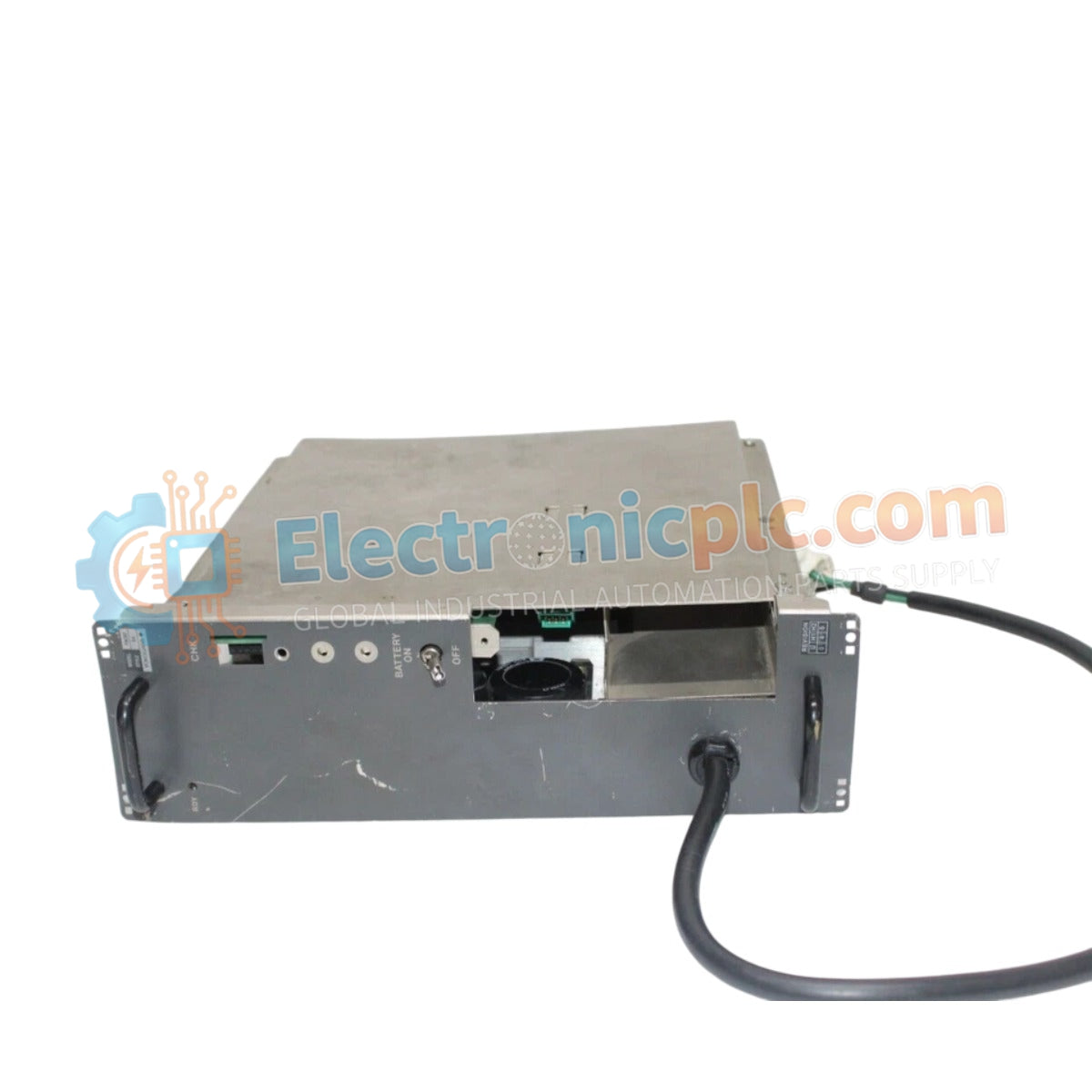
تعمل وحدة تزويد الطاقة YOKOGAWA PW302-S4، والمُفهرسة أيضاً باسم PW302، كمكوّن مادي مخصص لتوزيع الطاقة ضمن منصات نظام التحكم الموزع (DCS) من Yokogawa. تم تكوين هذه الوحدة لقبول مدخلات تيار متردد عالية الجهد، وهي تنظم وتثبّت الجهد الكهربائي المطلوب لعمليات اللوحة الخلفية للنظام ودوائر المنطق المرتبطة بها.
يُشير مُعرف النموذج PW302-S4 إلى تكوين مُخصص لإمداد الطاقة مصمم لنطاقات إدخال تتراوح من 220 إلى 240 فولت تيار متردد. تُشير اللاحقة "S4" إلى إصدار محدد للمحول الداخلي ودوائر التنظيم المصممة خصيصاً لمعايير شبكة الطاقة الإقليمية، مما يضمن التوافق مع خزائن التحكم الصناعية القياسية.
| المعلمة | المواصفة |
|---|---|
| الموديل | PW302-S4 |
| العلامة التجارية | Yokogawa |
| المنشأ | اليابان |
| الوزن | 3.6 كجم |
| الأبعاد | 10.2 سم × 27.9 سم × 25.4 سم |
| درجة حرارة التشغيل | 0 درجة مئوية إلى 50 درجة مئوية |
| استهلاك الطاقة | مدخل 220-240 فولت تيار متردد |
صُممت PW302-S4 للحفاظ على استقرار الجهد عبر ناقل التحكم، مع دمج عزل من قناة إلى قناة للتخفيف من تأثير الضوضاء الكهربائية في الوضع المشترك. تدعم البنية متطلبات بروتوكول حلقة HART بجهد 4-20 مللي أمبير عن طريق تقليل تيار التموج وضمان مسار تيار مستمر نظيف. تتم إدارة دائرة تعويض الوصلة الباردة الداخلية (CJC) ضمن تصميم التوزيع الحراري المتكامل للحفاظ على الدقة لتكوينات الإدخال/الإخراج عالية الكثافة.
س: هل تسمح PW302-S4 بتكوينات إمداد الطاقة الزائدة عن الحاجة (redundant)؟
ج: نعم، تدعم هذه الوحدة تكوينات مشاركة الحمل عند تثبيتها في أزواج زائدة عن الحاجة ضمن هيكل Yokogawa متوافق. تأكد من أن الثنائيات الخلفية تعمل بشكل صحيح لمنع تدفق التيار العكسي بين الوحدات أثناء تبديل الحمل.
س: ما هو الخلوص الموصى به لتبديد الحرارة بالنظر إلى تصنيف طاقة الوحدة؟
ج: حافظ على مسافة خالية لا تقل عن 5 سم فوق الوحدة وأسفلها للسماح بتدفق الهواء بالحمل الحراري الطبيعي. تجنب تثبيت الوحدة بالقرب من مصادر الحرارة العالية لضمان عمل المكونات الداخلية ضمن نطاق درجة الحرارة المحدد.


