
سلة التسوق الخاصة بي
0 عنصرًا
قطع غيار أصلية للأتمتة | توصيل سريع عالمي | ضمان لمدة 12 شهرًا — [احصل على عرض سعر]

تم تكوين YOKOGAWA RM81*A (وحدة تحكم منطقية قابلة للبرمجة RM81*A) لتنفيذ منطق عالي السرعة في هياكل الأتمتة الموزعة، مما يوفر أداءً حسابيًا قويًا وإدارة واجهة مرنة. يعمل مكون الأجهزة هذا...
التوافر: الكمية المتبقية: 99
توصيل موثوق به في جميع أنحاء العالم
ضمان استرداد الأموال خلال 30 يومًا
هل تحتاج إلى مزيد من التفاصيل؟ اقرأ سياسة الشحن وسياسة الاسترداد الكاملة.


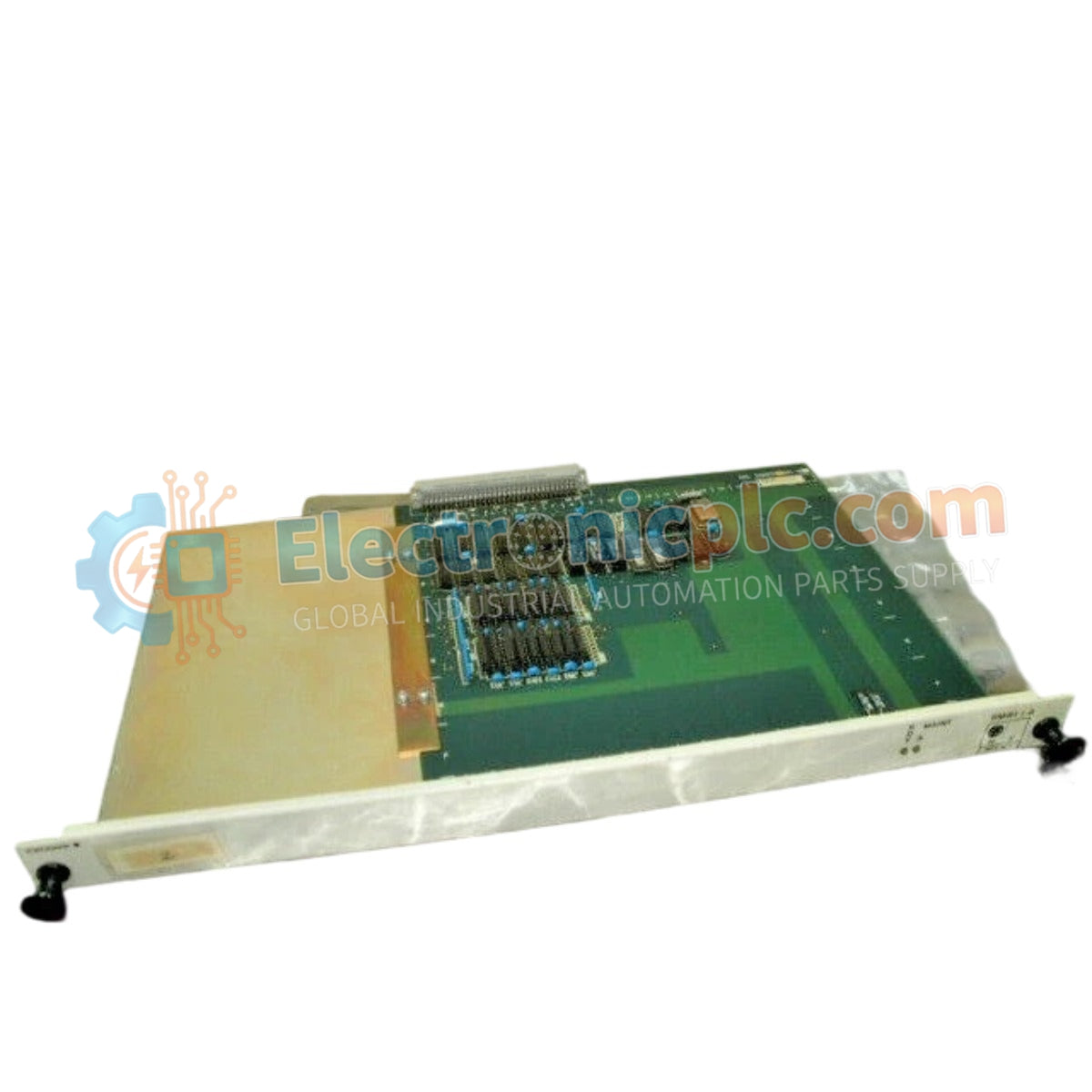
تم تكوين YOKOGAWA RM81*A (وحدة تحكم منطقية قابلة للبرمجة RM81*A) لتنفيذ منطق عالي السرعة في هياكل الأتمتة الموزعة، مما يوفر أداءً حسابيًا قويًا وإدارة واجهة مرنة. يعمل مكون الأجهزة هذا كواجهة معالجة أساسية تُستخدم لتنفيذ خوارزميات التحكم في الوقت الفعلي وإدارة تدفقات بيانات الإدخال/الإخراج عبر هياكل الشبكة الصناعية.
| المعلمة | المواصفات |
|---|---|
| النموذج | RM81*A |
| العلامة التجارية | YOKOGAWA |
| الأصل | حسب علامة المصنع |
| الوزن | 0.57 كجم |
| الأبعاد | 220 ملم × 210 ملم × 80 ملم |
| درجة حرارة التشغيل | -40 درجة مئوية إلى +70 درجة مئوية |
| مصدر الطاقة | فولتيات تيار مستمر صناعية قياسية |
| قنوات الإدخال/الإخراج | دعم متعدد القنوات التناظرية والرقمية |
| البروتوكولات | إيثرنت، RS232، RS485 |
تم تصميم RM81*A للاستجابة في الوقت الفعلي، وتتميز بمعالج عالي السرعة قادر على التعامل مع تسلسلات التحكم المعقدة بأقل تذبذب في التنفيذ. تدعم الذاكرة المدمجة للوحدة تسجيل البيانات المحلي وتخزين المعلمات، مما يقلل الاعتماد على الاستقصاء المستمر للشبكة. تضمن مجموعة الاتصالات المتنوعة - التي تدعم Ethernet وRS232 وRS485 - إمكانية ربط الوحدة بالأجهزة التسلسلية التقليدية مع أنظمة التحكم الحديثة القائمة على Ethernet ذات النطاق الترددي العالي. يضمن نطاق درجة حرارة التشغيل الواسع موثوقية طويلة الأجل في البيئات التي تتراوح من درجات الحرارة القصوى الشبيهة بالصحراء إلى مناطق العمليات الصناعية المبردة.
س: كيف يتعامل RM81*A مع اتصالات Ethernet عالية السرعة مقارنة بالبروتوكولات التسلسلية؟
ج: تم تصميم منفذ Ethernet لتبادل البيانات عالي النطاق الترددي، مثل تحديثات HMI والاتصال بين وحدات التحكم، بينما تم تصميم منافذ RS232/RS485 لدمج الأجهزة الميدانية القديمة. تدير الوحدة هذه الأنواع من حركة المرور من خلال تحديد أولويات الأجهزة الداخلية لمنع ازدحام الشبكة.
س: هل الذاكرة المدمجة محمية ضد فقدان الطاقة؟
ج: تستخدم الوحدة ذاكرة غير متطايرة للتكوين وتخزين المنطق الهام، مما يضمن الاحتفاظ ببرنامج التحكم أثناء دورات الطاقة. ستتطلب سجلات البيانات المخزنة في الذاكرة المتطايرة بطارية مدمجة أو طاقة مدعومة بالمكثفات لتبقى مستمرة أثناء الانقطاعات قصيرة المدى.


