انتقل إلى معلومات المنتج
1 ل 3

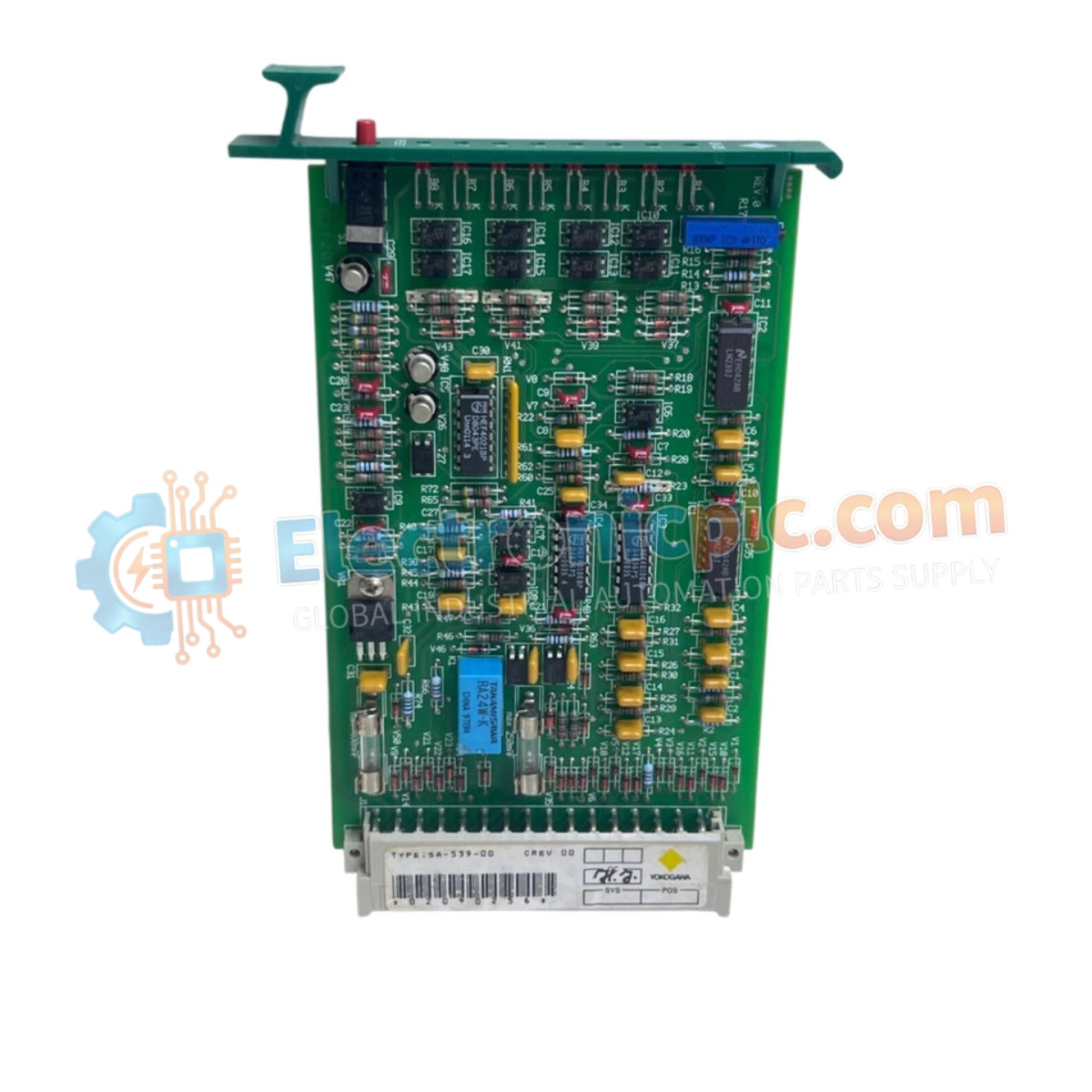
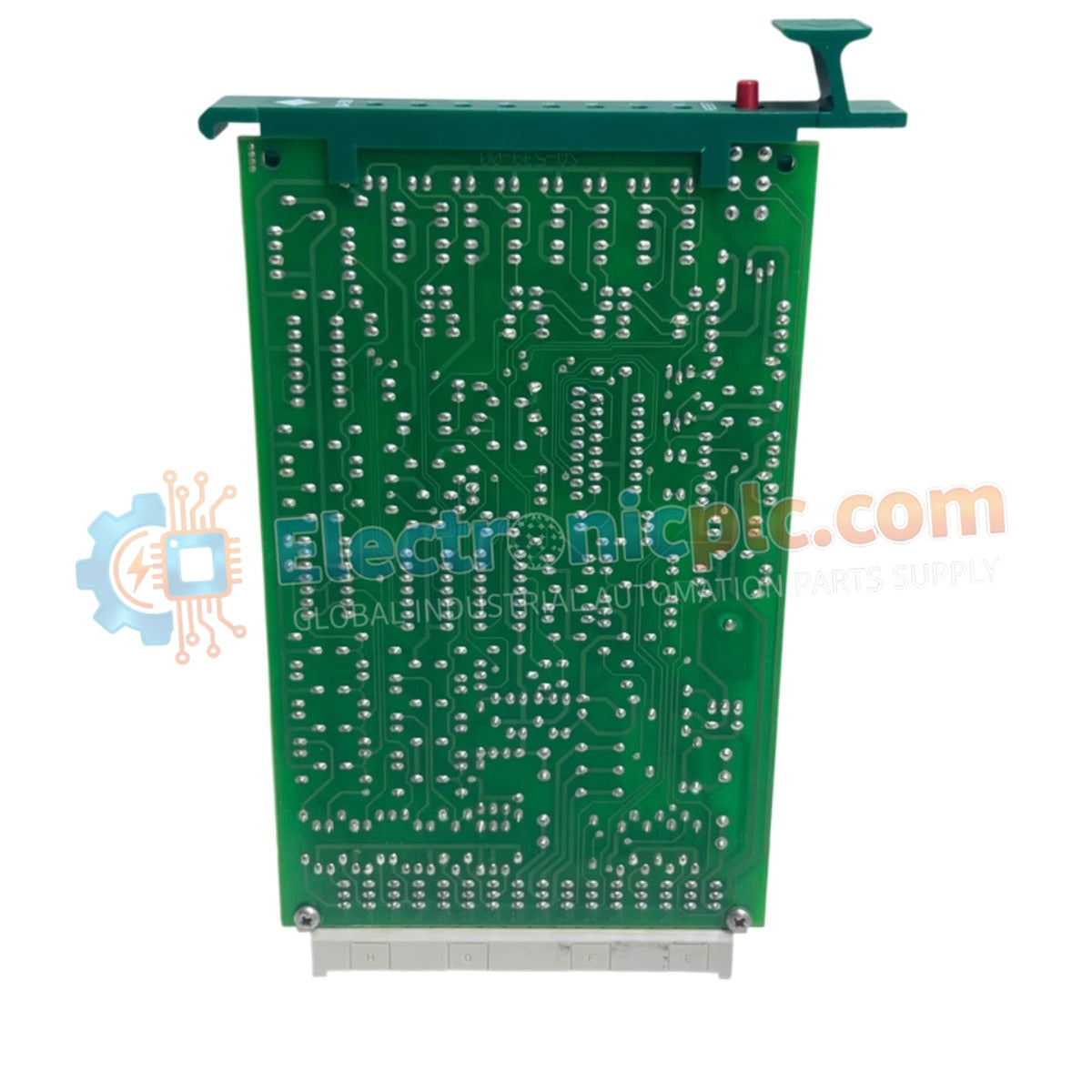
SA-539-00 YOKOGAWA System Fault Alarm Module

SA-539-00 YOKOGAWA System Fault Alarm Module

The YOKOGAWA SA53900, also cataloged as the SA-539-00 System Fault Alarm Module, operates as a dedicated hardware component for monitoring and annunciating system-level diagnostic errors within distributed control and PLC...

18 يشاهد الناس هذا الآن

التوافرفي الأوراق المالية

رمز المنتج: SA-539-00
بائع: Yokogawa

الشحن والإرجاع

توصيل موثوق به في جميع أنحاء العالم

  • شركات الشحن: يتم الشحن عبر DHL أو FedEx أو UPS أو USPS .
  • الشحن: تتم معالجة الطلبات خلال يوم عمل واحد إلى يومين، ويتم شحنها خلال 3 إلى 5 أيام عمل .
  • التتبع: يتم توفير تفاصيل التتبع الكاملة عبر البريد الإلكتروني عند الشحن.

ضمان استرداد الأموال خلال 30 يومًا

  • الضمان: فترة إرجاع لمدة 30 يومًا للمنتجات المتوفرة في المخزون والمغلفة من المصنع.
  • الشروط: يجب أن تكون المنتجات غير مفتوحة وغير مستخدمة وفي عبوتها الأصلية.
  • الأصالة: نضمن أن تكون الأجهزة أصلية 100% .

هل تحتاج إلى مزيد من التفاصيل؟ اقرأ سياسة الشحن وسياسة الاسترداد الكاملة.
الأصالة والضمان

  • ضمان أصلي: نحن نوفر فقط قطع غيار أصلية 100%، جديدة تمامًا، ومغلقة من المصنع .
  • تغطية كاملة: كل مكون مدعوم بضمان شامل لمدة 12 شهرًا من تاريخ الشراء.
  • إمكانية التتبع: جميع المنتجات تأتي مع وثائق المصنع الأصلية والملحقات اللازمة للامتثال الكامل للمعايير الصناعية.

الدعم الفني والتوريد

  • مساعدة الخبراء: يقدم فريقنا الفني استشارات مجانية لمساعدتك في التحقق من التوافق مع أنظمة DCS و PLC.
  • مصادر القطع النادرة: متخصصون في المكونات القديمة والتي يصعب العثور عليها من Allen-Bradley و Siemens و ABB و HIMA وغيرها.
  • للاستفسارات المتعلقة بالكميات الكبيرة: تواصلوا معنا على pambo@5gplc.com للحصول على أسعار الكميات الكبيرة أو عروض أسعار المشاريع المخصصة.
عرض تفاصيل المنتج الكاملة

The YOKOGAWA SA53900, also cataloged as the SA-539-00 System Fault Alarm Module, operates as a dedicated hardware component for monitoring and annunciating system-level diagnostic errors within distributed control and PLC network architectures.

Hardware Specifications

Parameter Specification
Model SA53900 (SA-539-00)
Brand YOKOGAWA
Origin Japan
Weight 0.11 kg (0.24 lbs)
Dimensions Standard Yokogawa module form factor
Operating Temp 0 deg C to 60 deg C
Power Consumption 24 VDC nominal
Channels 1 main channel with 8 sub-alarm inputs
Interface LED status annunciation

System Fault Annunciation and Logic Monitoring

The SA53900 module is engineered to provide immediate visual and electrical feedback regarding system health. By integrating 8 sub-alarm inputs into a single managed channel, the module reduces the complexity of cabinet-level wiring while ensuring that critical faults are registered by the control system logic. The inclusion of front-panel LED indicators is required for rapid diagnostic verification by field maintenance personnel, allowing for immediate identification of fault conditions without needing to access the control system software.

Frequently Asked Questions

Q: Does the SA53900 require external wiring for the 8 sub-alarm inputs?

A: Yes. Each sub-alarm input must be wired from the corresponding system component (e.g., power supply fault relays or chassis temperature sensors) to the module terminals to facilitate centralized fault monitoring.

Q: Is the SA53900 compatible with older Yokogawa control systems?

A: The module is designed for legacy system architectures. Ensure that the backplane voltage and communication protocols are compatible with the specific revision of the control rack before installation.

Field Installation Guidelines

  1. Module Seating: Insert the SA53900 into the designated slot on the system rack. Ensure the module is properly seated to establish electrical contact with the backplane alarm bus.
  2. Wiring: Utilize shielded wiring for alarm inputs to prevent false tripping caused by induced electromagnetic noise. Terminate shields at the cabinet grounding point.
  3. Functional Testing: After installation, verify the operation of the alarm circuit by simulating a fault condition on one of the sub-alarm inputs and confirming that the main channel and status LEDs reflect the state change.
  4. Maintenance: Regularly inspect the LED indicators during routine cabinet maintenance to ensure the module is active and reporting status correctly. Keep the surrounding area free of debris to maintain convective cooling within the enclosure.