
سلة التسوق الخاصة بي
0 عنصرًا
قطع غيار أصلية للأتمتة | توصيل سريع عالمي | ضمان لمدة 12 شهرًا — [احصل على عرض سعر]

Configured for high-speed signal distribution within distributed control networks, the Yokogawa SB301 (SB301 Interface Module) provides the physical communication link required to integrate field-side devices into the CENTUM control architecture....
التوافر: الكمية المتبقية: 99
توصيل موثوق به في جميع أنحاء العالم
ضمان استرداد الأموال خلال 30 يومًا
هل تحتاج إلى مزيد من التفاصيل؟ اقرأ سياسة الشحن وسياسة الاسترداد الكاملة.


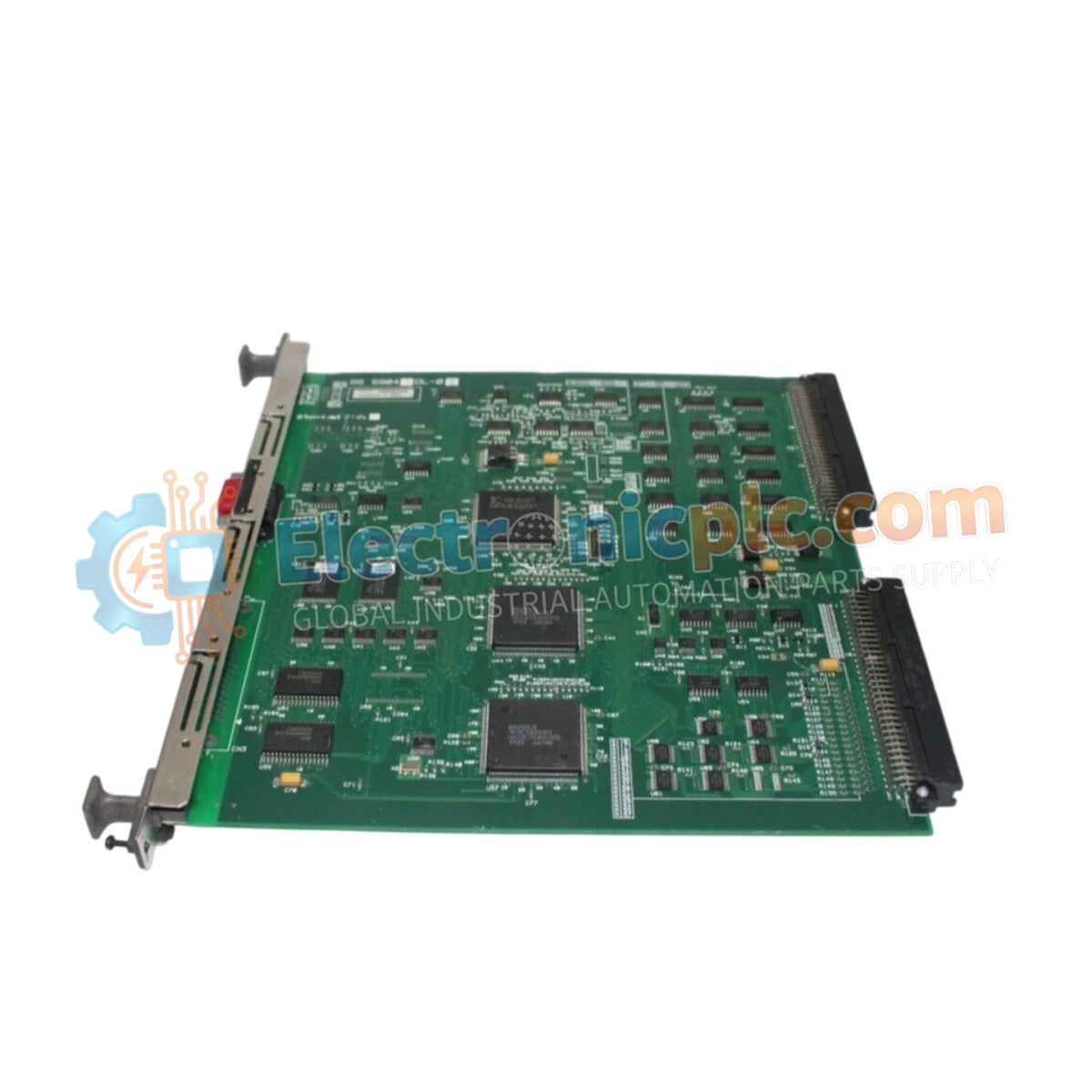
Configured for high-speed signal distribution within distributed control networks, the Yokogawa SB301 (SB301 Interface Module) provides the physical communication link required to integrate field-side devices into the CENTUM control architecture. This module serves as the primary interface utilized to execute data synchronization and signal routing across Yokogawa CENTUM CS and CENTUM VP platforms.
| Parameter | Specification |
|---|---|
| Model | SB301 |
| Brand | Yokogawa |
| Origin | Japan |
| Weight | 0.3 kg |
| Dimensions | 2.5 cm x 26.2 cm x 24.9 cm |
| Operating Temp | 0 to 60 deg C |
| Power Consumption | 3 W (typical) |
| Interface Type | System Communication Bus |
The SB301 integrates into the DCS architecture to support deterministic communication, ensuring that data packets are processed with minimal latency. The module employs channel-to-channel isolation to decouple the internal backplane bus from external field-interface signals, effectively preventing common-mode noise propagation. Its architecture facilitates robust I/O density scaling, allowing for seamless integration into multi-node control systems while maintaining consistent communication handshake timing.
Q: Does the SB301 support hot-swapping while the rack is powered?
A: No, system power must be isolated or the specific slot disabled via the configuration utility before module removal to avoid potential backplane communication faults.
Q: Is this module compatible with existing CENTUM CS field wiring?
A: Yes, the SB301 is designed for backward compatibility with CENTUM CS infrastructure, provided the system configuration is updated to recognize the specific module revision.


