
سلة التسوق الخاصة بي
0 عنصرًا
قطع غيار أصلية للأتمتة | توصيل سريع عالمي | ضمان لمدة 12 شهرًا — [احصل على عرض سعر]

تُعد Yokogawa SB401-11 S1 (وحدة واجهة الرقيق لناقل ESB طراز SB401-11 S1) واجهة اتصالات عالية الأداء مصممة للتكامل داخل أنظمة التحكم الموزعة. وتعمل هذه الوحدة كحلقة وصل حاسمة بين وحدة...
التوافر: الكمية المتبقية: 99
توصيل موثوق به في جميع أنحاء العالم
ضمان استرداد الأموال خلال 30 يومًا
هل تحتاج إلى مزيد من التفاصيل؟ اقرأ سياسة الشحن وسياسة الاسترداد الكاملة.
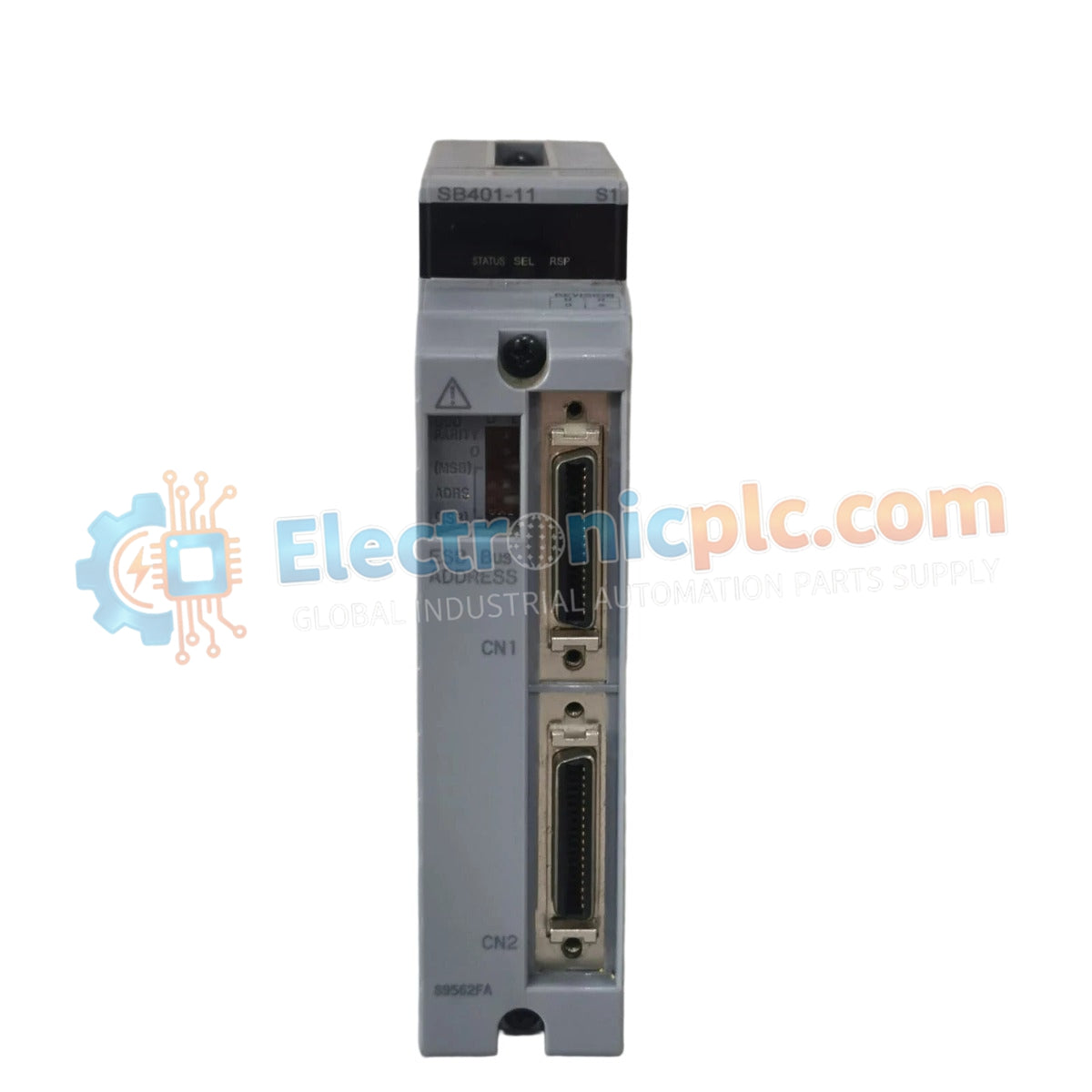

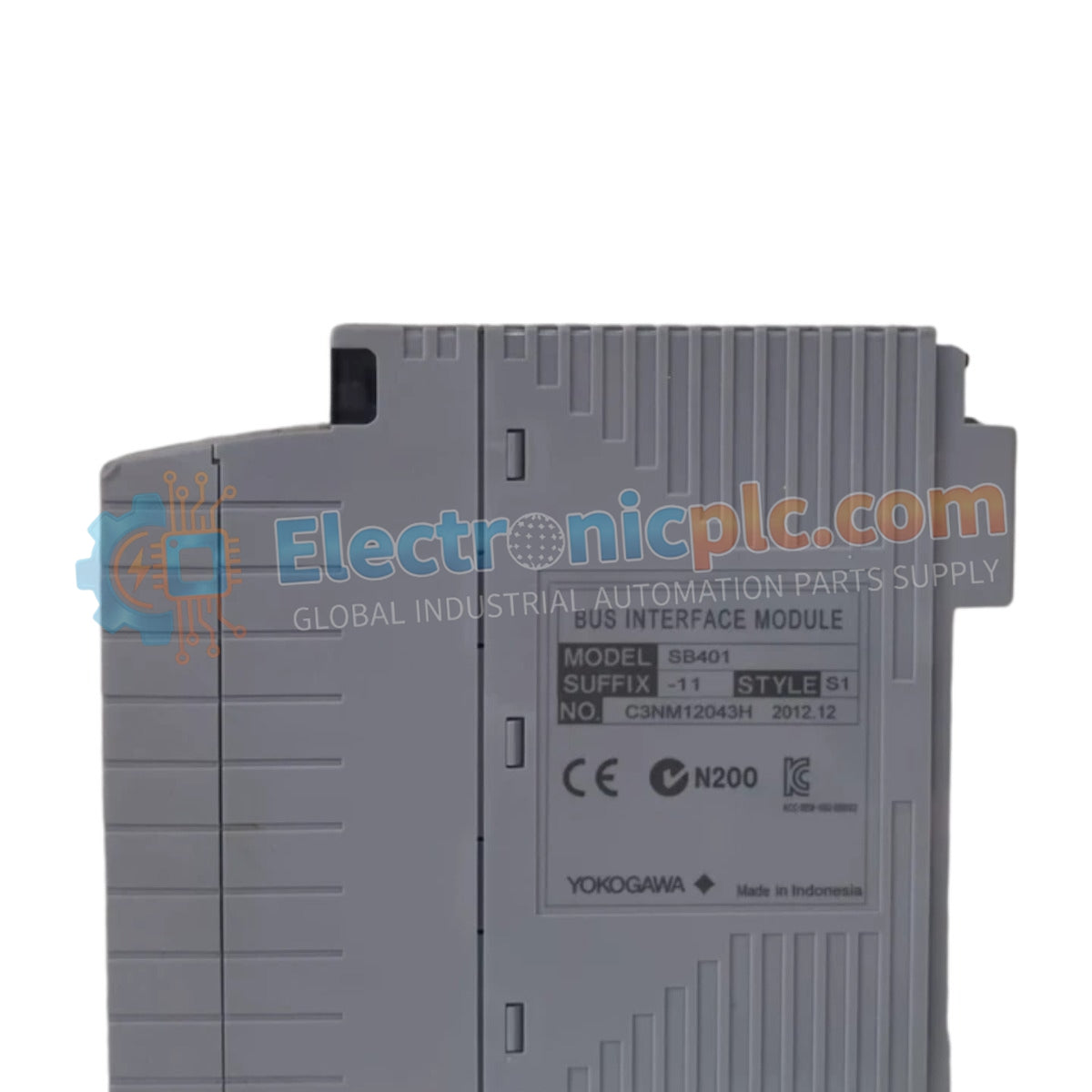
تُعد Yokogawa SB401-11 S1 (وحدة واجهة الرقيق لناقل ESB طراز SB401-11 S1) واجهة اتصالات عالية الأداء مصممة للتكامل داخل أنظمة التحكم الموزعة. وتعمل هذه الوحدة كحلقة وصل حاسمة بين وحدة التحكم الميداني (FCU) والأنظمة الفرعية للإدخال/الإخراج عن بُعد، مما يسهل مزامنة البيانات وتوجيه الأوامر عبر بنية الناقل القياسي الموسع (ESB) في منصات Yokogawa CENTUM المطورة.
يحدد الرمز SB401-11 S1 مراجعة متقدمة للأجهزة من سلسلة SB401-11. وتشير اللاحقة "S1" إلى تحسين في منطق الاتصال باللوحة الخلفية، مما يوفر استقرارًا محسنًا للإشارة وتوافقًا معززًا مع برامج التحكم الحديثة الثابتة التي تتطلب إنتاجية أعلى للناقل لتكوينات الشبكة ذات التكرار المزدوج.
| المعلمة | المواصفات |
|---|---|
| الموديل | SB401-11 S1 |
| العلامة التجارية | يوكوجاوا |
| المنشأ | اليابان |
| الوزن | 0.5 كجم |
| الأبعاد | 2.5 سم × 12.7 سم × 12.7 سم |
| درجة حرارة التشغيل | 0 إلى 60 درجة مئوية |
| استهلاك الطاقة | 4 واط (نموذجي) |
| نوع الواجهة | رقيق ناقل ESB (منفذ واحد) |
تتكامل الوحدة SB401-11 S1 في بنية DCS لتوفير اتصال حتمي بين معالج التحكم وعُقد الإدخال/الإخراج عن بُعد. تم تصميم الوحدة خصيصًا لبيئات ناقل ESB ذات التكرار المزدوج، وتدعم توفر البيانات بشكل مستمر، مما يضمن أنه إذا واجه رابط اتصال أساسي عطلًا، فإن النظام يحافظ على تبادل بيانات مستقر. يتضمن تصميمها عزلًا بين القنوات لفك اقتران ناقل ESB عن الضوضاء الكهربائية على جانب المجال، مما يمنع فروق الجهد الأرضي من التأثير على سلامة تدفق البيانات.
س: هل الوحدة SB401-11 S1 متوافقة مع الإصدارات السابقة للوحدة القياسية SB401-11؟
ج: في معظم تكوينات CENTUM VP، تعمل مراجعة S1 كترقية وظيفية؛ ومع ذلك، تحقق من أن برنامج محطة هندسة نظام التحكم والبرامج الثابتة لوحدة التحكم تدعم صراحة مراجعة S1 للخانة المستهدفة.
س: هل تتطلب هذه الوحدة إعدادات إنهاء محددة للناقل؟
ج: نعم، إنهاء الناقل المناسب إلزامي عند الأطراف الفعلية لقطاع ناقل ESB لمنع انعكاسات الإشارة وضمان استقرار الشبكة على المدى الطويل في البيئات المتكررة.


