انتقل إلى معلومات المنتج
1 ل 1

SSB401-11 YOKOGAWA Bus Interface Module | New & Original Stock

SSB401-11 YOKOGAWA Bus Interface Module | New & Original Stock

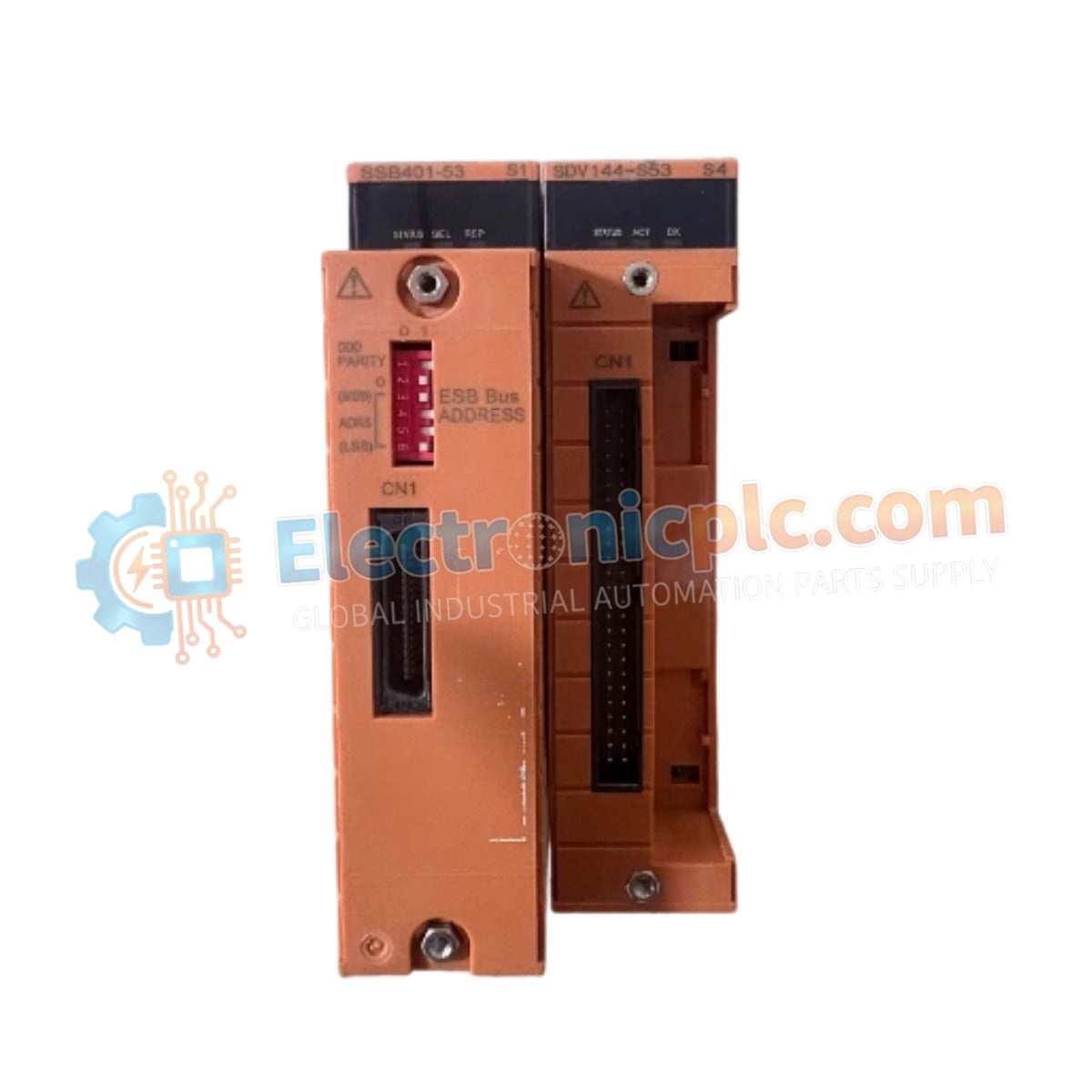
The YOKOGAWA SSB401-11 is a high-performance bus interface module engineered for the CENTUM CS3000 distributed control system. It serves as a critical communication bridge, ensuring stable and deterministic data exchange...

23 يشاهد الناس هذا الآن

التوافرالكمية المتبقية: 99

رمز المنتج: SSB401-11
بائع: Yokogawa
Related Series:

الشحن والإرجاع

توصيل موثوق به في جميع أنحاء العالم

  • شركات الشحن: يتم الشحن عبر DHL أو FedEx أو UPS أو USPS .
  • الشحن: تتم معالجة الطلبات خلال يوم عمل واحد إلى يومين، ويتم شحنها خلال 3 إلى 5 أيام عمل .
  • التتبع: يتم توفير تفاصيل التتبع الكاملة عبر البريد الإلكتروني عند الشحن.

ضمان استرداد الأموال خلال 30 يومًا

  • الضمان: فترة إرجاع لمدة 30 يومًا للمنتجات المتوفرة في المخزون والمغلفة من المصنع.
  • الشروط: يجب أن تكون المنتجات غير مفتوحة وغير مستخدمة وفي عبوتها الأصلية.
  • الأصالة: نضمن أن تكون الأجهزة أصلية 100% .

هل تحتاج إلى مزيد من التفاصيل؟ اقرأ سياسة الشحن وسياسة الاسترداد الكاملة.
الأصالة والضمان

  • ضمان أصلي: نحن نوفر فقط قطع غيار أصلية 100%، جديدة تمامًا، ومغلقة من المصنع .
  • تغطية كاملة: كل مكون مدعوم بضمان شامل لمدة 12 شهرًا من تاريخ الشراء.
  • إمكانية التتبع: جميع المنتجات تأتي مع وثائق المصنع الأصلية والملحقات اللازمة للامتثال الكامل للمعايير الصناعية.

الدعم الفني والتوريد

  • مساعدة الخبراء: يقدم فريقنا الفني استشارات مجانية لمساعدتك في التحقق من التوافق مع أنظمة DCS و PLC.
  • مصادر القطع النادرة: متخصصون في المكونات القديمة والتي يصعب العثور عليها من Allen-Bradley و Siemens و ABB و HIMA وغيرها.
  • للاستفسارات المتعلقة بالكميات الكبيرة: تواصلوا معنا على pambo@5gplc.com للحصول على أسعار الكميات الكبيرة أو عروض أسعار المشاريع المخصصة.
عرض تفاصيل المنتج الكاملة

The YOKOGAWA SSB401-11 is a high-performance bus interface module engineered for the CENTUM CS3000 distributed control system. It serves as a critical communication bridge, ensuring stable and deterministic data exchange between Field Control Stations (FCS) and I/O bus architectures.

Key Features

  • Dual Redundancy: Provides a dual redundant bus interface to ensure maximum system availability and fault tolerance.
  • High-Speed Communication: Supports high-speed data transmission over V-net or Control Bus (ER-Bus) architectures.
  • Integration Capability: Enables seamless, reliable integration with remote I/O subsystems.
  • Maintainability: Features a hot-swappable design, allowing for module replacement without requiring system shutdown.

Technical Specifications

Parameter Specification
Model SSB401-11
System Compatibility CENTUM CS3000 R3 and later
Bus Type Dual redundant V-net/IP or Control Bus (ER-Bus)
Transmission Speed Up to 1 Gbps (V-net/IP)
Connection Capacity Up to 16 remote I/O nodes per module
Redundancy Failover < 50 milliseconds
Operating Temp 0°C to 55°C
Power Supply 24 V DC (±10% tolerance)
Power Consumption ~25 W
Isolation Voltage 500 V AC
Form Factor 4HP slot width (19-inch rack compatible)

System Connectivity and Failover Performance

The SSB401-11 module is designed to maintain control network integrity by utilizing a dual-redundant architecture. In the event of a primary bus failure, the module initiates a failover to the secondary bus in less than 50 milliseconds, ensuring that critical process control loops remain uninterrupted. Its robust isolation design protects internal logic circuits from field-side electrical surges and noise, which is essential in large-scale industrial deployments.

Frequently Asked Questions

Q: Does the SSB401-11 support online maintenance?

A: Yes, the module features a hot-swappable design, allowing for removal and replacement during operation to minimize system downtime.

Q: Is this module compatible with systems earlier than CENTUM CS3000 R3?

A: The SSB401-11 is specifically optimized for CENTUM CS3000 R3 and subsequent versions. Compatibility with legacy versions should be verified against your specific system hardware configuration.

Field Installation Guidelines

  1. Ensure that the cabinet environment adheres to the 0°C to 55°C temperature range for optimal performance.
  2. Align the module with the 4HP slot guide rails on the rack; slide in smoothly until the connector pins are fully engaged with the backplane.
  3. Secure the module using the front-panel locking screws to ensure physical stability against mechanical vibration.
  4. Verify the 24 V DC power connection; ensure the supply is stable and within the ±10% tolerance range.
  5. After installation, monitor the diagnostic status LEDs on the module front panel to confirm that the redundant bus links are active and the communication status is healthy.