انتقل إلى معلومات المنتج
1 ل 3

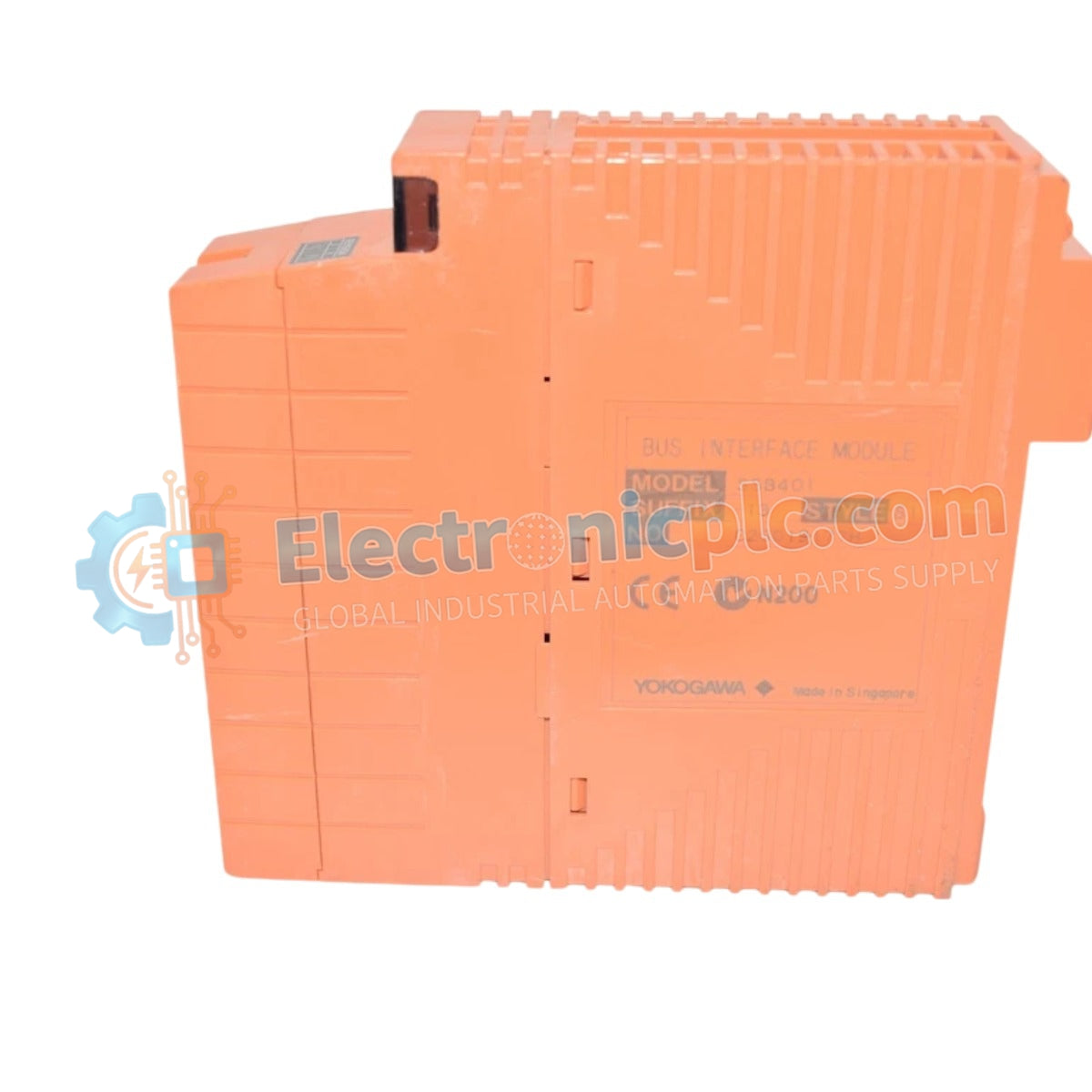
SSB401-13 Yokogawa Optical ESB Bus Repeater New & Original Stock

SSB401-13 Yokogawa Optical ESB Bus Repeater New & Original Stock

The Yokogawa SSB401-13 (SSB401-13 Optical ESB Bus Repeater Module) operates as a dedicated hardware component for extending the physical reach of the Extended Standard Bus (ESB) within distributed control systems....

25 يشاهد الناس هذا الآن

التوافرالكمية المتبقية: 99

رمز المنتج: SSB401-13
بائع: Yokogawa

الشحن والإرجاع

توصيل موثوق به في جميع أنحاء العالم

  • شركات الشحن: يتم الشحن عبر DHL أو FedEx أو UPS أو USPS .
  • الشحن: تتم معالجة الطلبات خلال يوم عمل واحد إلى يومين، ويتم شحنها خلال 3 إلى 5 أيام عمل .
  • التتبع: يتم توفير تفاصيل التتبع الكاملة عبر البريد الإلكتروني عند الشحن.

ضمان استرداد الأموال خلال 30 يومًا

  • الضمان: فترة إرجاع لمدة 30 يومًا للمنتجات المتوفرة في المخزون والمغلفة من المصنع.
  • الشروط: يجب أن تكون المنتجات غير مفتوحة وغير مستخدمة وفي عبوتها الأصلية.
  • الأصالة: نضمن أن تكون الأجهزة أصلية 100% .

هل تحتاج إلى مزيد من التفاصيل؟ اقرأ سياسة الشحن وسياسة الاسترداد الكاملة.

الأصالة والضمان

  • ضمان أصلي: نحن نوفر فقط قطع غيار أصلية 100%، جديدة تمامًا، ومغلقة من المصنع .
  • تغطية كاملة: كل مكون مدعوم بضمان شامل لمدة 12 شهرًا من تاريخ الشراء.
  • إمكانية التتبع: جميع المنتجات تأتي مع وثائق المصنع الأصلية والملحقات اللازمة للامتثال الكامل للمعايير الصناعية.

الدعم الفني والتوريد

  • مساعدة الخبراء: يقدم فريقنا الفني استشارات مجانية لمساعدتك في التحقق من التوافق مع أنظمة DCS و PLC.
  • مصادر القطع النادرة: متخصصون في المكونات القديمة والتي يصعب العثور عليها من Allen-Bradley و Siemens و ABB و HIMA وغيرها.
  • للاستفسارات المتعلقة بالكميات الكبيرة: تواصلوا معنا على pambo@5gplc.com للحصول على أسعار الكميات الكبيرة أو عروض أسعار المشاريع المخصصة.
عرض تفاصيل المنتج الكاملة

The Yokogawa SSB401-13 (SSB401-13 Optical ESB Bus Repeater Module) operates as a dedicated hardware component for extending the physical reach of the Extended Standard Bus (ESB) within distributed control systems. This module serves as the primary interface utilized to execute optical signal conversion and data transmission across high-EMI industrial environments, ensuring reliable communication between remote I/O nodes and the control processor.

Hardware Specifications

Parameter Specification
Model SSB401-13
Brand Yokogawa
Origin Japan
Weight 0.9 kg
Dimensions 5.1 cm x 20.3 cm x 14.6 cm
Operating Temp 0 to 60 deg C
Power Consumption 6 W (typical)
Interface Type Optical ESB Bus

DCS Process Control Features

The SSB401-13 integrates into the DCS architecture to provide robust signal isolation between control station segments. By converting electrical bus signals into optical pulses, the module effectively eliminates ground potential differences and common-mode noise issues that occur across long-distance copper cabling. This design ensures deterministic communication latency, which is required for high-speed I/O processing in large-scale CENTUM control networks. The module also supports firmware flash compatibility, allowing for updates to maintain timing synchronization as system configurations evolve.

Frequently Asked Questions

Q: Does the optical signal conversion introduce significant latency to the ESB bus?

A: The SSB401-13 is engineered for minimal propagation delay, ensuring that overall bus timing remains within the strict parameters defined for the CENTUM ESB architecture.

Q: Is this module capable of driving multimode optical fiber over long distances?

A: The module is designed for standard industrial fiber-optic link lengths; verify the specific optical power budget against the installed fiber plant before commissioning.

Field Installation Guidelines

  1. Mount the module securely to the DIN rail within an instrument cabinet, ensuring proper spacing for thermal heat dissipation.
  2. Carefully clean all optical fiber connector ferrules with approved lint-free wipes and solvent before mating to the transceiver ports to prevent signal attenuation.
  3. Secure the fiber-optic cabling with appropriate strain relief to prevent mechanical stress on the module’s optical ports.
  4. Route optical cables through dedicated conduits, ensuring a minimum bend radius is maintained to prevent micro-bending signal loss.
  5. Verify the optical link status using the module's front-panel LED indicators immediately after powering the unit to confirm a successful handshake with the remote repeater node.