
سلة التسوق الخاصة بي
0 عنصرًا
قطع غيار أصلية للأتمتة | توصيل سريع عالمي | ضمان لمدة 12 شهرًا — [احصل على عرض سعر]

تم تكوينه لتنفيذ منطق السلامة عالي التكامل في معماريات SIS، توفر وحدة Yokogawa SSC50D-F2521 (وحدة التحكم في السلامة SSC50D-F2521) معالجة مادية وكهربائية مباشرة للمهام الحرجة للسلامة ضمن منصات ProSafe-RS.
التوافر: في الأوراق المالية
توصيل موثوق به في جميع أنحاء العالم
ضمان استرداد الأموال خلال 30 يومًا
هل تحتاج إلى مزيد من التفاصيل؟ اقرأ سياسة الشحن وسياسة الاسترداد الكاملة.


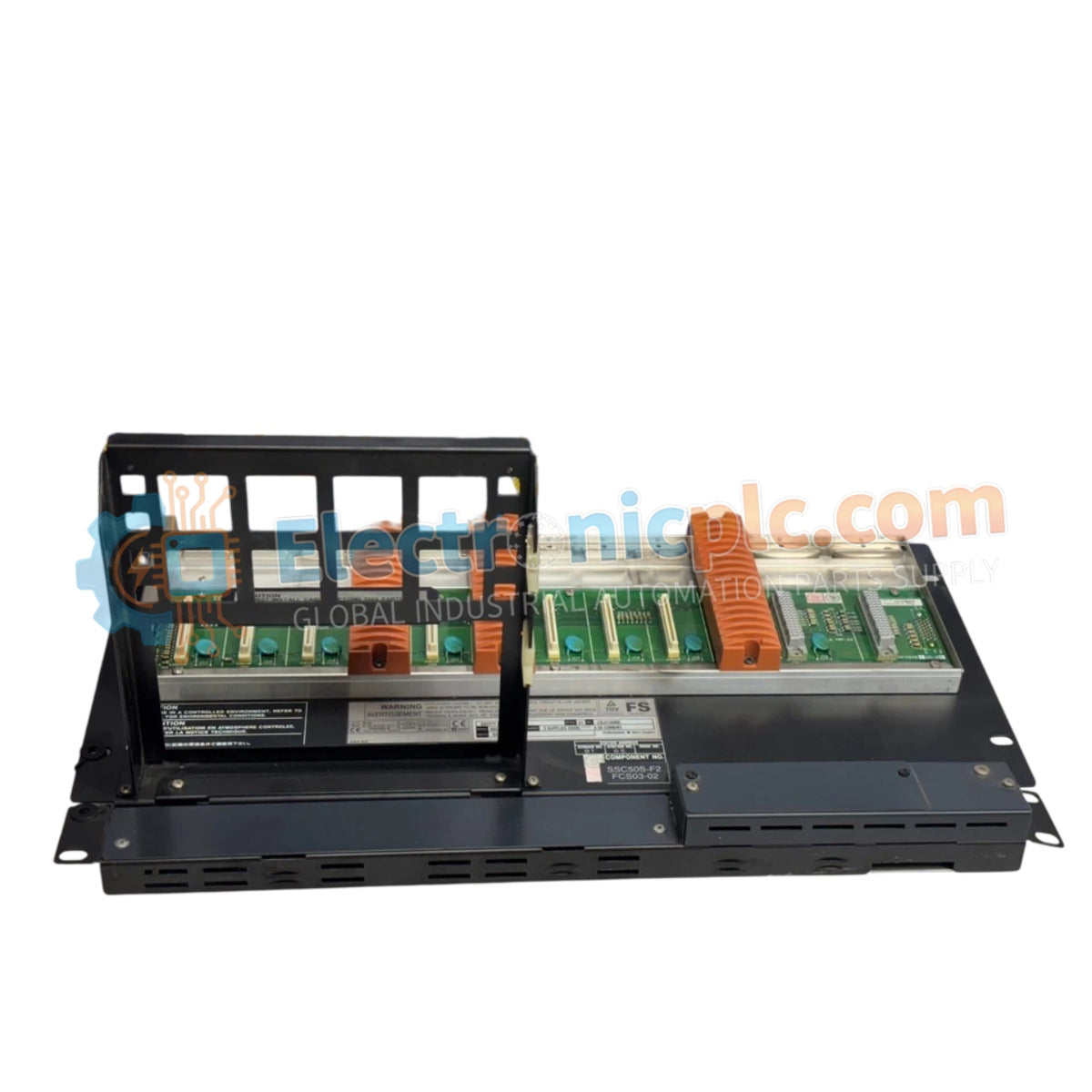
تم تكوينه لتنفيذ منطق السلامة عالي التكامل في معماريات SIS، توفر وحدة Yokogawa SSC50D-F2521 (وحدة التحكم في السلامة SSC50D-F2521) معالجة مادية وكهربائية مباشرة للمهام الحرجة للسلامة ضمن منصات ProSafe-RS.
| اللاحقة | الوصف |
|---|---|
| SSC50D | وحدة التحكم الأساسية المزدوجة للسلامة |
| -F2521 | التكوين: طاقة احتياطية مزدوجة، 24 فولت تيار مستمر، غير قابلة للانفجار (Non-Ex)، رخصة أمان متضمنة |
| المعلمة | المواصفات |
|---|---|
| النموذج | SSC50D-F2521 |
| العلامة التجارية | يوكوجاوا |
| الأصل | اليابان |
| الوزن | 5 كجم |
| الأبعاد | غلاف صناعي قياسي |
| درجة حرارة التشغيل | -20 درجة مئوية إلى +40 درجة مئوية (متوافقة مع ISA G3) |
| استهلاك الطاقة | 24 فولت تيار مستمر مزدوج الاحتياطي |
| الاتصالات | Vnet/IP |
| سلامة التكامل | متوافقة مع IEC 61508 |
| توسيع العقدة | ما يصل إلى 9 عقد سلامة |
تستخدم وحدة SSC50D-F2521 بنية عالية الموثوقية مصممة لدعم متطلبات شهادة SIL3. يستخدم النظام بنية التكرار الثلاثي المعياري (TMR) 2oo3 لضمان تنفيذ حالة الفشل الآمن، مما يسمح لوحدة التحكم بالحفاظ على تكامل المنطق حتى في حالة وجود عطل في نقطة واحدة بالجهاز. يتم تطبيق العزل الجلفاني عبر جميع مسارات الإدخال/الإخراج الهامة لفصل الدوائر الحرجة للسلامة عن الضوضاء الجانبية، مما يضمن بقاء وظيفة السلامة غير معرضة للخطر بسبب حلقات التأريض أو التداخل الكهرومغناطيسي النمط المشترك أثناء عابرات العملية.
س: هل يمكن ترقية وحدة التحكم SSC50D-F2521 لدعم عقد الإدخال/الإخراج الإضافية في المستقبل؟
ج: تدعم وحدة التحكم ما يصل إلى 9 وحدات عقدة سلامة. التوسع محدود بتكوين النظام الحالي والترخيص؛ تأكد من أن ترخيص وظيفة التحكم (CFS1100) يدعم عدد العقد الموسع قبل تعديل بنية الأجهزة.
س: كيف تتعامل البنية المزدوجة مع زمن تبديل التأخير أثناء العطل؟
ج: تتم مزامنة المعالجات الاحتياطية عبر ناقل داخلي عالي السرعة. يتم إدارة التبديل إلى المعالج الثانوي بواسطة منطق أجهزة مخصص مصمم للحفاظ على اتساق حالة الإخراج، مع بقاء زمن التأخير أقل بكثير من الحد الأدنى لتشغيل إغلاق سلامة العملية.


