انتقل إلى معلومات المنتج
1 ل 3

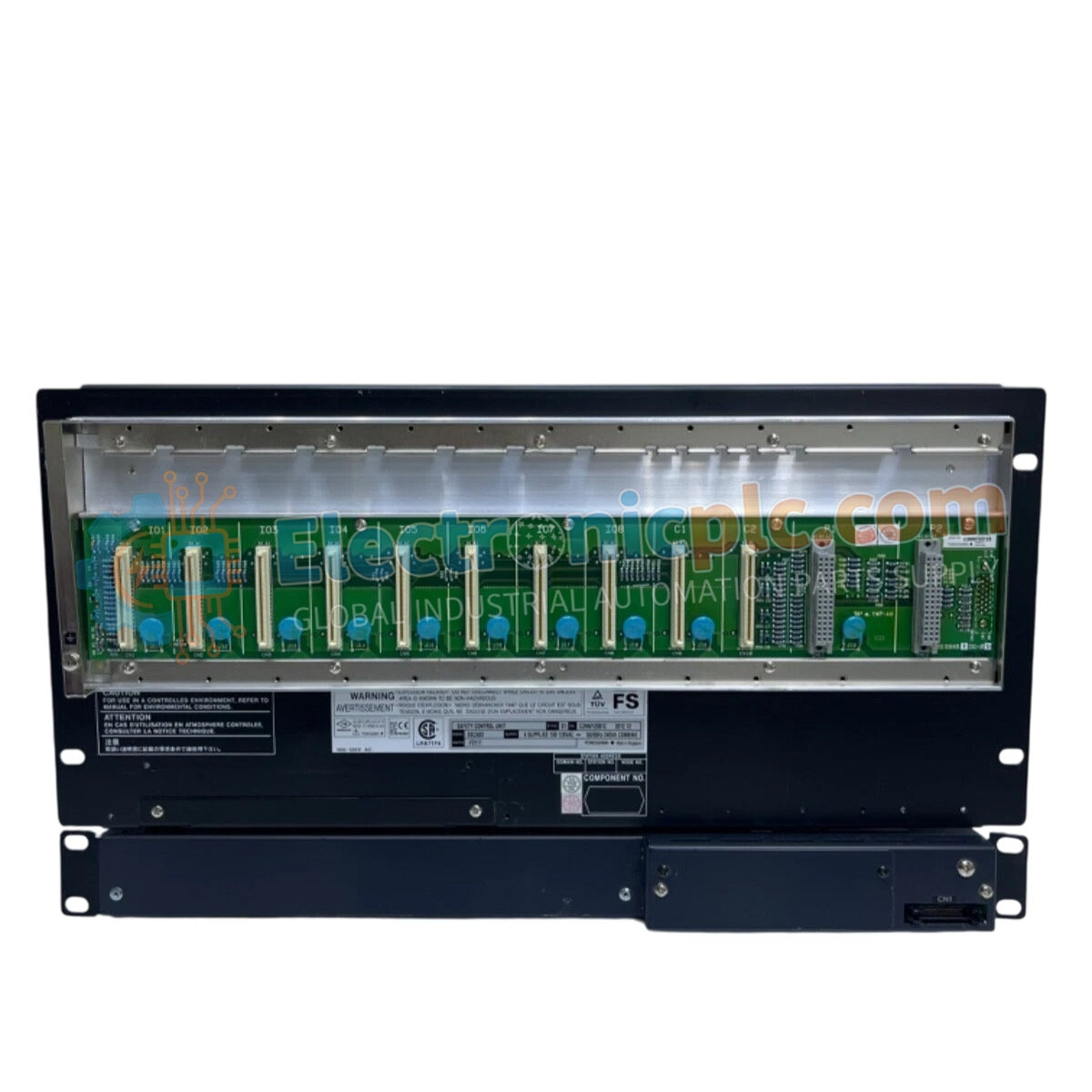
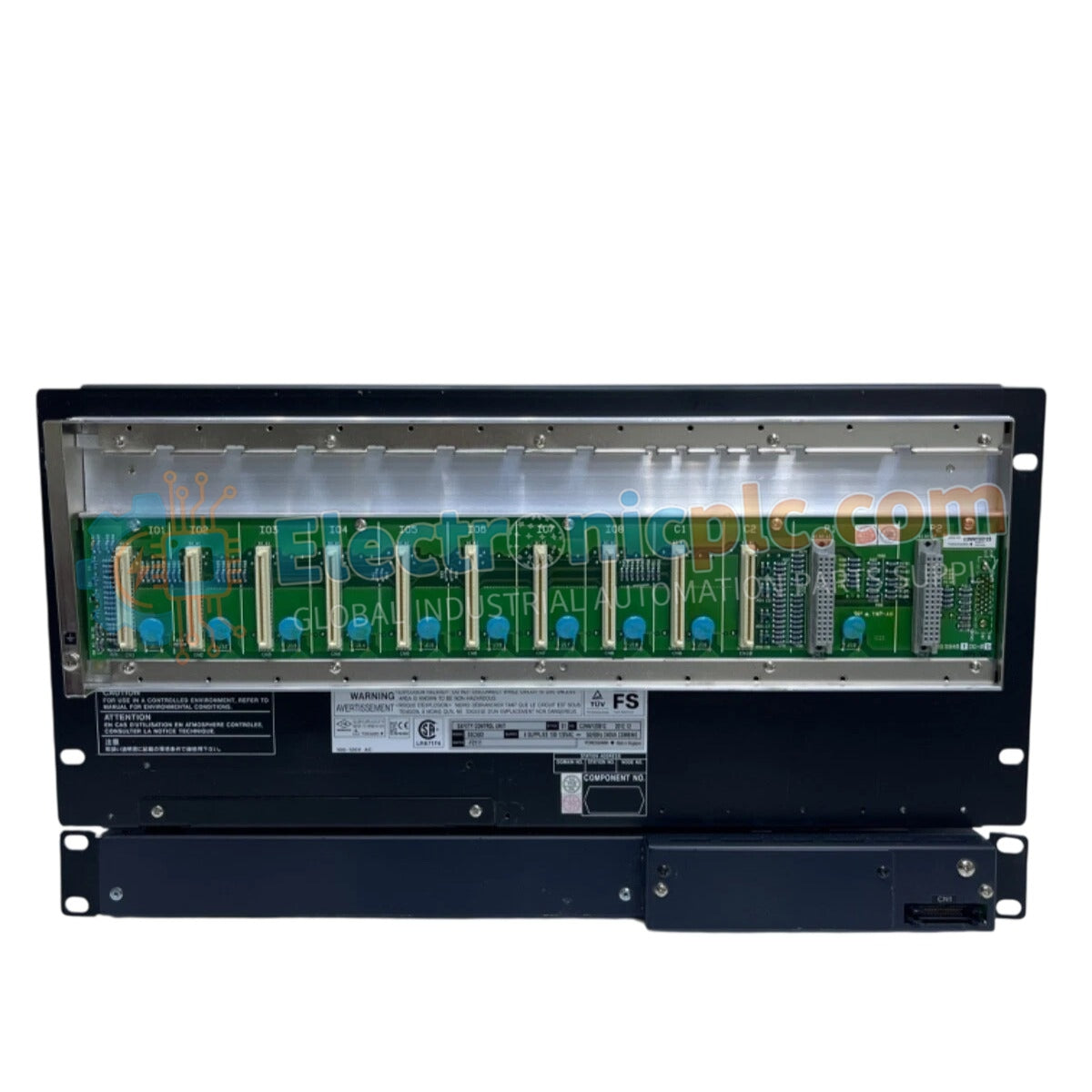
SSC50D-S2111 YOKOGAWA Duplexed Safety Control Unit

SSC50D-S2111 YOKOGAWA Duplexed Safety Control Unit

The YOKOGAWA SSC50D-S2111, also cataloged as the SSC50D Safety Control Unit, operates as a dedicated hardware component for high-integrity logic execution and process safety management within ProSafe-RS SIS platforms.

Suffix...

20 يشاهد الناس هذا الآن

التوافرالكمية المتبقية: 99

رمز المنتج: SSC50D-S2111
بائع: Yokogawa

الشحن والإرجاع

توصيل موثوق به في جميع أنحاء العالم

  • شركات الشحن: يتم الشحن عبر DHL أو FedEx أو UPS أو USPS .
  • الشحن: تتم معالجة الطلبات خلال يوم عمل واحد إلى يومين، ويتم شحنها خلال 3 إلى 5 أيام عمل .
  • التتبع: يتم توفير تفاصيل التتبع الكاملة عبر البريد الإلكتروني عند الشحن.

ضمان استرداد الأموال خلال 30 يومًا

  • الضمان: فترة إرجاع لمدة 30 يومًا للمنتجات المتوفرة في المخزون والمغلفة من المصنع.
  • الشروط: يجب أن تكون المنتجات غير مفتوحة وغير مستخدمة وفي عبوتها الأصلية.
  • الأصالة: نضمن أن تكون الأجهزة أصلية 100% .

هل تحتاج إلى مزيد من التفاصيل؟ اقرأ سياسة الشحن وسياسة الاسترداد الكاملة.
الأصالة والضمان

  • ضمان أصلي: نحن نوفر فقط قطع غيار أصلية 100%، جديدة تمامًا، ومغلقة من المصنع .
  • تغطية كاملة: كل مكون مدعوم بضمان شامل لمدة 12 شهرًا من تاريخ الشراء.
  • إمكانية التتبع: جميع المنتجات تأتي مع وثائق المصنع الأصلية والملحقات اللازمة للامتثال الكامل للمعايير الصناعية.

الدعم الفني والتوريد

  • مساعدة الخبراء: يقدم فريقنا الفني استشارات مجانية لمساعدتك في التحقق من التوافق مع أنظمة DCS و PLC.
  • مصادر القطع النادرة: متخصصون في المكونات القديمة والتي يصعب العثور عليها من Allen-Bradley و Siemens و ABB و HIMA وغيرها.
  • للاستفسارات المتعلقة بالكميات الكبيرة: تواصلوا معنا على pambo@5gplc.com للحصول على أسعار الكميات الكبيرة أو عروض أسعار المشاريع المخصصة.
عرض تفاصيل المنتج الكاملة

The YOKOGAWA SSC50D-S2111, also cataloged as the SSC50D Safety Control Unit, operates as a dedicated hardware component for high-integrity logic execution and process safety management within ProSafe-RS SIS platforms.

Suffix Breakdown & Model Matrix

  • SSC50D: Base model identifier for the duplexed safety control unit.
  • S2: Denotes the hardware revision and system integration standard.
  • 111: Specifies the communication port configuration and redundant processor synchronization parameters.

Hardware Specifications

Parameter Specification
Model SSC50D-S2111
Brand YOKOGAWA
Origin Japan
Weight  3.0 kg
Dimensions Standard Rack-Mount Format
Operating Temp 5 deg C to 40 deg C
Power Consumption Subject to redundancy loading

SIS High-Reliability Technical Characteristics

The SSC50D-S2111 is engineered for SIL3 certification compliance, utilizing a triple modular redundancy (TMR) 2oo3 architecture to ensure continuous logic processing even during single-module failure events. The unit provides galvanic isolation for all critical I/O paths, preventing electrical fault propagation between redundant control channels. In the event of an internal diagnostic error, the controller executes fail-safe state execution, driving outputs to a pre-defined safe state to mitigate process hazards. The duplexed architecture allows for synchronized state transition, maintaining deterministic processing speeds across the safety-critical network.

Frequently Asked Questions

Q: Does the SSC50D-S2111 support hot-swapping of the redundant controller pair?

A: Yes, the duplexed architecture allows for hot-swapping a single controller unit while the system remains operational, provided the redundancy state is synchronized and the host safety station is not in an inhibited diagnostic mode.

Q: How is the synchronization maintained between the duplexed units?

A: Synchronization is managed via a high-speed backplane bus, ensuring sub-millisecond data alignment. Any deviation between the duplexed units triggers an immediate diagnostic alert on the safety management station.

Field Installation Guidelines

  1. Backplane Insertion: Align the module carefully with the safety bus backplane. Ensure the mechanical locking levers are fully seated to maintain the integrity of the redundant bus connections.
  2. Earthing Compliance: Secure the chassis to the instrument earth using a low-impedance ground cable. Proper grounding is necessary to minimize common-mode noise and maintain SIL3 reliability ratings.
  3. Wiring Segregation: Route safety-rated signal cables through dedicated, shielded conduits separate from standard control or power wiring to prevent induced interference.
  4. Environment: Install the unit in an environment free from corrosive gases and excessive vibration. Monitor ambient temperatures continuously to ensure operation within the 5 deg C to 40 deg C range.