انتقل إلى معلومات المنتج
1 ل 3

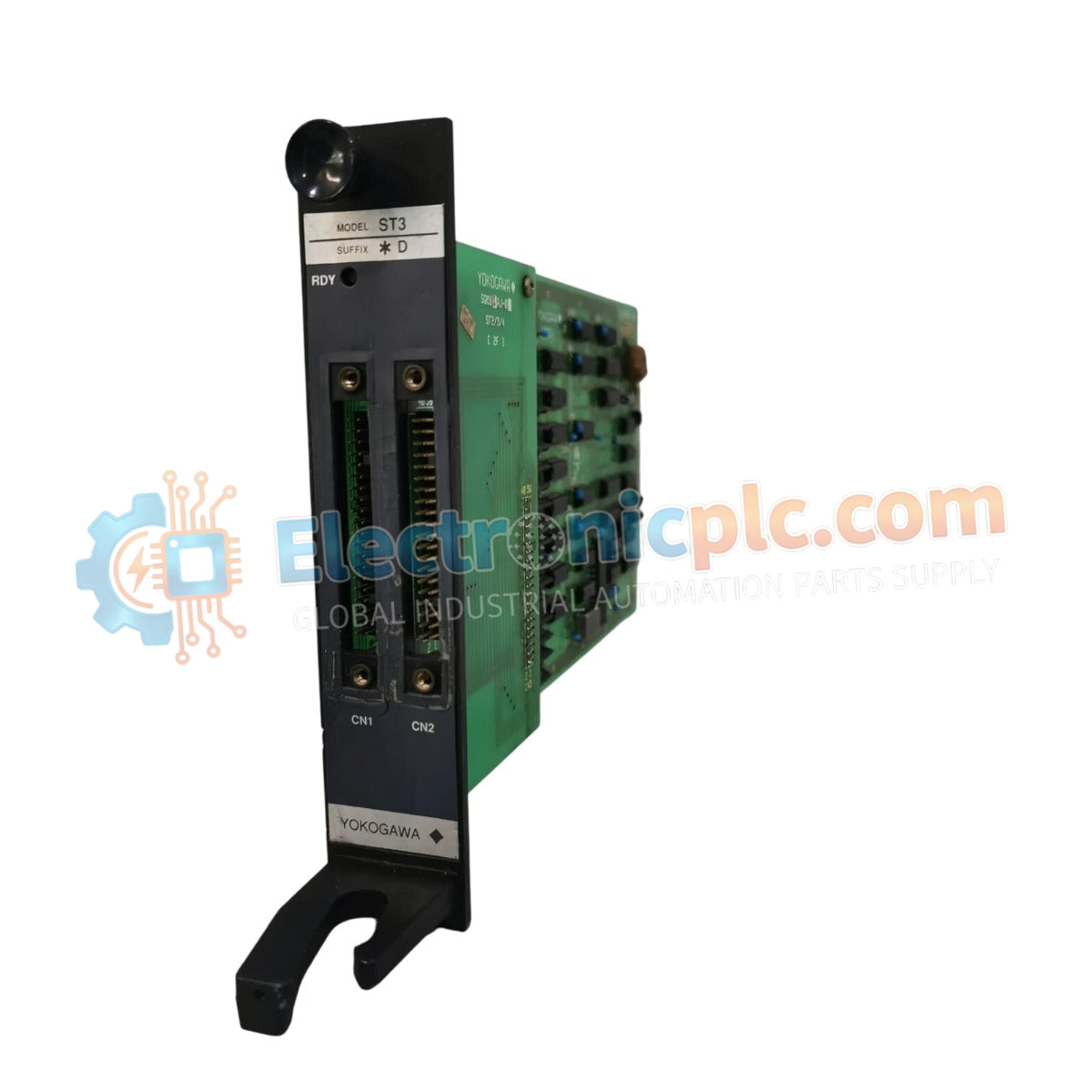
ST3*D Yokogawa Multi Status Input Card

ST3*D Yokogawa Multi Status Input Card

Configured for discrete signal state monitoring in DCS networks, the Yokogawa ST3*D (ST3 Multi Status Input Card) provides direct physical and electrical execution of multi-channel input data acquisition.

Suffix Breakdown...

18 يشاهد الناس هذا الآن

التوافرالكمية المتبقية: 99

رمز المنتج: ST3*D
بائع: Yokogawa

الشحن والإرجاع

توصيل موثوق به في جميع أنحاء العالم

  • شركات الشحن: يتم الشحن عبر DHL أو FedEx أو UPS أو USPS .
  • الشحن: تتم معالجة الطلبات خلال يوم عمل واحد إلى يومين، ويتم شحنها خلال 3 إلى 5 أيام عمل .
  • التتبع: يتم توفير تفاصيل التتبع الكاملة عبر البريد الإلكتروني عند الشحن.

ضمان استرداد الأموال خلال 30 يومًا

  • الضمان: فترة إرجاع لمدة 30 يومًا للمنتجات المتوفرة في المخزون والمغلفة من المصنع.
  • الشروط: يجب أن تكون المنتجات غير مفتوحة وغير مستخدمة وفي عبوتها الأصلية.
  • الأصالة: نضمن أن تكون الأجهزة أصلية 100% .

هل تحتاج إلى مزيد من التفاصيل؟ اقرأ سياسة الشحن وسياسة الاسترداد الكاملة.

الأصالة والضمان

  • ضمان أصلي: نحن نوفر فقط قطع غيار أصلية 100%، جديدة تمامًا، ومغلقة من المصنع .
  • تغطية كاملة: كل مكون مدعوم بضمان شامل لمدة 12 شهرًا من تاريخ الشراء.
  • إمكانية التتبع: جميع المنتجات تأتي مع وثائق المصنع الأصلية والملحقات اللازمة للامتثال الكامل للمعايير الصناعية.

الدعم الفني والتوريد

  • مساعدة الخبراء: يقدم فريقنا الفني استشارات مجانية لمساعدتك في التحقق من التوافق مع أنظمة DCS و PLC.
  • مصادر القطع النادرة: متخصصون في المكونات القديمة والتي يصعب العثور عليها من Allen-Bradley و Siemens و ABB و HIMA وغيرها.
  • للاستفسارات المتعلقة بالكميات الكبيرة: تواصلوا معنا على pambo@5gplc.com للحصول على أسعار الكميات الكبيرة أو عروض أسعار المشاريع المخصصة.
عرض تفاصيل المنتج الكاملة

Configured for discrete signal state monitoring in DCS networks, the Yokogawa ST3*D (ST3 Multi Status Input Card) provides direct physical and electrical execution of multi-channel input data acquisition.

Suffix Breakdown & Model Matrix

The ST3*D is the standard designated configuration for this input series. No additional modular suffix variations are applicable to the primary physical architecture of this specific multi-status input unit.

Hardware Specifications

Parameter Specification
Model ST3*D
Brand Yokogawa
Origin Japan
Weight 0.3 kg
Dimensions 2.5 cm x 17.8 cm x 35.6 cm
Operating Temp 0 to 50 deg C
Power Consumption 5 W (typical)
Input Capacity Multi-channel discrete status monitoring

Process Control and Signal Connectivity

The ST3*D facilitates accurate data ingestion by employing channel-to-channel isolation to suppress common-mode noise across the input array. By utilizing 4-20 mA HART loop protocol compatibility within the input staging area, the card ensures compatibility with modern process instrumentation. Cold junction compensation (CJC) is managed via onboard reference circuits, ensuring that status transitions are accurately digitized without environmental thermal interference.

Frequently Asked Questions

Q: Is the ST3*D compatible with existing Yokogawa CENTUM-XL system backplanes?

A: Yes, this card is designed for integration within standard Yokogawa DCS chassis architectures, provided the firmware and backplane revision support the multi-status input protocols.

Q: Can this card be used to monitor high-speed pulsed digital signals?

A: No. The ST3*D is optimized for standard multi-status and contact monitoring. High-frequency pulse inputs may lead to data aliasing or scanning errors.

Field Installation Guidelines

  • Backplane Engagement: Align the module keying pins with the backplane slots. Apply firm, even pressure to ensure full seating of the connector pins before tightening the retaining screws.
  • Grounding Requirements: Secure the module chassis to the cabinet ground bus. Ensure the ground connection exhibits low impedance to maintain effective shielding of the input circuits.
  • Signal Cabling: Use shielded twisted-pair cables for all status inputs. Ensure the cable shield is terminated at the designated cabinet ground point and not at the field device end to prevent ground loops.
  • Ambient Conditions: Install in a clean, vibration-free cabinet environment. Ensure that convective cooling pathways are not obstructed by cable bundles, maintaining an operating temperature below 50 deg C.