
سلة التسوق الخاصة بي
0 عنصرًا
قطع غيار أصلية للأتمتة | توصيل سريع عالمي | ضمان لمدة 12 شهرًا — [احصل على عرض سعر]

تم تكوين وحدة YOKOGAWA UM210C10AA-2SAN/01S0668 (وحدة تشغيل UM210C) لتنفيذ الخوارزميات عالية الدقة في منصات أنظمة التحكم الموزعة (DCS)، وتوفر معالجة مباشرة للإشارات الفيزيائية وإدارة منطق التحكم. يعمل هذا المكون المادي...
التوافر: الكمية المتبقية: 99
توصيل موثوق به في جميع أنحاء العالم
ضمان استرداد الأموال خلال 30 يومًا
هل تحتاج إلى مزيد من التفاصيل؟ اقرأ سياسة الشحن وسياسة الاسترداد الكاملة.


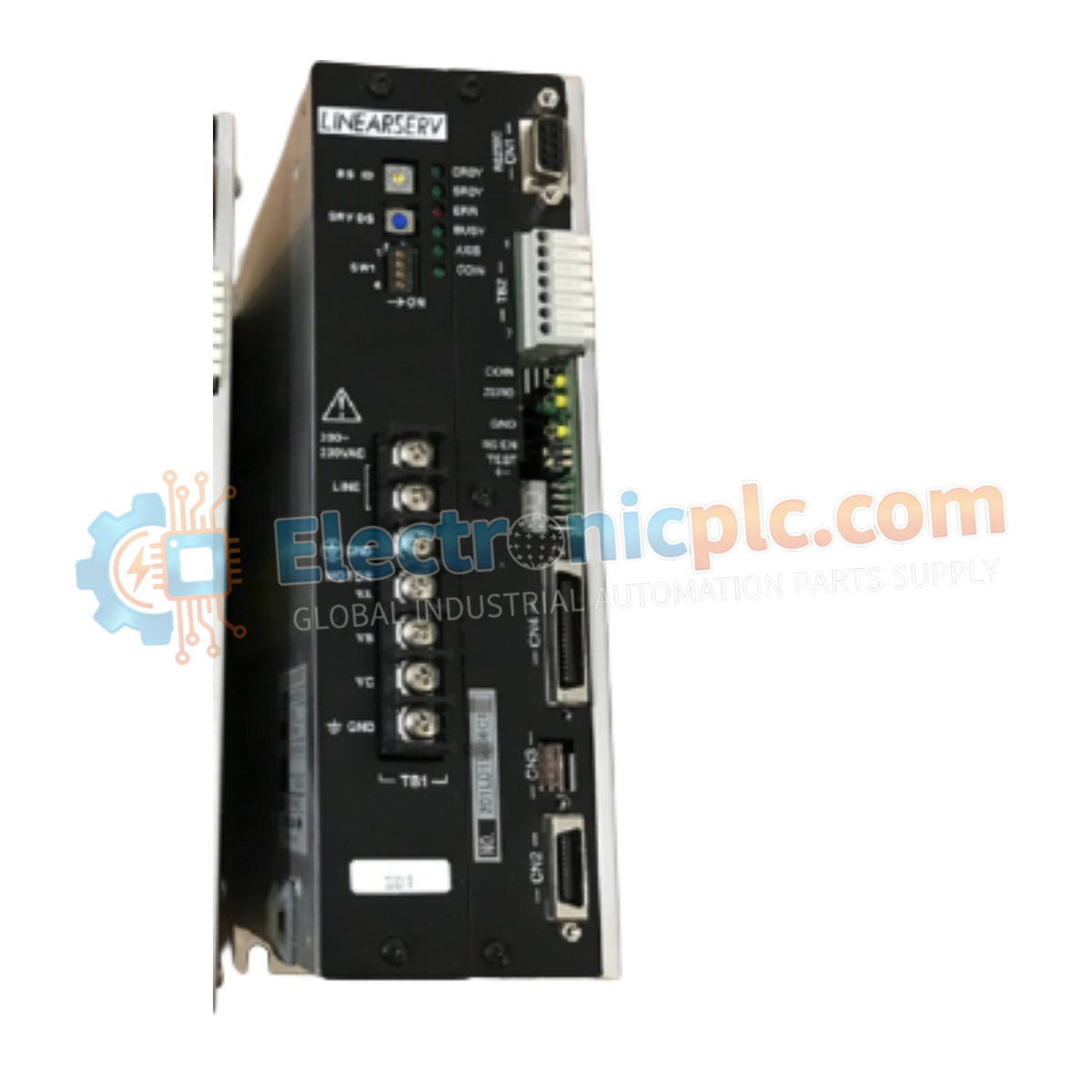
تم تكوين وحدة YOKOGAWA UM210C10AA-2SAN/01S0668 (وحدة تشغيل UM210C) لتنفيذ الخوارزميات عالية الدقة في منصات أنظمة التحكم الموزعة (DCS)، وتوفر معالجة مباشرة للإشارات الفيزيائية وإدارة منطق التحكم. يعمل هذا المكون المادي كواجهة معالجة أساسية تُستخدم لتنفيذ حلقات تحكم معقدة في العمليات عبر بنيات شبكات أنظمة التحكم من يوكوجاوا.
| المعلمة | المواصفات |
|---|---|
| النموذج | UM210C10AA-2SAN/01S0668 |
| العلامة التجارية | YOKOGAWA |
| المنشأ | حسب علامة المصنع |
| الوزن | 1.3 كجم |
| الأبعاد | غير محددة |
| درجة حرارة التشغيل | -10 درجة مئوية إلى +60 درجة مئوية |
| الرطوبة | 10% إلى 90% رطوبة نسبية (غير متكثفة) |
| استهلاك الطاقة | غير محدد |
| الأداء | خوارزميات تحكم عالية الدقة |
تم تصميم UM210C لإدارة حلقات التحكم عالية السرعة، مما يتطلب تشخيصات داخلية قوية وواجهات اتصال مستقرة. في بيئة DCS، تقوم وحدة التشغيل هذه بمعالجة المدخلات التناظرية والرقمية، وتطبيق الخوارزميات لتعديل إشارات الإخراج للمشغلات والمواضع على مستوى الحقل. للحفاظ على الاستقرار، تدعم الوحدة اتصال بروتوكول حلقة HART القياسي 4-20 مللي أمبير، مما يضمن تبادل البيانات بسلاسة وأقل زمن انتقال أثناء دورات التنفيذ. توفر البنية الداخلية عزلًا بين القنوات، مما يقلل من تداخل الوضع المشترك - وهو شرط أساسي للحفاظ على دقة التحكم في البيئات الكهربائية الصناعية.
س: هل يمكن استخدام UM210C10AA-2SAN/01S0668 لتطبيقات السلامة ذات الأهمية الزمنية؟
ج: تم تصميم هذه الوحدة للتحكم في العمليات وتنفيذ الخوارزميات. بينما توفر دقة عالية، إلا أنها ليست وحدة تحكم مخصصة لأنظمة الأمان المبرمجة (SIS). للوظائف الحساسة للسلامة، تأكد من أن التصميم يستخدم أجهزة SIS معتمدة.
س: كيف يتأثر أداء الوحدة عند التشغيل في الحد الأعلى لدرجة الحرارة وهو 60 درجة مئوية؟
ج: قد يؤدي التشغيل عند الحد الحراري الأعلى إلى قيام المكونات الداخلية بتشغيل تقليص حراري لحماية المعالج. تأكد من أن تدفق الهواء في الخزانة غير معاق للحفاظ على درجة الحرارة المحيطة ضمن نطاق -10 درجة مئوية إلى +60 درجة مئوية للحصول على أداء مثالي للخوارزمية.


