انتقل إلى معلومات المنتج
1 ل 3

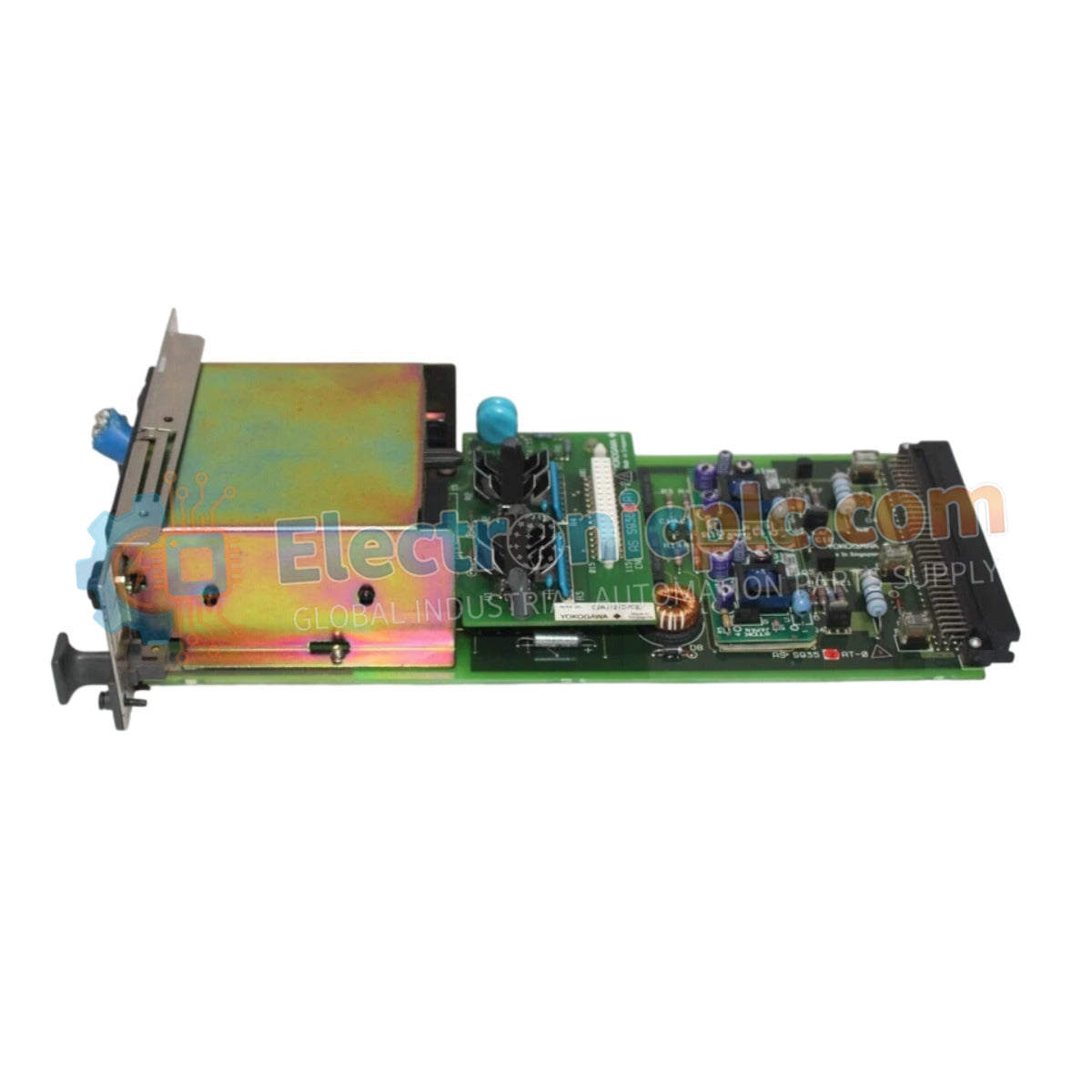
V-Net Coupler Module YOKOGAWA AIP502/S1

V-Net Coupler Module YOKOGAWA AIP502/S1

Configured for high-speed network integration within CENTUM control system architectures, the YOKOGAWA AIP502/S1 (AIP502 V-Net Coupler Module) provides direct physical execution of bus signal coupling and data propagation across V-Net...

26 يشاهد الناس هذا الآن

التوافرفي الأوراق المالية

رمز المنتج: AIP502/S1
بائع: Yokogawa
Related Series:

الشحن والإرجاع

توصيل موثوق به في جميع أنحاء العالم

  • شركات الشحن: يتم الشحن عبر DHL أو FedEx أو UPS أو USPS .
  • الشحن: تتم معالجة الطلبات خلال يوم عمل واحد إلى يومين، ويتم شحنها خلال 3 إلى 5 أيام عمل .
  • التتبع: يتم توفير تفاصيل التتبع الكاملة عبر البريد الإلكتروني عند الشحن.

ضمان استرداد الأموال خلال 30 يومًا

  • الضمان: فترة إرجاع لمدة 30 يومًا للمنتجات المتوفرة في المخزون والمغلفة من المصنع.
  • الشروط: يجب أن تكون المنتجات غير مفتوحة وغير مستخدمة وفي عبوتها الأصلية.
  • الأصالة: نضمن أن تكون الأجهزة أصلية 100% .

هل تحتاج إلى مزيد من التفاصيل؟ اقرأ سياسة الشحن وسياسة الاسترداد الكاملة.

الأصالة والضمان

  • ضمان أصلي: نحن نوفر فقط قطع غيار أصلية 100%، جديدة تمامًا، ومغلقة من المصنع .
  • تغطية كاملة: كل مكون مدعوم بضمان شامل لمدة 12 شهرًا من تاريخ الشراء.
  • إمكانية التتبع: جميع المنتجات تأتي مع وثائق المصنع الأصلية والملحقات اللازمة للامتثال الكامل للمعايير الصناعية.

الدعم الفني والتوريد

  • مساعدة الخبراء: يقدم فريقنا الفني استشارات مجانية لمساعدتك في التحقق من التوافق مع أنظمة DCS و PLC.
  • مصادر القطع النادرة: متخصصون في المكونات القديمة والتي يصعب العثور عليها من Allen-Bradley و Siemens و ABB و HIMA وغيرها.
  • للاستفسارات المتعلقة بالكميات الكبيرة: تواصلوا معنا على pambo@5gplc.com للحصول على أسعار الكميات الكبيرة أو عروض أسعار المشاريع المخصصة.
عرض تفاصيل المنتج الكاملة

Configured for high-speed network integration within CENTUM control system architectures, the YOKOGAWA AIP502/S1 (AIP502 V-Net Coupler Module) provides direct physical execution of bus signal coupling and data propagation across V-Net control network segments.

Suffix Breakdown & Model Matrix

The AIP502/S1 utilizes a structured ordering format to define hardware revision and system compatibility. The /S1 suffix indicates the specific hardware iteration optimized for integration with V-Net communication standards, ensuring compatibility with the data throughput and timing requirements of the CENTUM network platform.

Hardware Specifications

Parameter Specification
Model AIP502/S1
Brand YOKOGAWA
Origin Japan
Weight 1.5 kg
Dimensions 2.2 cm x 12.4 cm x 12.6 cm
Operating Temp 0 deg C to 60 deg C
Power Consumption Passive (backplane powered)
Module Type V-Net Coupler Module
Interface V-Net Control Network

V-Net Network Integrity and Protocol Conversion Latencies

The AIP502/S1 serves as the critical coupling node for the V-Net control bus, facilitating the transmission of process data between geographically distributed field control units (FCU). In DCS environments, maintaining consistent protocol conversion latencies is required to ensure deterministic data exchange and prevent network collisions. The module architecture is designed to handle high-speed V-Net traffic, employing sophisticated signal regeneration to preserve packet integrity across extended network segments while maintaining strict isolation from the local backplane logic.

Frequently Asked Questions

Q: Is the AIP502/S1 module capable of supporting redundant V-Net configurations?

A: Yes. The module is designed to operate within redundant V-Net architectures. Ensure the system software is configured to recognize the dual-path topology to enable automatic failover in the event of a single-channel communication loss.

Q: How does this module manage bus traffic congestion?

A: The AIP502/S1 utilizes dedicated hardware buffering to manage data flow. By offloading packet arbitration from the main controller CPU, it minimizes transmission delays during periods of high network traffic or broadcast-heavy communication cycles.

Field Installation Guidelines

  1. Bus Mounting: Install the module into the designated V-Net coupler slot on the system rack. Ensure the locking tabs are firmly engaged to maintain stable contact with the backplane bus.
  2. Signal Termination: When integrating into a V-Net bus, ensure that the final module on each network segment is properly terminated to prevent signal reflections that can degrade the 10 Mbps data stream.
  3. Cable Shielding: Use high-quality coaxial cabling for V-Net connections. Terminate cable shields at the designated ground terminals to protect the communication signals from electromagnetic interference.
  4. Environment: Maintain an operating ambient temperature between 0 deg C and 60 deg C. Provide at least 30 mm of clearance around the module to allow for sufficient airflow, preventing localized overheating of the internal transceiver circuitry.