انتقل إلى معلومات المنتج
1 ل 3

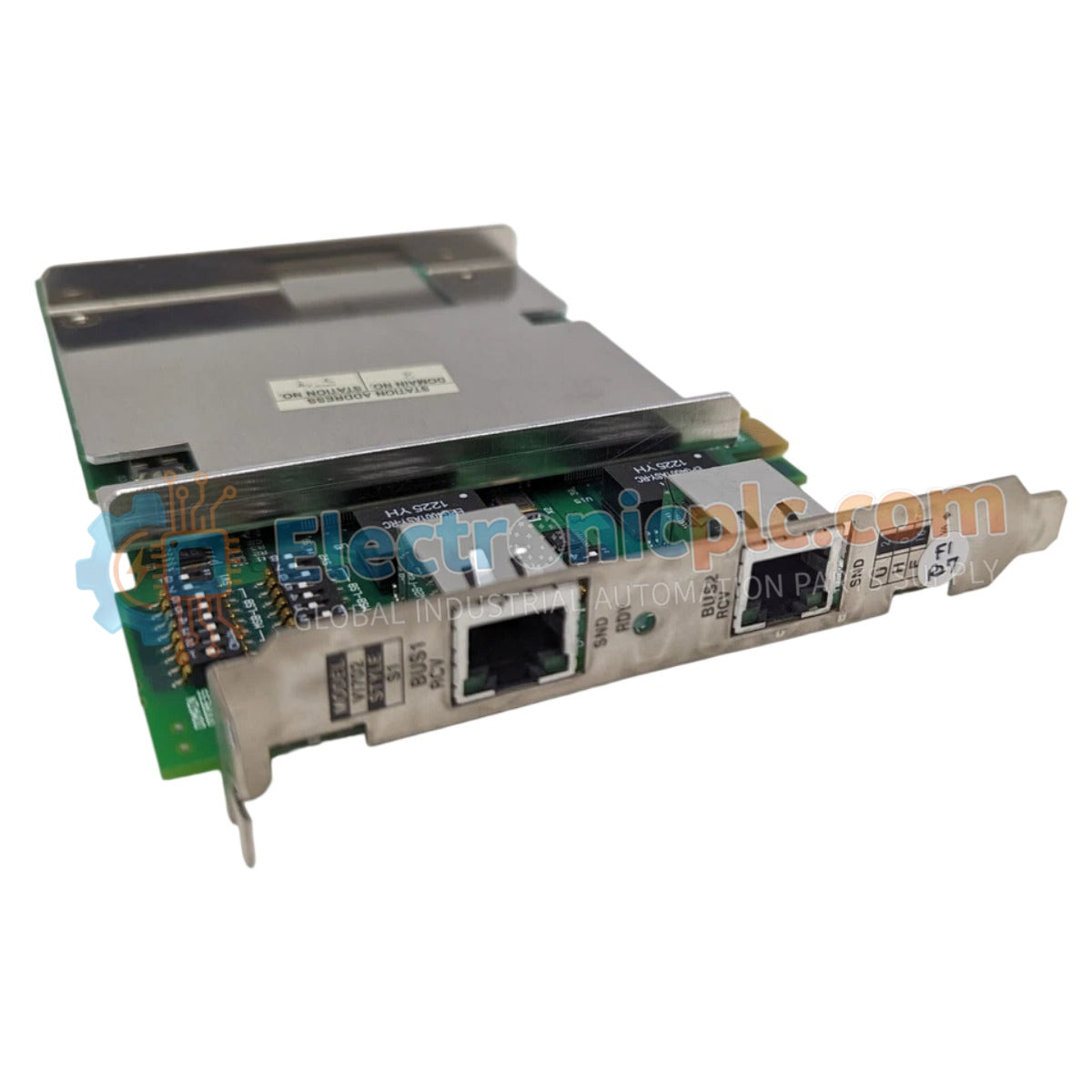
VI702 S1 YOKOGAWA Vnet/IP Interface Card | New & Original Stock

VI702 S1 YOKOGAWA Vnet/IP Interface Card | New & Original Stock

Configured for network communication synchronization in Vnet/IP control systems, the YOKOGAWA VI702 S1 (VI702 Vnet/IP Interface Card) provides direct physical and electrical execution of high-speed data transmission between control stations...

15 يشاهد الناس هذا الآن

التوافرالكمية المتبقية: 99

رمز المنتج: VI702-S1
بائع: Yokogawa
Related Series:

الشحن والإرجاع

توصيل موثوق به في جميع أنحاء العالم

  • شركات الشحن: يتم الشحن عبر DHL أو FedEx أو UPS أو USPS .
  • الشحن: تتم معالجة الطلبات خلال يوم عمل واحد إلى يومين، ويتم شحنها خلال 3 إلى 5 أيام عمل .
  • التتبع: يتم توفير تفاصيل التتبع الكاملة عبر البريد الإلكتروني عند الشحن.

ضمان استرداد الأموال خلال 30 يومًا

  • الضمان: فترة إرجاع لمدة 30 يومًا للمنتجات المتوفرة في المخزون والمغلفة من المصنع.
  • الشروط: يجب أن تكون المنتجات غير مفتوحة وغير مستخدمة وفي عبوتها الأصلية.
  • الأصالة: نضمن أن تكون الأجهزة أصلية 100% .

هل تحتاج إلى مزيد من التفاصيل؟ اقرأ سياسة الشحن وسياسة الاسترداد الكاملة.

الأصالة والضمان

  • ضمان أصلي: نحن نوفر فقط قطع غيار أصلية 100%، جديدة تمامًا، ومغلقة من المصنع .
  • تغطية كاملة: كل مكون مدعوم بضمان شامل لمدة 12 شهرًا من تاريخ الشراء.
  • إمكانية التتبع: جميع المنتجات تأتي مع وثائق المصنع الأصلية والملحقات اللازمة للامتثال الكامل للمعايير الصناعية.

الدعم الفني والتوريد

  • مساعدة الخبراء: يقدم فريقنا الفني استشارات مجانية لمساعدتك في التحقق من التوافق مع أنظمة DCS و PLC.
  • مصادر القطع النادرة: متخصصون في المكونات القديمة والتي يصعب العثور عليها من Allen-Bradley و Siemens و ABB و HIMA وغيرها.
  • للاستفسارات المتعلقة بالكميات الكبيرة: تواصلوا معنا على pambo@5gplc.com للحصول على أسعار الكميات الكبيرة أو عروض أسعار المشاريع المخصصة.
عرض تفاصيل المنتج الكاملة

Configured for network communication synchronization in Vnet/IP control systems, the YOKOGAWA VI702 S1 (VI702 Vnet/IP Interface Card) provides direct physical and electrical execution of high-speed data transmission between control stations and external network segments.

Hardware Specifications

Parameter Specification
Model VI702 S1
Brand YOKOGAWA
Origin Japan
Weight 0.16 kg
Dimensions 7.2 x 6.3 x 9.2 cm
Operating Temp Standard industrial range
Power Consumption Subject to backplane supply
Bus Interface Vnet/IP
Mounting Type Card slot installation

Vnet/IP Connectivity and Network Performance

The VI702 S1 module functions as a dedicated interface to manage deterministic data exchange across the Vnet/IP network architecture. The module design incorporates channel-to-channel isolation to prevent electrical noise from propagating through the backplane. By facilitating high-speed data packets, the interface ensures that latency-sensitive process control commands are transmitted without collision. The circuitry is calibrated to maintain signal integrity over the 1 Gbps Ethernet physical layer, supporting dual-redundant network paths to eliminate single points of failure within the communication loop.

Frequently Asked Questions

Q: Does the VI702 S1 module support hot-swap insertion during system operation?

A: No. The system must be fully de-energized before the module is inserted or removed to prevent potential damage to the Vnet/IP backplane interface pins and communication circuitry.

Q: Is firmware configuration required upon installation of a new VI702 S1?

A: Yes. The module must be synchronized with the current station firmware version to ensure compatibility with the existing control station environment and network traffic management protocols.

Field Installation Guidelines

  1. Verify that the control station power is turned off and secured according to site safety protocols before touching the module.
  2. Carefully align the VI702 S1 with the intended Vnet/IP interface slot on the backplane to prevent pin deformation.
  3. Insert the card into the slot until the locking levers engage fully to ensure proper electrical contact with the bus.
  4. Secure the module using the integrated retaining screws to provide mechanical stability and vibration resistance.
  5. Connect the shielded Ethernet cables to the module ports; ensure that cable shields are properly grounded to the cabinet chassis to minimize electromagnetic interference.
  6. Confirm the network link status via the status LEDs on the front panel before commissioning the module into the active Vnet/IP network.