انتقل إلى معلومات المنتج
1 ل 3

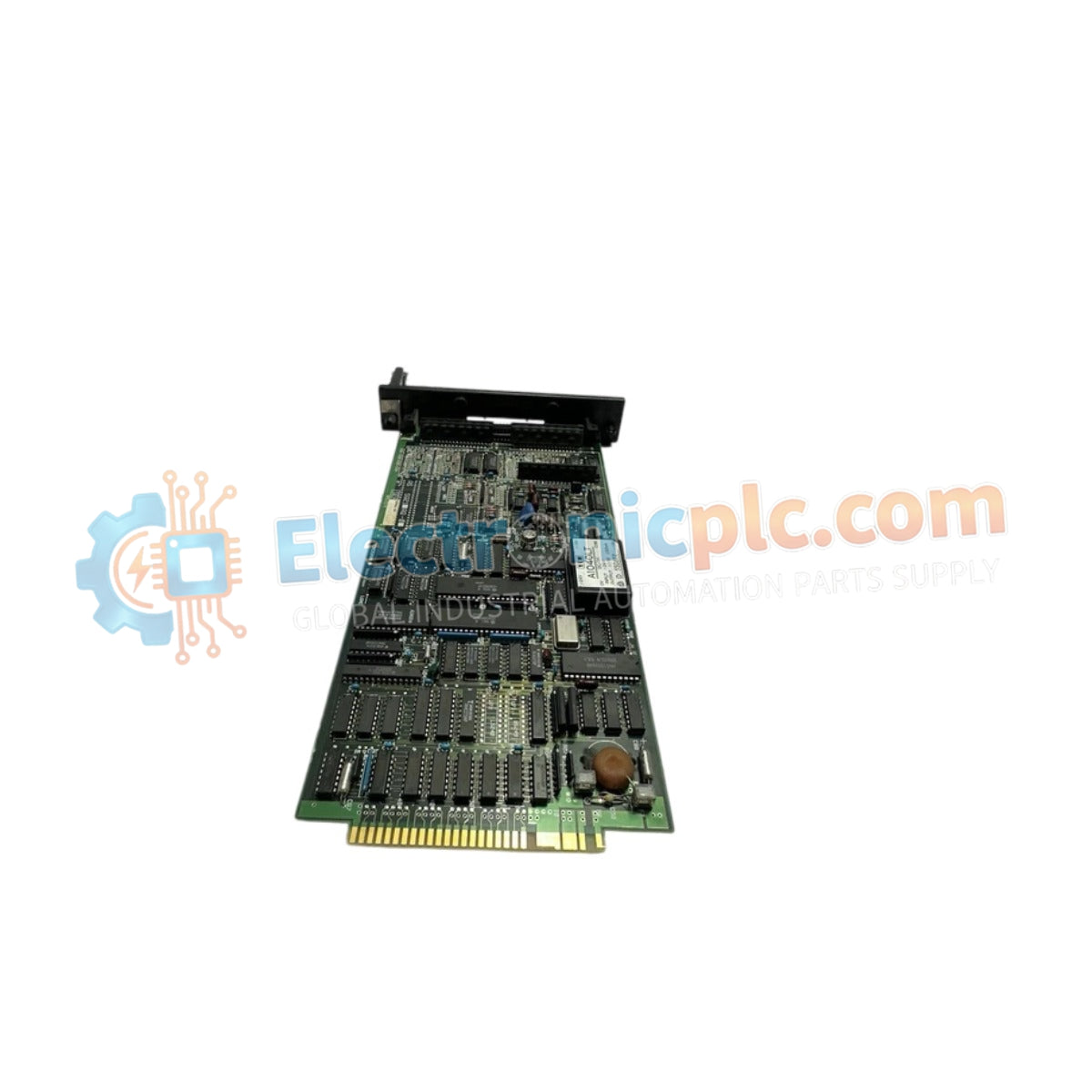
VM1*S YOKOGAWA Analog I/O Module | New & Original Stock

VM1*S YOKOGAWA Analog I/O Module | New & Original Stock

Configured for high-density signal management within industrial control system architectures, the YOKOGAWA VM1*S (VM1*S) provides robust analog processing and communication capabilities. This hardware component serves as a versatile interface module...

19 يشاهد الناس هذا الآن

التوافرالكمية المتبقية: 99

رمز المنتج: VM1*S
بائع: Yokogawa
Related Series:

الشحن والإرجاع

توصيل موثوق به في جميع أنحاء العالم

  • شركات الشحن: يتم الشحن عبر DHL أو FedEx أو UPS أو USPS .
  • الشحن: تتم معالجة الطلبات خلال يوم عمل واحد إلى يومين، ويتم شحنها خلال 3 إلى 5 أيام عمل .
  • التتبع: يتم توفير تفاصيل التتبع الكاملة عبر البريد الإلكتروني عند الشحن.

ضمان استرداد الأموال خلال 30 يومًا

  • الضمان: فترة إرجاع لمدة 30 يومًا للمنتجات المتوفرة في المخزون والمغلفة من المصنع.
  • الشروط: يجب أن تكون المنتجات غير مفتوحة وغير مستخدمة وفي عبوتها الأصلية.
  • الأصالة: نضمن أن تكون الأجهزة أصلية 100% .

هل تحتاج إلى مزيد من التفاصيل؟ اقرأ سياسة الشحن وسياسة الاسترداد الكاملة.

الأصالة والضمان

  • ضمان أصلي: نحن نوفر فقط قطع غيار أصلية 100%، جديدة تمامًا، ومغلقة من المصنع .
  • تغطية كاملة: كل مكون مدعوم بضمان شامل لمدة 12 شهرًا من تاريخ الشراء.
  • إمكانية التتبع: جميع المنتجات تأتي مع وثائق المصنع الأصلية والملحقات اللازمة للامتثال الكامل للمعايير الصناعية.

الدعم الفني والتوريد

  • مساعدة الخبراء: يقدم فريقنا الفني استشارات مجانية لمساعدتك في التحقق من التوافق مع أنظمة DCS و PLC.
  • مصادر القطع النادرة: متخصصون في المكونات القديمة والتي يصعب العثور عليها من Allen-Bradley و Siemens و ABB و HIMA وغيرها.
  • للاستفسارات المتعلقة بالكميات الكبيرة: تواصلوا معنا على pambo@5gplc.com للحصول على أسعار الكميات الكبيرة أو عروض أسعار المشاريع المخصصة.
عرض تفاصيل المنتج الكاملة

Configured for high-density signal management within industrial control system architectures, the YOKOGAWA VM1*S (VM1*S) provides robust analog processing and communication capabilities. This hardware component serves as a versatile interface module utilized to bridge field-level analog instrumentation with centralized control systems, supporting both standard signal processing and advanced digital protocol integration.

Hardware Specifications

Parameter Specification
Model VM1*S
Brand YOKOGAWA
Origin Subject to factory marking
Weight 0.6 kg
Dimensions 5.1 cm x 17.8 cm x 7.6 cm
Operating Temp -40 deg C to +70 deg C
Protocol HART Communication
Redundancy Dual-redundancy support
Calibration Factory/User-defined

Analog Signal Processing and Redundancy

The VM1*S is engineered for applications requiring high precision and continuous availability. Its support for the HART (Highway Addressable Remote Transducer) protocol allows for the simultaneous transmission of analog process variables and digital diagnostic data, facilitating proactive instrument maintenance. By offering dual-redundancy, the module ensures that critical process loops remain active even in the event of a primary interface failure. The module's wide operating temperature range (-40°C to +70°C) allows for reliable deployment in extreme industrial settings, maintaining signal accuracy through varied environmental conditions.

Frequently Asked Questions (FAQ)

Q: Can the VM1*S be configured to support mixed input and output signal ranges?

A: Yes, the module supports user-defined calibration settings, allowing for flexibility in handling varying signal ranges (e.g., 4–20 mA or 0–10 V) across different channels. Verify your specific I/O mapping configuration in the engineering workstation software.

Q: What are the primary diagnostic benefits of using the HART functionality?

A: HART functionality allows for remote monitoring of device health, such as sensor calibration status and loop integrity, without requiring a technician to be physically present at the transmitter location.

Field Installation Guidelines

  • Redundancy Setup: When implementing dual-redundancy, ensure that both primary and secondary modules are connected to the redundant backplane correctly. Verify the synchronization status on the control system’s diagnostic dashboard immediately after power-up.
  • HART Wiring: When using HART-enabled instruments, ensure that the loop resistance is within the required range (typically 250–500 ohms) to allow for the digital communication signal to be superimposed on the analog 4–20 mA loop without attenuation.
  • Calibration: Perform an initial baseline calibration during commissioning. If the environment is subject to high thermal swings, consider a re-calibration schedule to maintain the module's high-precision performance over time.
  • Grounding: To ensure signal noise immunity, especially when handling low-level analog signals, ensure the shield of the field wiring is terminated according to the control system's grounding philosophy. Avoid ground loops that could lead to signal drift.