
سلة التسوق الخاصة بي
0 عنصرًا
قطع غيار أصلية للأتمتة | توصيل سريع عالمي | ضمان لمدة 12 شهرًا — [احصل على عرض سعر]

تعمل الوحدة Yokogawa VP6CCM-C11، والمُدرجة أيضًا تحت اسم VP6CCM Enhanced I/O Module، كمكوّن مادي مخصص لمعالجة البيانات عالية السرعة واكتساب الإشارات ضمن أنظمة التحكم الموزعة CENTUM VP. تم تكوين الوحدة...
التوافر: الكمية المتبقية: 99
توصيل موثوق به في جميع أنحاء العالم
ضمان استرداد الأموال خلال 30 يومًا
هل تحتاج إلى مزيد من التفاصيل؟ اقرأ سياسة الشحن وسياسة الاسترداد الكاملة.
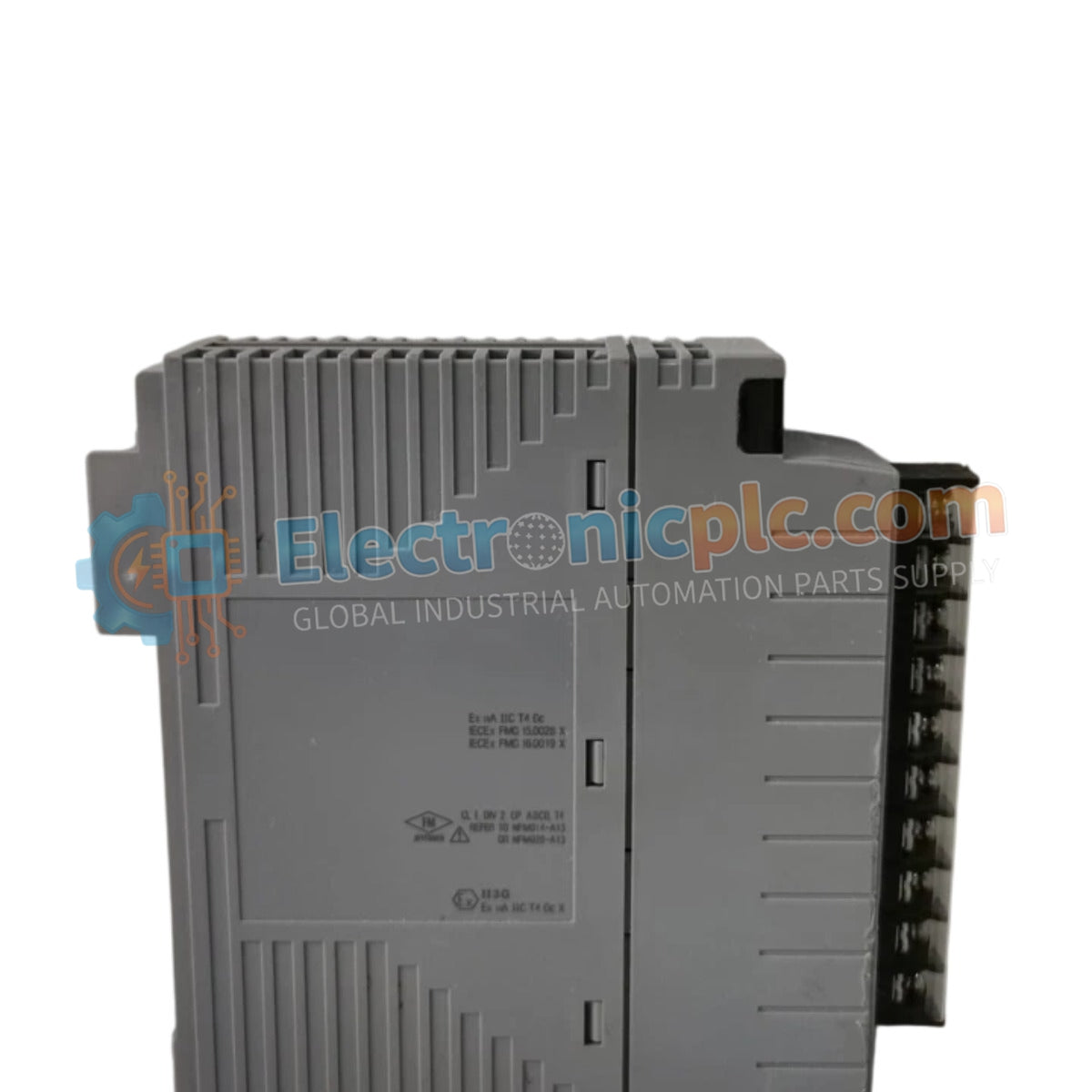
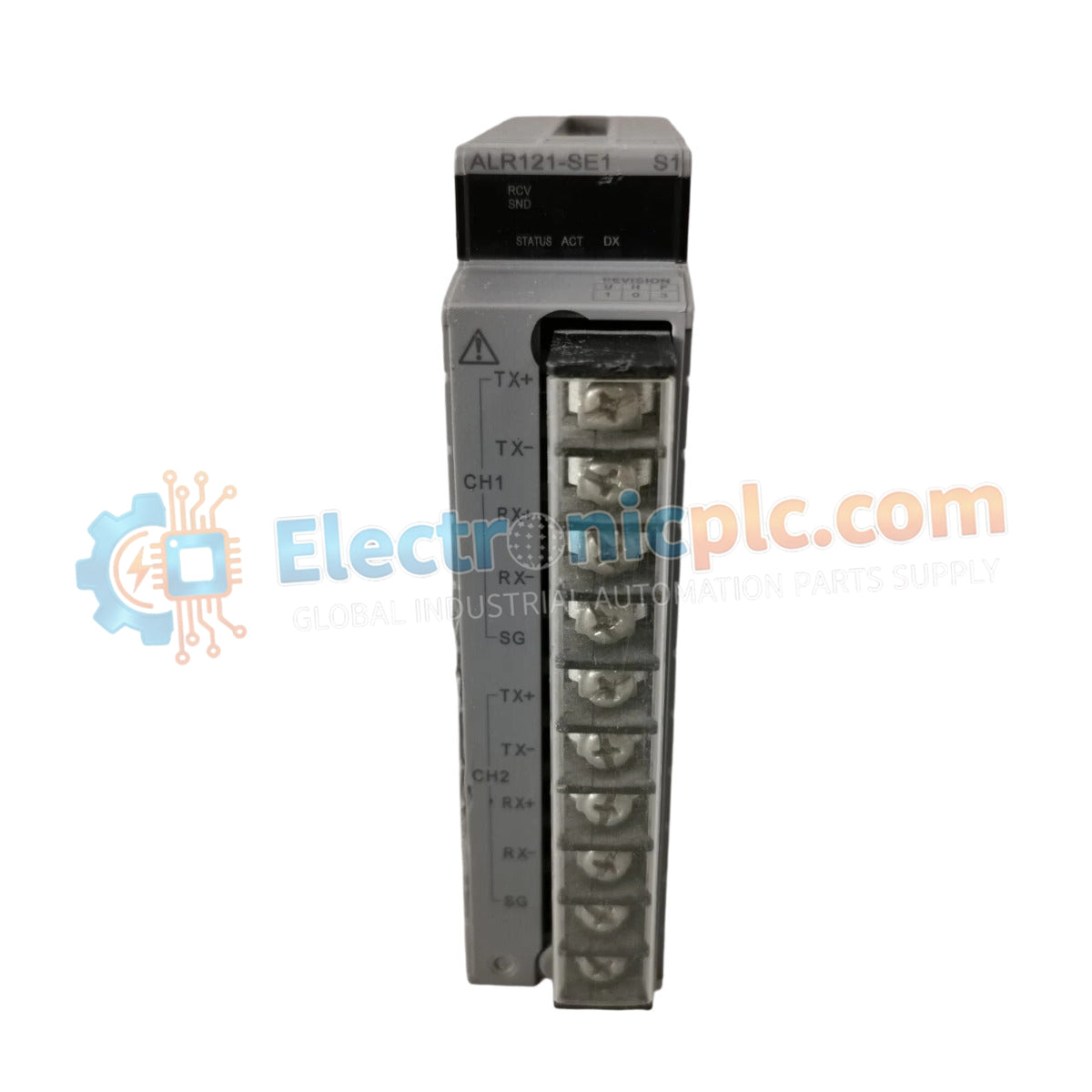
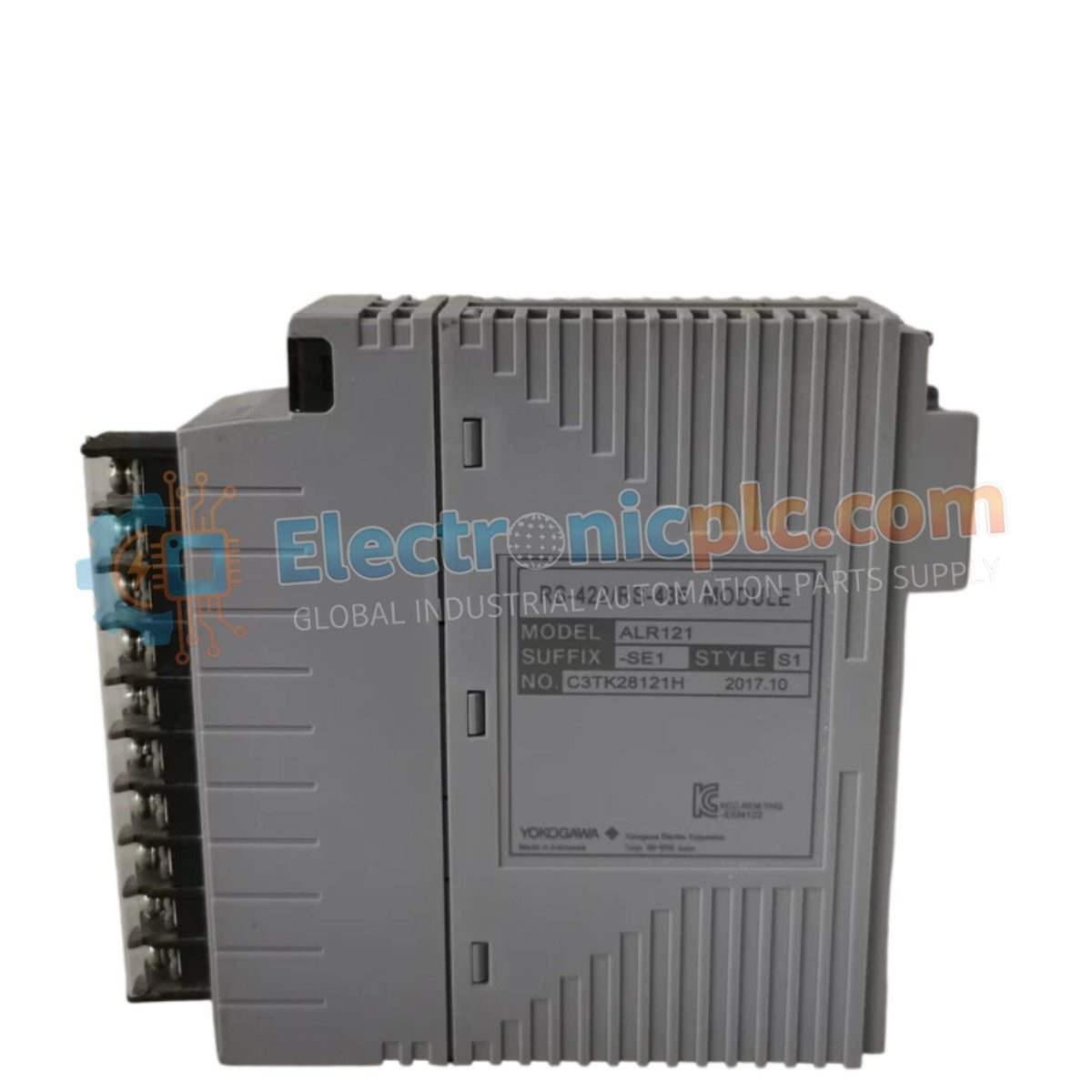
تعمل الوحدة Yokogawa VP6CCM-C11، والمُدرجة أيضًا تحت اسم VP6CCM Enhanced I/O Module، كمكوّن مادي مخصص لمعالجة البيانات عالية السرعة واكتساب الإشارات ضمن أنظمة التحكم الموزعة CENTUM VP. تم تكوين الوحدة Yokogawa VP6CCM-C11 (وحدة VP6CCM المحسّنة للمدخلات/المخرجات) للتحكم الحتمي في شبكات الأتمتة الصناعية، وتوفر تنفيذًا ماديًا مباشرًا لبروتوكولات الاتصال PROFINET.
| المعلمة | المواصفات |
|---|---|
| النموذج | VP6CCM-C11 |
| العلامة التجارية | Yokogawa |
| بلد المنشأ | اليابان |
| الوزن | 0.4 كجم |
| الأبعاد | 241.3 ملم × 24.4 ملم × 99.1 ملم |
| درجة حرارة التشغيل | -40 درجة مئوية إلى +70 درجة مئوية |
| استهلاك الطاقة | 24 فولت تيار مستمر، 2.5 أمبير |
| الاتصال | PROFINET (فئة المطابقة B) |
تستخدم الوحدة VP6CCM-C11 وظيفة التكرار S2 للحفاظ على روابط اتصال مستمرة ضمن شبكات PROFINET الصناعية. تضمن هذه البنية، في حالة فشل المتحكم الأساسي، أن تبدأ الوحدة التحويل التلقائي إلى الشريك المتكرر، مما يقلل من وقت التوقف في حلقات التحكم الحيوية. تدعم الوحدة متطلبات فئة المطابقة B (CC-B)، وتوفر ميزات إدارة الشبكة وبيانات التشخيص اللازمة للمراقبة في الوقت الفعلي. من خلال دمج معالجة البيانات عالية السرعة مباشرة على مستوى المدخلات/المخرجات، تقلل الوحدة من زمن استجابة الاتصال المرتبط عادة بسرعة اتصال ناقل اللوحة الخلفية في تكوينات DCS المعقدة.
س: هل تدعم الوحدة VP6CCM-C11 تحديثات البرامج الثابتة عبر شبكة PROFINET؟
ج: نعم. تدعم بنية الوحدة توافق البرامج الثابتة عن بعد، مما يسمح بالتحديثات عبر اتصال PROFINET بشرط أن يحافظ تكوين الشبكة على تسليم الحزم الحتمي خلال فترة التحديث.
س: ما هو تأثير وظيفة التكرار S2 على دورة مسح المدخلات/المخرجات الإجمالية؟
ج: تم تصميم وظيفة التكرار S2 لتجاوز الفشل بسلاسة؛ يتم الحفاظ على دورة المسح ضمن الحدود القياسية حيث يقوم الشريك المتكرر بمزامنة سجلات حالته مسبقًا، مما يضمن حدوث انتقال حلقة التحكم ضمن القيود الزمنية المطلوبة لنظام CENTUM VP.


