
سلة التسوق الخاصة بي
0 عنصرًا
قطع غيار أصلية للأتمتة | توصيل سريع عالمي | ضمان لمدة 12 شهرًا — [احصل على عرض سعر]

تم تكوين YOKOGAWA YCB147-2 (محول تحويل كابل ناقل التحكم YCB147) لتوصيل الإشارة في شبكات التحكم الموزعة، ويوفر تنفيذًا فيزيائيًا/كهربائيًا مباشرًا لترجمة إشارات الناقل داخل أنظمة CENTUM VP و CENTUM CS 3000. يسهل...
التوافر: في الأوراق المالية
توصيل موثوق به في جميع أنحاء العالم
ضمان استرداد الأموال خلال 30 يومًا
هل تحتاج إلى مزيد من التفاصيل؟ اقرأ سياسة الشحن وسياسة الاسترداد الكاملة.


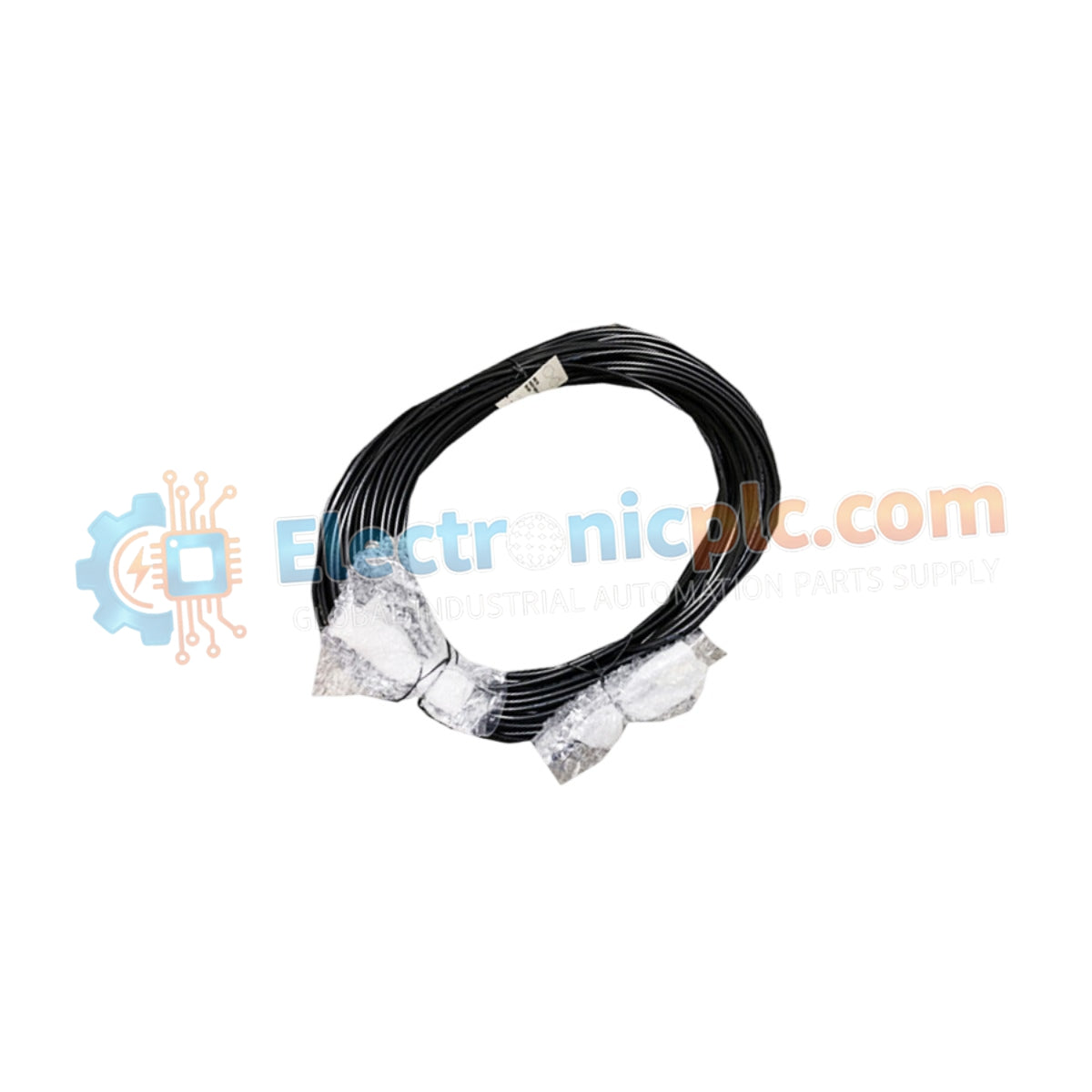
تم تكوين YOKOGAWA YCB147-2 (محول تحويل كابل ناقل التحكم YCB147) لتوصيل الإشارة في شبكات التحكم الموزعة، ويوفر تنفيذًا فيزيائيًا/كهربائيًا مباشرًا لترجمة إشارات الناقل داخل أنظمة CENTUM VP و CENTUM CS 3000. يسهل هذا المحول قابلية التشغيل البيني بين معماريات ناقل التحكم المتنوعة، مما يضمن نقل بيانات مستقر عبر البنية التحتية لـ V net و ESB bus و ER bus.
| المعلمة | المواصفات |
| الطراز | YCB147-2 |
| العلامة التجارية | YOKOGAWA |
| المنشأ | اليابان |
| الوزن | 0.25 كجم |
| الأبعاد | حاوية قياسية للتركيب على الرف |
| درجة حرارة التشغيل | معيار صناعي |
| استهلاك الطاقة | محول سلبي |
| الناقلات المدعومة | V net، ER bus، ESB bus |
| نوع الاتصال | محوري (10BASE-2/5) |
| التركيب | رف أو لوحة |
يعمل YCB147-2 كواجهة بالغة الأهمية للحفاظ على الاتصال الحتمي في بيئات التشغيل الآلي المتسامحة مع الأخطاء. من خلال ربط معايير الناقل المتباينة، يضمن المحول بقاء تأخيرات انتشار الإشارة ضمن الحدود المحددة، مما يمنع تصادم الإطارات أو تدهور البيانات. توفر الوحدة إنهاء الخط المناسب الضروري لتقليل انعكاسات الإشارة على أجزاء ناقل التحكم المحوري، وبالتالي الحفاظ على المزامنة عالية السرعة المطلوبة لعمليات التحكم الموزعة.
س: هل يتطلب YCB147-2 طاقة خارجية لتحويل الإشارة؟
ج: لا، YCB147-2 هو محول أجهزة سلبي. يعتمد على الخصائص الكهربائية لأجزاء الناقل المتصلة لربط الإشارات بين أنواع ناقل التحكم المختلفة.
س: هل هذا المحول متوافق مع كابلات إيثرنت القياسية (IEEE 802.3)؟
ج: بينما يستخدم واجهات محورية متوافقة مع مواصفات 10BASE-2/5، فقد تم تصميمه خصيصًا لتوصيلات ناقل التحكم Yokogawa. استخدم الكابلات المعتمدة فقط لضمان التوافق الكهرومغناطيسي وموثوقية الشبكة.
تحقق من أن كابلات ناقل التحكم محمية ومؤرضة بشكل صحيح عند المصدر لتقليل التداخل الكهرومغناطيسي (EMI) قبل توصيلها بالمحول.
ثبت YCB147-2 على الرف أو اللوحة باستخدام الأجهزة المناسبة. تأكد من ربط هيكل المحول بأرضي الخزانة للحفاظ على فعالية حماية الإشارة.
افحص الموصلات المحورية للتأكد من تثبيتها بشكل صحيح وتأكد من أن الموصل المركزي غير منحني أثناء الإدخال.
إذا تم استخدام المحول لإنهاء جزء من الناقل، فتأكد من تثبيت مقاوم الإنهاء المناسب وفقًا لمعيار الناقل المحدد (V net أو ESB أو ER).
بعد الاتصال، تأكد من حالة اتصال الناقل عبر برنامج تشخيص النظام لضمان أن المحول قد ربط جزء الشبكة بشكل صحيح.


