انتقل إلى معلومات المنتج
1 ل 3

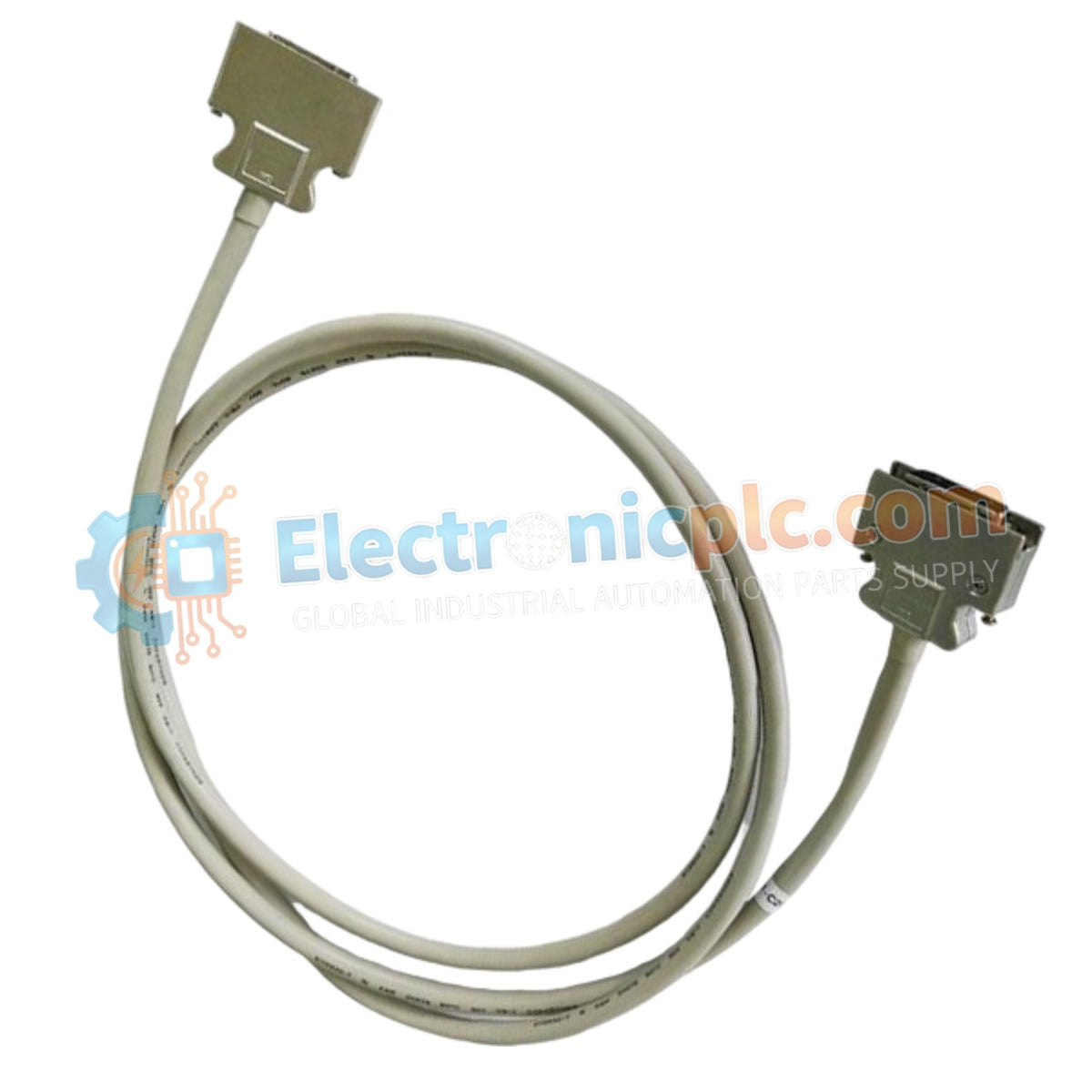
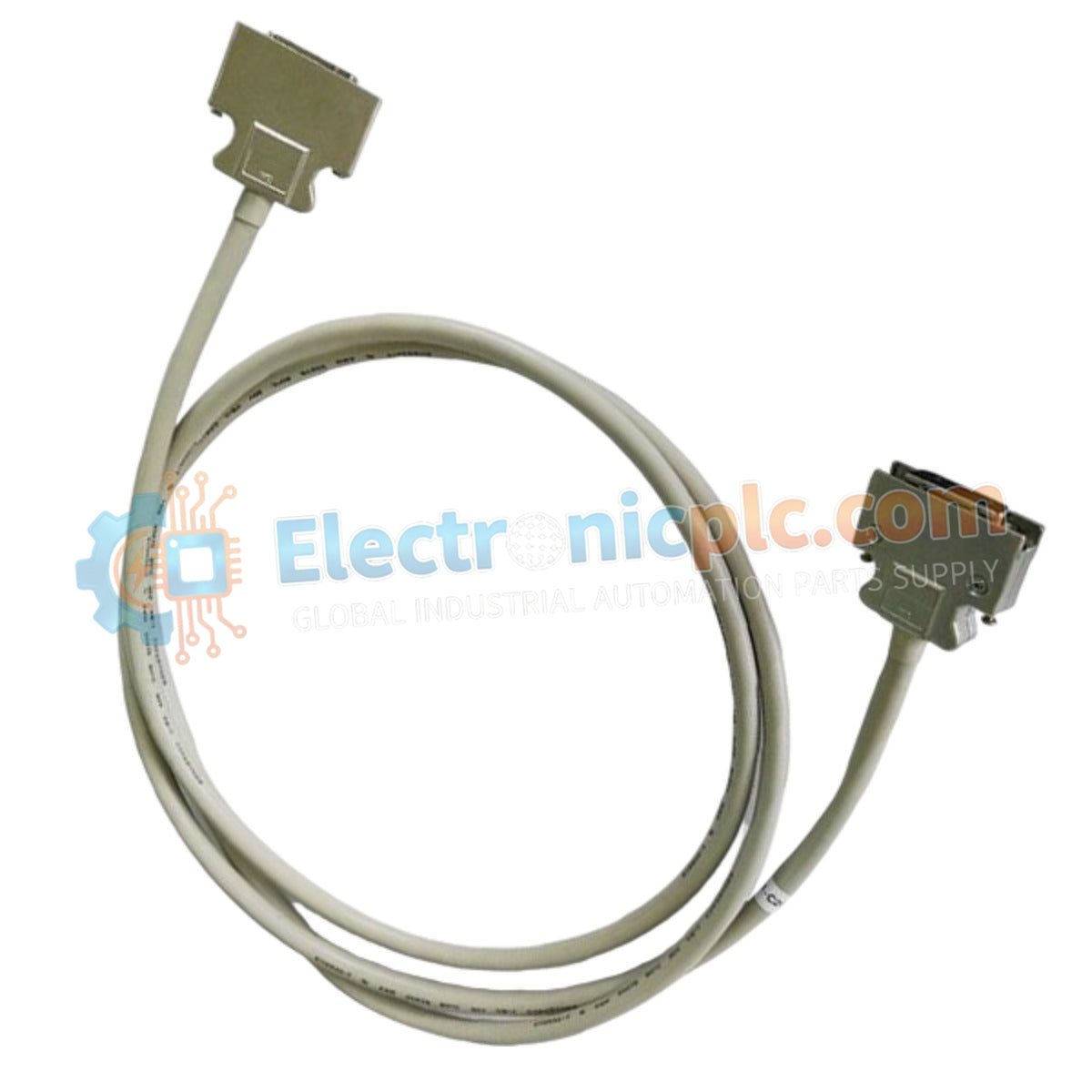
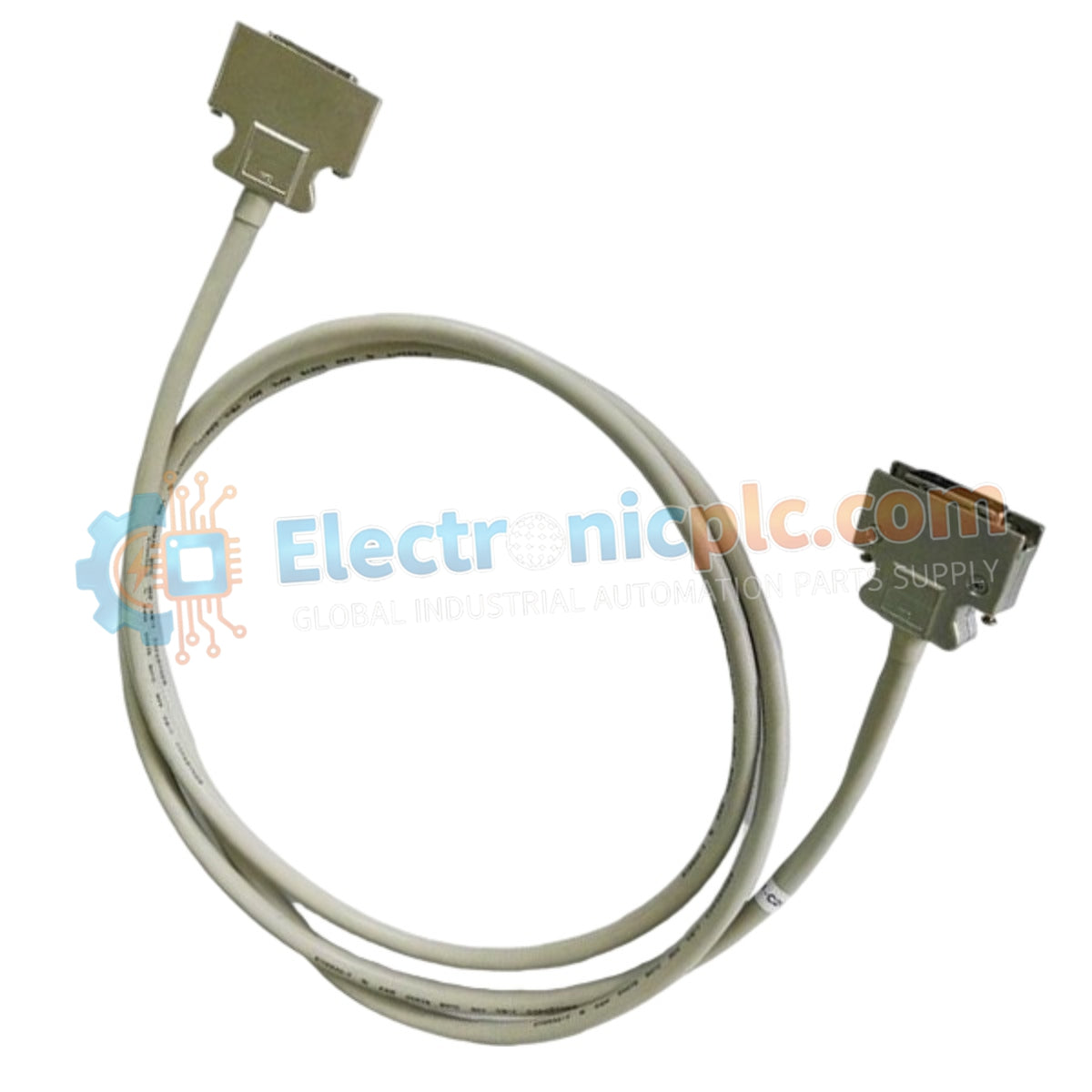
YCB301-C20 Yokogawa ESB Bus Cable

YCB301-C20 Yokogawa ESB Bus Cable

The Yokogawa YCB301-C20, also cataloged as the YCB301-C20 ESB Bus Cable, operates as a dedicated hardware component for high-speed data transmission and synchronization between controllers and I/O nodes within CENTUM...

25 يشاهد الناس هذا الآن

التوافرالكمية المتبقية: 99

رمز المنتج: YCB301-C20
بائع: Yokogawa
فئة: ESB Bus Cable
Related Series:

الشحن والإرجاع

توصيل موثوق به في جميع أنحاء العالم

  • شركات الشحن: يتم الشحن عبر DHL أو FedEx أو UPS أو USPS .
  • الشحن: تتم معالجة الطلبات خلال يوم عمل واحد إلى يومين، ويتم شحنها خلال 3 إلى 5 أيام عمل .
  • التتبع: يتم توفير تفاصيل التتبع الكاملة عبر البريد الإلكتروني عند الشحن.

ضمان استرداد الأموال خلال 30 يومًا

  • الضمان: فترة إرجاع لمدة 30 يومًا للمنتجات المتوفرة في المخزون والمغلفة من المصنع.
  • الشروط: يجب أن تكون المنتجات غير مفتوحة وغير مستخدمة وفي عبوتها الأصلية.
  • الأصالة: نضمن أن تكون الأجهزة أصلية 100% .

هل تحتاج إلى مزيد من التفاصيل؟ اقرأ سياسة الشحن وسياسة الاسترداد الكاملة.
الأصالة والضمان

  • ضمان أصلي: نحن نوفر فقط قطع غيار أصلية 100%، جديدة تمامًا، ومغلقة من المصنع .
  • تغطية كاملة: كل مكون مدعوم بضمان شامل لمدة 12 شهرًا من تاريخ الشراء.
  • إمكانية التتبع: جميع المنتجات تأتي مع وثائق المصنع الأصلية والملحقات اللازمة للامتثال الكامل للمعايير الصناعية.

الدعم الفني والتوريد

  • مساعدة الخبراء: يقدم فريقنا الفني استشارات مجانية لمساعدتك في التحقق من التوافق مع أنظمة DCS و PLC.
  • مصادر القطع النادرة: متخصصون في المكونات القديمة والتي يصعب العثور عليها من Allen-Bradley و Siemens و ABB و HIMA وغيرها.
  • للاستفسارات المتعلقة بالكميات الكبيرة: تواصلوا معنا على pambo@5gplc.com للحصول على أسعار الكميات الكبيرة أو عروض أسعار المشاريع المخصصة.
عرض تفاصيل المنتج الكاملة

The Yokogawa YCB301-C20, also cataloged as the YCB301-C20 ESB Bus Cable, operates as a dedicated hardware component for high-speed data transmission and synchronization between controllers and I/O nodes within CENTUM VP network architectures.

Hardware Specifications

Parameter Specification
Model YCB301-C20
Brand Yokogawa
Origin Japan
Weight 2 kg
Dimensions 2 meters length
Operating Temp Standard industrial ambient range
Power Consumption Not applicable (Passive interconnect)
Cable Type ESB Bus Cable
Pin Configuration 36-pin to 36-pin

ESB Bus Architecture and Signal Integrity

The YCB301-C20 is designed to facilitate the Extended Serial Bus (ESB) communication protocol, which is the standard backplane-extender interface for Yokogawa CENTUM VP distributed control systems. The 36-pin connector assembly provides the necessary multi-core shielding to maintain signal integrity over the 2-meter span, effectively mitigating electromagnetic interference (EMI) and crosstalk within crowded control cabinet environments. The internal conductor arrangement is optimized to support the high-speed, deterministic requirements of the ESB bus, ensuring low-latency communication between the processor and remote I/O modules.

Frequently Asked Questions (FAQ)

Q: What is the primary function of the 36-pin ESB bus cable?

A: The YCB301-C20 serves as the physical link between the main control unit and remote I/O bases, carrying both communication data and power signals required for the operation of the I/O node.

Q: Can this cable be extended beyond the 2-meter length?

A: The ESB bus length is strictly dictated by the system design specifications for bus timing and signal attenuation. Extending the cable beyond the manufacturer-specified length can lead to timing errors or bus communication failures.

Field Installation Guidelines

  1. Inspect the 36-pin connector housing for any bent pins or debris before installation to ensure a secure mating interface.
  2. Align the connector vertically with the module port; apply firm, even pressure until the locking clips or thumbscrews are fully engaged.
  3. Route the cable through dedicated signal cable trays, maintaining a minimum separation of 100 mm from high-voltage power lines or variable frequency drive (VFD) output cables.
  4. Use provided cable management clips to secure the 2 kg cable weight, preventing mechanical stress on the connector joints due to sagging or vibration.
  5. Avoid tight-radius bends (minimum bending radius should be at least 10 times the cable diameter) to prevent internal conductor breakage or shielding degradation.