انتقل إلى معلومات المنتج
1 ل 3

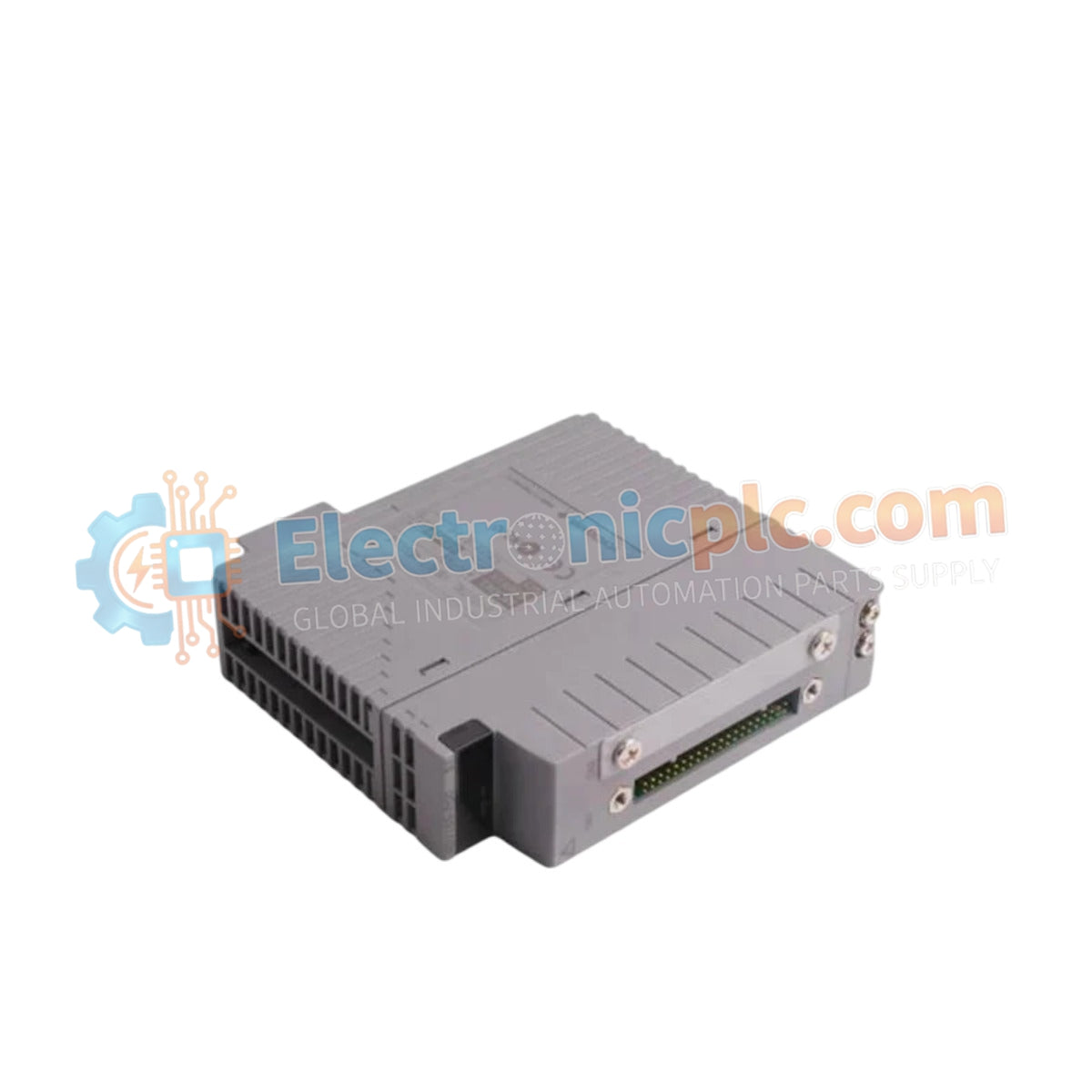
YOKOGAWA AAV144-S50/A4S10 Voltage Input Module

YOKOGAWA AAV144-S50/A4S10 Voltage Input Module

The YOKOGAWA AAV144-S50/A4S10, also cataloged as the AAV144 Voltage Input Module, operates as a dedicated hardware component for high-precision analog signal acquisition within process control network systems.

Suffix Breakdown &...

17 يشاهد الناس هذا الآن

التوافرفي الأوراق المالية

رمز المنتج: AAV144-S50/A4S10
بائع: Yokogawa
Related Series:

الشحن والإرجاع

توصيل موثوق به في جميع أنحاء العالم

  • شركات الشحن: يتم الشحن عبر DHL أو FedEx أو UPS أو USPS .
  • الشحن: تتم معالجة الطلبات خلال يوم عمل واحد إلى يومين، ويتم شحنها خلال 3 إلى 5 أيام عمل .
  • التتبع: يتم توفير تفاصيل التتبع الكاملة عبر البريد الإلكتروني عند الشحن.

ضمان استرداد الأموال خلال 30 يومًا

  • الضمان: فترة إرجاع لمدة 30 يومًا للمنتجات المتوفرة في المخزون والمغلفة من المصنع.
  • الشروط: يجب أن تكون المنتجات غير مفتوحة وغير مستخدمة وفي عبوتها الأصلية.
  • الأصالة: نضمن أن تكون الأجهزة أصلية 100% .

هل تحتاج إلى مزيد من التفاصيل؟ اقرأ سياسة الشحن وسياسة الاسترداد الكاملة.

الأصالة والضمان

  • ضمان أصلي: نحن نوفر فقط قطع غيار أصلية 100%، جديدة تمامًا، ومغلقة من المصنع .
  • تغطية كاملة: كل مكون مدعوم بضمان شامل لمدة 12 شهرًا من تاريخ الشراء.
  • إمكانية التتبع: جميع المنتجات تأتي مع وثائق المصنع الأصلية والملحقات اللازمة للامتثال الكامل للمعايير الصناعية.

الدعم الفني والتوريد

  • مساعدة الخبراء: يقدم فريقنا الفني استشارات مجانية لمساعدتك في التحقق من التوافق مع أنظمة DCS و PLC.
  • مصادر القطع النادرة: متخصصون في المكونات القديمة والتي يصعب العثور عليها من Allen-Bradley و Siemens و ABB و HIMA وغيرها.
  • للاستفسارات المتعلقة بالكميات الكبيرة: تواصلوا معنا على pambo@5gplc.com للحصول على أسعار الكميات الكبيرة أو عروض أسعار المشاريع المخصصة.
عرض تفاصيل المنتج الكاملة

The YOKOGAWA AAV144-S50/A4S10, also cataloged as the AAV144 Voltage Input Module, operates as a dedicated hardware component for high-precision analog signal acquisition within process control network systems.

Suffix Breakdown & Model Matrix

The AAV144-S50/A4S10 follows a structured ordering format where the suffix denotes specific calibration and safety compliance configurations. The -S50 identifier specifies the hardware versioning for standard input scaling, while the /A4S10 extension signifies the certified range compatibility for 1-5 V and -10 to 10 V input signals.

Hardware Specifications

Parameter Specification
Model AAV144-S50/A4S10
Brand YOKOGAWA
Origin Japan
Weight 0.2 kg
Dimensions 130 mm x 107.5 mm x 32.8 mm
Operating Temp 0 deg C to 50 deg C
Power Consumption 5 VDC nominal
Input Channels 16 (isolated)
Input Range 1-5 V or -10 to 10 V
Allowable Input Voltage +/- 30 V
Isolated Voltage 1500 V AC (1 minute)
Accuracy (1-5 V) +/- 4 mV
Accuracy (-10 to 10 V) +/- 20 mV
Data Update Period 10 ms

4-20 mA HART Loop Protocol and Channel Isolation

The AAV144-S50/A4S10 utilizes advanced galvanic isolation techniques to ensure high signal fidelity across its 16 input channels. In DCS environments, maintaining channel-to-channel isolation is required to eliminate ground loops and common-mode interference when interfacing with diverse field instruments. While the primary function is voltage input, the architecture is compatible with 4-20 mA HART loop protocol conversion via external shunt resistors, allowing for standardized data integration into the Yokogawa control platform.

Frequently Asked Questions

Q: Can the input range be configured differently for individual channels?

A: No. The AAV144-S50/A4S10 requires input signals to be configured globally for the entire module (CH1 to CH16). Individual channel range switching is not supported by this hardware version.

Q: What occurs if the input voltage exceeds the +/- 30 V limit?

A: The module is designed to withstand up to +/- 30 V. Exceeding this threshold may result in permanent damage to the input protection circuitry and compromise the isolation barrier.

Field Installation Guidelines

  1. Mounting: Install the module in a designated slot within the field control unit (FCU) base plate. Ensure the module is firmly locked using the retaining clips to prevent vibration-induced signal instability.
  2. Wiring: Use shielded twisted-pair cabling for all input signals. Terminate the shield at a common reference ground point within the cabinet to maintain the effectiveness of the module's 1500 V AC isolation barrier.
  3. Impedance Considerations: Note that input resistance changes based on the module power state (1 M Ohm when ON, 200 k Ohm when OFF). Ensure that external signal sources are capable of driving these loads without significant voltage droop.
  4. Thermal Management: Ensure adequate spacing between modules in the rack to allow for heat dissipation. Operating temperatures must remain within the 0 deg C to 50 deg C range to prevent accuracy drift exceeding the specified +/- 4 mV/10 deg C or +/- 20 mV/10 deg C limits.