
سلة التسوق الخاصة بي
0 عنصرًا
قطع غيار أصلية للأتمتة | توصيل سريع عالمي | ضمان لمدة 12 شهرًا — [احصل على عرض سعر]

تم تكوين Yokogawa ADC16 (وحدة إدخال الاتصال ADC16) لاكتساب الإشارات المنفصلة في منصات التحكم بالعمليات، وهو يوفر تنفيذًا فيزيائيًا/كهربائيًا مباشرًا للكشف عن الحالة الثنائية بـ 16 قناة لإدخالات الاتصال الجافة.
...التوافر: في الأوراق المالية
توصيل موثوق به في جميع أنحاء العالم
ضمان استرداد الأموال خلال 30 يومًا
هل تحتاج إلى مزيد من التفاصيل؟ اقرأ سياسة الشحن وسياسة الاسترداد الكاملة.


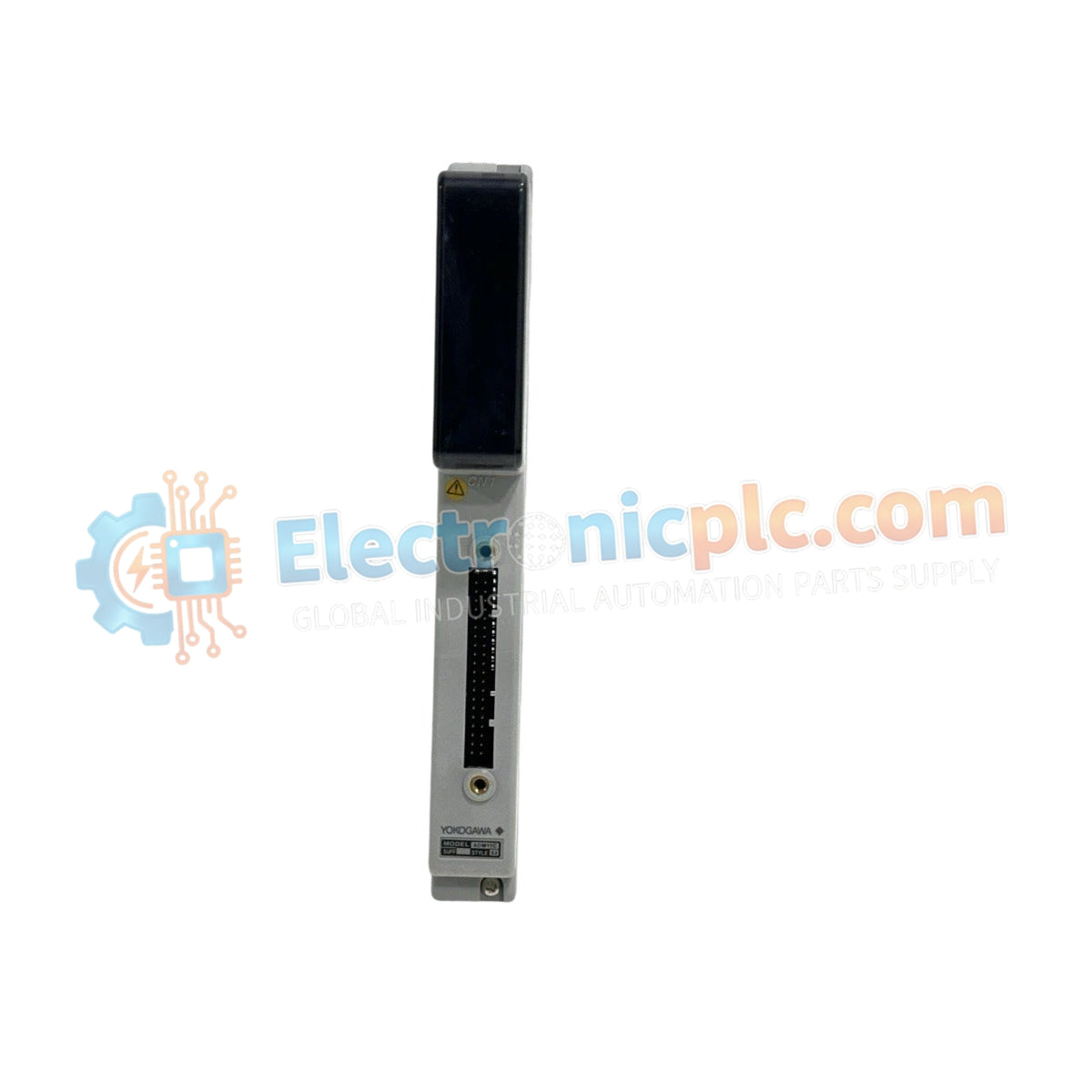
تم تكوين Yokogawa ADC16 (وحدة إدخال الاتصال ADC16) لاكتساب الإشارات المنفصلة في منصات التحكم بالعمليات، وهو يوفر تنفيذًا فيزيائيًا/كهربائيًا مباشرًا للكشف عن الحالة الثنائية بـ 16 قناة لإدخالات الاتصال الجافة.
| المعلمة | المواصفات |
|---|---|
| النموذج | ADC16 |
| العلامة التجارية | يوكوجاوا |
| الأصل | اليابان |
| الوزن | 0.3 كجم |
| الأبعاد | قابس رف النظام القياسي |
| درجة حرارة التشغيل | من 0 درجة مئوية إلى 55 درجة مئوية |
| استهلاك الطاقة | غير محدد |
| قنوات الإدخال | 16 نقطة منفصلة |
| نوع الإدخال | اتصال جاف (بدون جهد) |
| العزل | عزل بصري لكل قناة |
| وقت الاستجابة | <= 10 مللي ثانية |
تعمل وحدة ADC16 كواجهة مخصصة لمراقبة إشارات الحالة الثنائية مثل مفاتيح الحد وتلامسات الترحيل داخل أنظمة Yokogawa CENTUM CS و CENTUM VP. تتميز كل قناة من قنوات الإدخال الـ 16 بعزل بصري لمنع تداخل حلقة الأرض وتوفير الحماية ضد الاضطرابات الكهربائية التي تنشأ من جانب المجال. يعتبر حاجز العزل هذا حاسمًا للحفاظ على سلامة الإشارة عند توصيل الوحدة بأجهزة ميدانية متنوعة عبر شبكة التحكم. لا ينطبق التطبيق الصحيح لمعايير بروتوكول حلقة HART 4-20 مللي أمبير هنا، حيث تعمل الوحدة خصيصًا للاستشعار بالاتصال الجاف المنفصل؛ ومع ذلك، حافظ على التناسق في مسارات عودة الإشارة لضمان عمل المقرنات البصرية ضمن معاييرها المقدرة.
س: هل تدعم ADC16 التبديل السريع أثناء تشغيل النظام؟
ج: بشكل عام، تتطلب رفوف النظام التي تدعم هذه الوحدات بروتوكولات إدارة طاقة محددة. تأكد من إيقاف تشغيل رف النظام أو تهيئته لعزل خاص بالقطاع قبل الاستخراج لمنع تقوس اللوحة الخلفية أو قصر دائرة ناقل الإدخال.
س: هل يتطلب جهدًا خارجيًا لتشغيل مدخلات الاتصال الجافة؟
ج: تم تصميم الوحدة للاتصالات الجافة (بدون جهد). توفر الدائرة الداخلية تيار الترطيب اللازم للكشف عن حالة التشغيل/الإيقاف؛ لا تقم بتطبيق مصادر جهد خارجي على أطراف الإدخال لأن ذلك سيتلف دوائر العزل البصري.


