
سلة التسوق الخاصة بي
0 عنصرًا
قطع غيار أصلية للأتمتة | توصيل سريع عالمي | ضمان لمدة 12 شهرًا — [احصل على عرض سعر]

تم تكوين YOKOGAWA ADR541-P50 (وحدة إخراج المرحل ADR541) لتوزيع الإشارات المنفصلة في أنظمة التحكم الموزعة (DCS)، وتوفر تنفيذًا مباشرًا يعتمد على التلامس الفعلي للتحكم في المشغلات.
التوافر: في الأوراق المالية
توصيل موثوق به في جميع أنحاء العالم
ضمان استرداد الأموال خلال 30 يومًا
هل تحتاج إلى مزيد من التفاصيل؟ اقرأ سياسة الشحن وسياسة الاسترداد الكاملة.
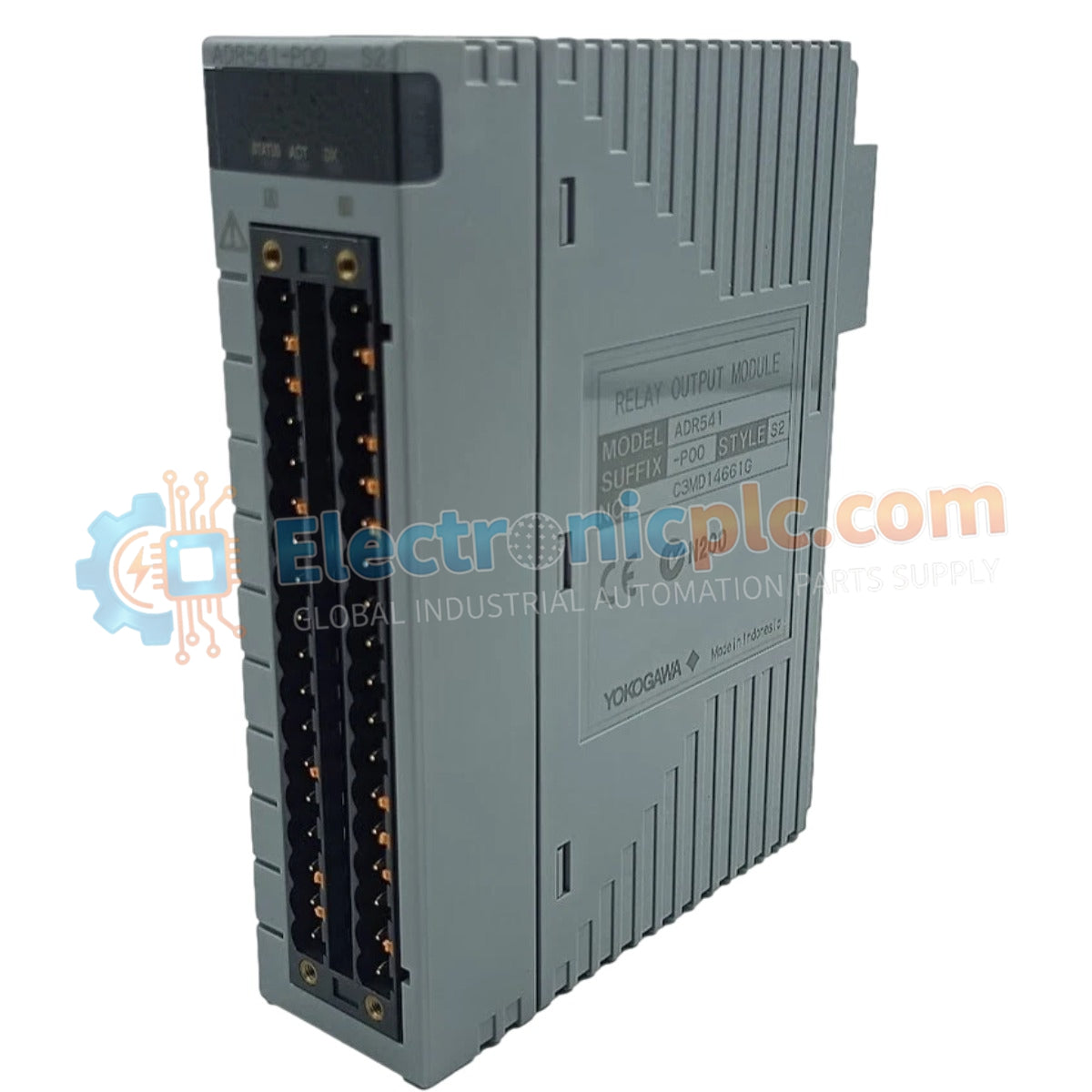
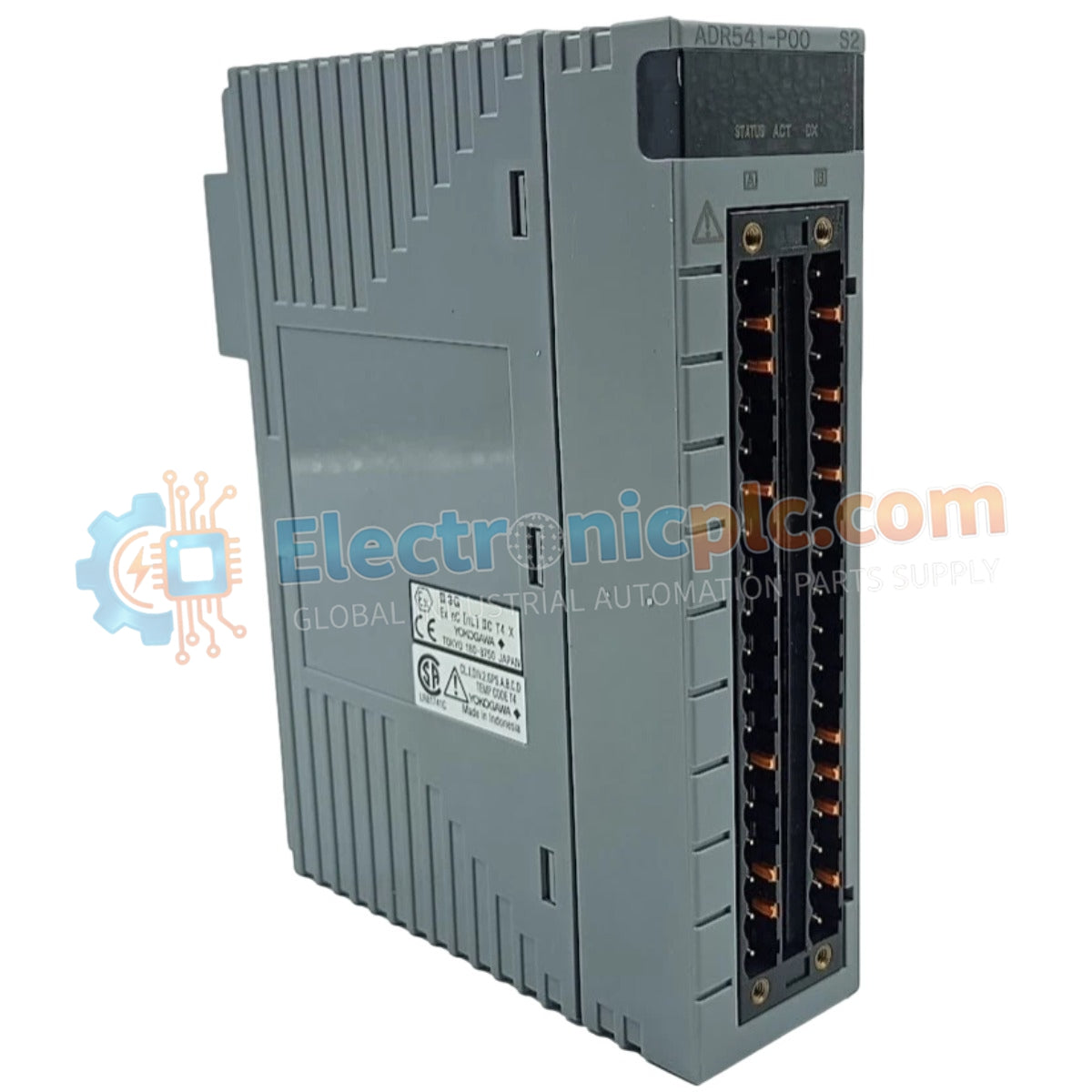
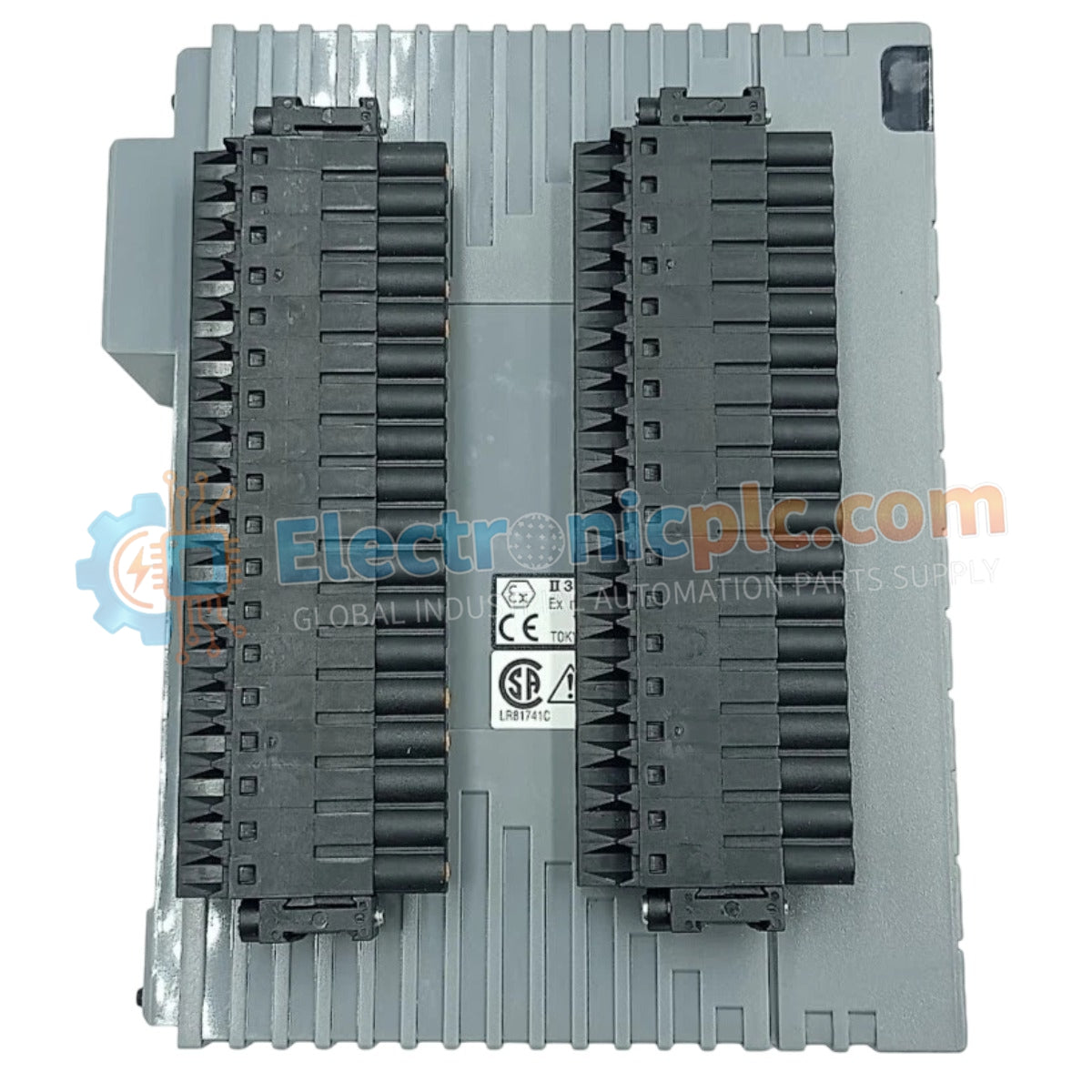
تم تكوين YOKOGAWA ADR541-P50 (وحدة إخراج المرحل ADR541) لتوزيع الإشارات المنفصلة في أنظمة التحكم الموزعة (DCS)، وتوفر تنفيذًا مباشرًا يعتمد على التلامس الفعلي للتحكم في المشغلات.
يستخدم ADR541-P50 منطق لاحقة محددًا لتحديد وظائف الأجهزة. يشير جوهر سلسلة ADR541 إلى بطاقة خرج مرحل ذات 16 قناة. تشير اللاحقة P إلى تضمين وظيفة إخراج متناسبة مع الوقت بتعديل عرض النبضة (PWM). يشير الرقم 5 إلى متغير نموذج قياسي، بينما يمثل الرقم 0 الطرفي التصميم الأساسي المتوافق مع الهيكل. تشمل المتغيرات البديلة الرقم 3 للتطبيقات ذات درجة الحرارة الواسعة/المقاومة للتآكل، والحرف E لمتطلبات شهادة مقاومة الانفجار.
| المعلمة | المواصفات |
|---|---|
| النموذج | ADR541-P50 |
| العلامة التجارية | YOKOGAWA |
| المنشأ | اليابان |
| الوزن | 1.0 كجم |
| الأبعاد | غير متوفر |
| درجة حرارة التشغيل | 0 إلى 55 درجة مئوية |
| استهلاك الطاقة | غير متوفر |
| القنوات | 16 مرحل مستقل |
| جهد الحمل | 24-110 فولت تيار مستمر / 100-240 فولت تيار متردد |
| الوظيفة | إخراج متناسب مع الوقت بتعديل عرض النبضة (PWM) |
يدمج YOKOGAWA ADR541-P50 16 قناة اتصال مرحل مستقلة لإدارة حالات جهاز الحقل المنفصلة. يتيح تضمين وظيفة إخراج متناسبة مع الوقت بتعديل عرض النبضة (PWM) للوحدة التحكم في المشغلات التي تتطلب تعديل دورة العمل المتغيرة، مما يوفر تنظيمًا دقيقًا يعتمد على الحالة دون الحاجة إلى حلقات تحكم تناظرية مخصصة. تم تصنيف كل اتصال مرحل لنطاق واسع من جهد الحمل، ويستوعب كلاً من متطلبات دائرة الحقل للتيار المستمر والتيار المتردد، وبالتالي يضمن التوافق مع مجموعة متنوعة من الأجهزة الكهربائية والبنية التحتية لمعالجة الطاقة.
س: هل يمكن لـ ADR541-P50 تبديل الأحمال الاستقرائية مباشرة؟
ج: على الرغم من أن جهات اتصال المرحل مصنفة لـ 24-110 فولت تيار مستمر أو 100-240 فولت تيار متردد، فإن تبديل الأحمال الاستقرائية عالية مثل الملفات اللولبية الكبيرة أو المحركات يتطلب كبتًا خارجيًا (مثل الثنائيات العكسية أو مخمدات RC) لمنع تأرجح جهة الاتصال وإطالة عمر خدمة المرحل.
س: كيف تعمل وظيفة PWM على مخرجات المرحل؟
ج: تقوم وظيفة PWM بتعديل دورة عمل تشغيل/إيقاف جهات اتصال المرحل المتناسبة مع الوقت بناءً على الإشارات من محطة التحكم الميداني (FCS)، مما يسمح للوحدة بتشغيل الأجهزة بمستويات إخراج متوسطة تتناسب مع أمر التحكم.


