انتقل إلى معلومات المنتج
1 ل 2

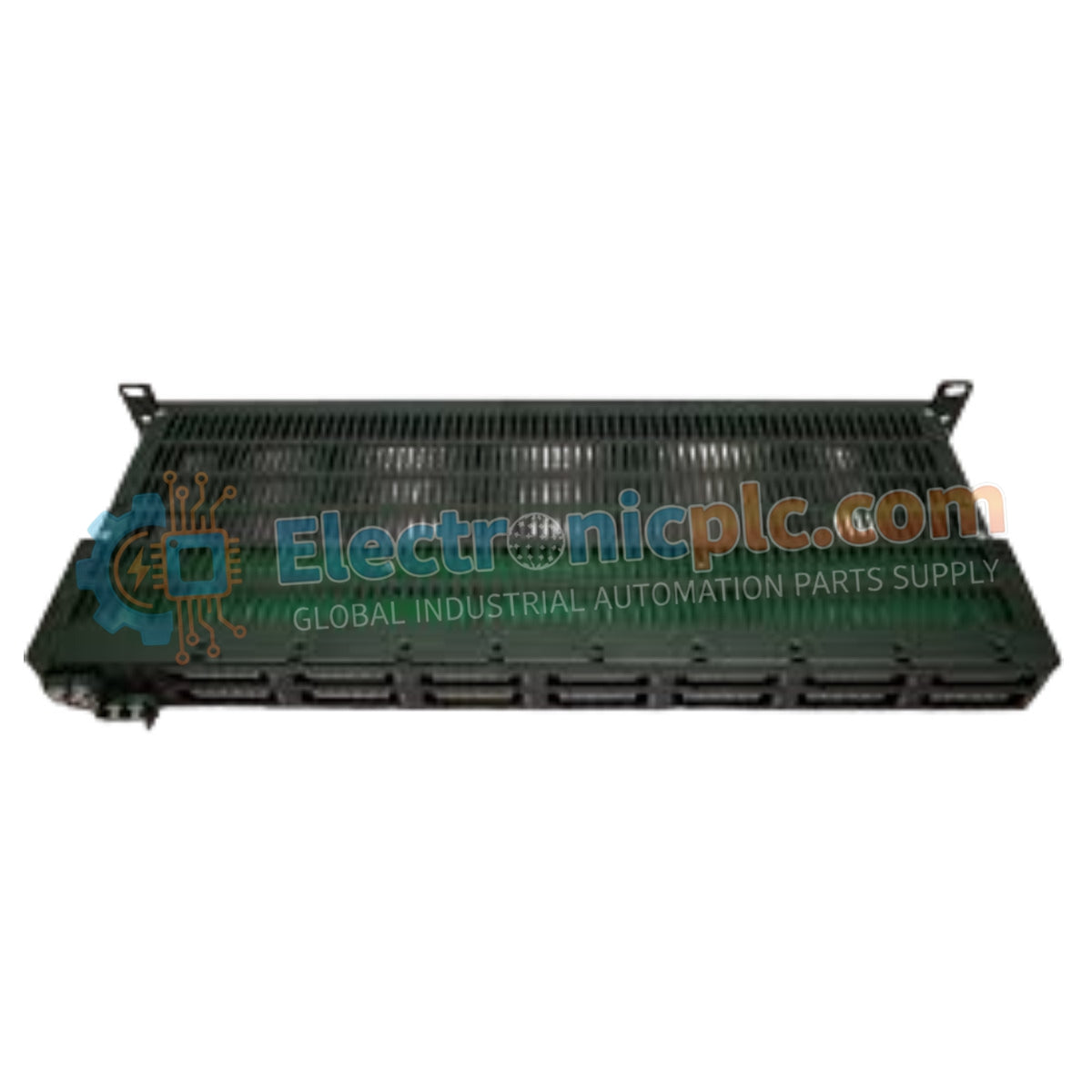
Yokogawa AEP7D-25 Primary Power Supply Bus Unit

Yokogawa AEP7D-25 Primary Power Supply Bus Unit

Configured for high-load power distribution in industrial control cabinets, the Yokogawa AEP7D-25 (AEP7D-25 Primary Power Supply Bus Unit) provides direct electrical execution for secondary power management and current distribution.

Suffix...

17 يشاهد الناس هذا الآن

التوافرفي الأوراق المالية

رمز المنتج: AEP7D-25
بائع: Yokogawa

الشحن والإرجاع

توصيل موثوق به في جميع أنحاء العالم

  • شركات الشحن: يتم الشحن عبر DHL أو FedEx أو UPS أو USPS .
  • الشحن: تتم معالجة الطلبات خلال يوم عمل واحد إلى يومين، ويتم شحنها خلال 3 إلى 5 أيام عمل .
  • التتبع: يتم توفير تفاصيل التتبع الكاملة عبر البريد الإلكتروني عند الشحن.

ضمان استرداد الأموال خلال 30 يومًا

  • الضمان: فترة إرجاع لمدة 30 يومًا للمنتجات المتوفرة في المخزون والمغلفة من المصنع.
  • الشروط: يجب أن تكون المنتجات غير مفتوحة وغير مستخدمة وفي عبوتها الأصلية.
  • الأصالة: نضمن أن تكون الأجهزة أصلية 100% .

هل تحتاج إلى مزيد من التفاصيل؟ اقرأ سياسة الشحن وسياسة الاسترداد الكاملة.

الأصالة والضمان

  • ضمان أصلي: نحن نوفر فقط قطع غيار أصلية 100%، جديدة تمامًا، ومغلقة من المصنع .
  • تغطية كاملة: كل مكون مدعوم بضمان شامل لمدة 12 شهرًا من تاريخ الشراء.
  • إمكانية التتبع: جميع المنتجات تأتي مع وثائق المصنع الأصلية والملحقات اللازمة للامتثال الكامل للمعايير الصناعية.

الدعم الفني والتوريد

  • مساعدة الخبراء: يقدم فريقنا الفني استشارات مجانية لمساعدتك في التحقق من التوافق مع أنظمة DCS و PLC.
  • مصادر القطع النادرة: متخصصون في المكونات القديمة والتي يصعب العثور عليها من Allen-Bradley و Siemens و ABB و HIMA وغيرها.
  • للاستفسارات المتعلقة بالكميات الكبيرة: تواصلوا معنا على pambo@5gplc.com للحصول على أسعار الكميات الكبيرة أو عروض أسعار المشاريع المخصصة.
عرض تفاصيل المنتج الكاملة

Configured for high-load power distribution in industrial control cabinets, the Yokogawa AEP7D-25 (AEP7D-25 Primary Power Supply Bus Unit) provides direct electrical execution for secondary power management and current distribution.

Suffix Breakdown & Model Matrix

The AEP7D-25 utilizes a standardized coding structure to define its electrical input and safety classification:

  • -2: Specifies the operating input voltage range of 220 to 240 V AC.
  • 5: Identifies the basic hardware configuration, indicating that the unit is designed for standard industrial environments without explosion-proof (Ex) protection.

Hardware Specifications

Parameter Specification
Model AEP7D-25
Brand Yokogawa
Origin Japan
Weight 1.8 kg
Dimensions Standard cabinet-mount form factor
Operating Temp Not specified
Power Consumption Max. 20 A (Total)
Input Voltage 220 to 240 V AC
Port Current 6 A per port

Yokogawa DCS and Process Control Connectivity

The AEP7D-25 serves as the fundamental power distribution node for DCS and PLC racks. The unit is engineered to maintain system integrity by providing high-capacity current paths while ensuring galvanic isolation through a 1500 V AC withstanding voltage rating. Proper load balancing across the individual ports—each rated for a maximum of 6 A—is required to prevent localized thermal degradation of the bus bars. By centralizing the primary 220 to 240 V AC supply, the unit supports consistent power delivery to downstream modules, facilitating stable operation of sensitive process control instrumentation.

Frequently Asked Questions

Q: Can this unit be used in hazardous, explosion-prone areas?

A: No. The "5" suffix indicates that this model is a basic type with no explosion protection and is intended strictly for safe, non-hazardous industrial environments.

Q: Is it permissible to connect a load exceeding 6 A to a single port?

A: No. Each port is strictly limited to a maximum current of 6 A to prevent overheating and potential circuit damage. Total current draw must not exceed the primary bus limit of 20 A.

Field Installation Guidelines

  1. Ensure that the primary power source is fully isolated and locked out before initiating installation.
  2. Verify that the incoming 220 to 240 V AC lines are appropriately fused at the source to protect the bus unit from overcurrent conditions.
  3. Use wire lugs rated for the appropriate current (up to 20 A total) and ensure that all terminal connections are torqued to manufacturer specifications to maintain low contact resistance.
  4. Mount the unit in a well-ventilated cabinet space, ensuring adequate clearance for thermal dissipation during operation.
  5. Confirm that the system earth ground is securely bonded to the chassis to satisfy electromagnetic compatibility (EMC) requirements and safety standards.