انتقل إلى معلومات المنتج
1 ل 3

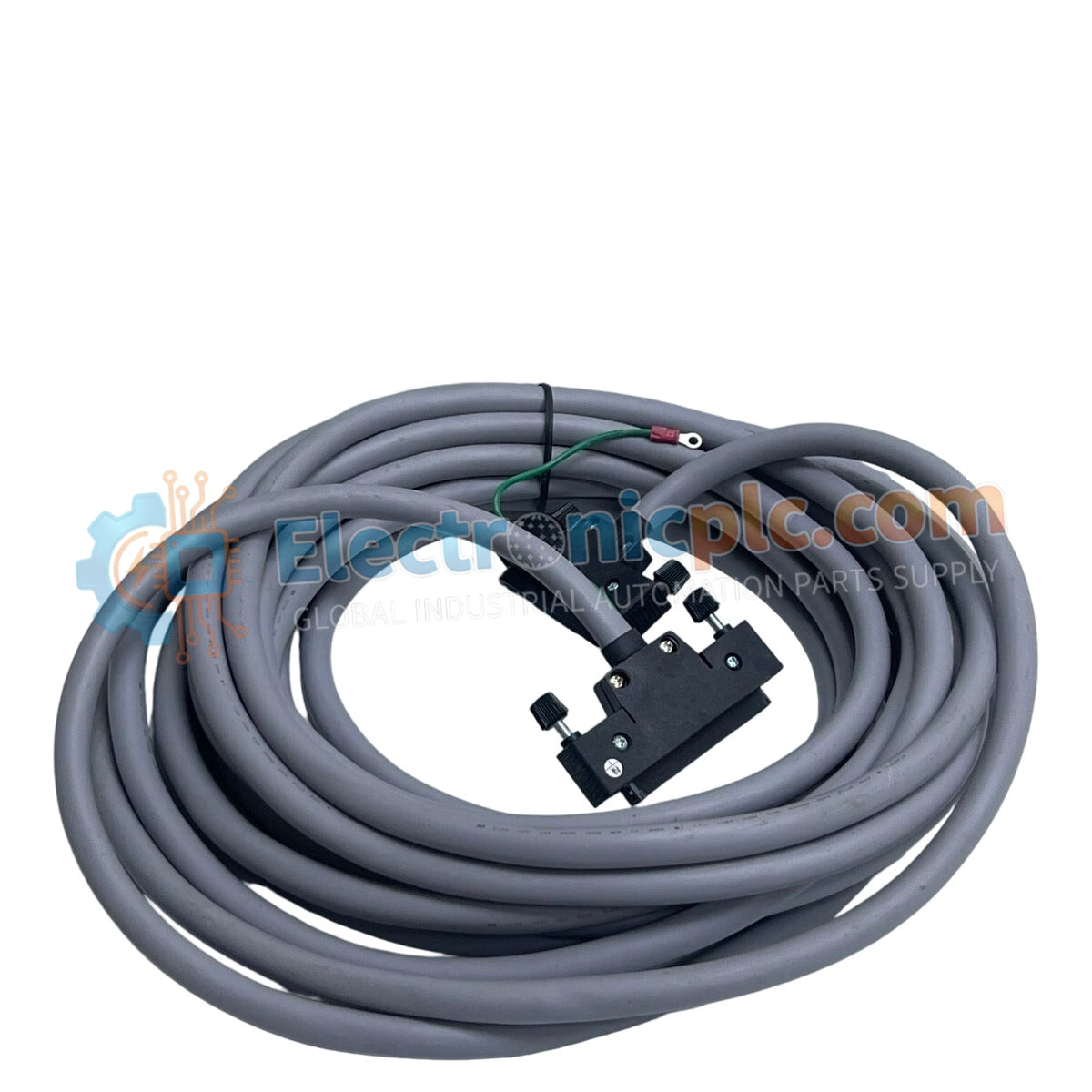
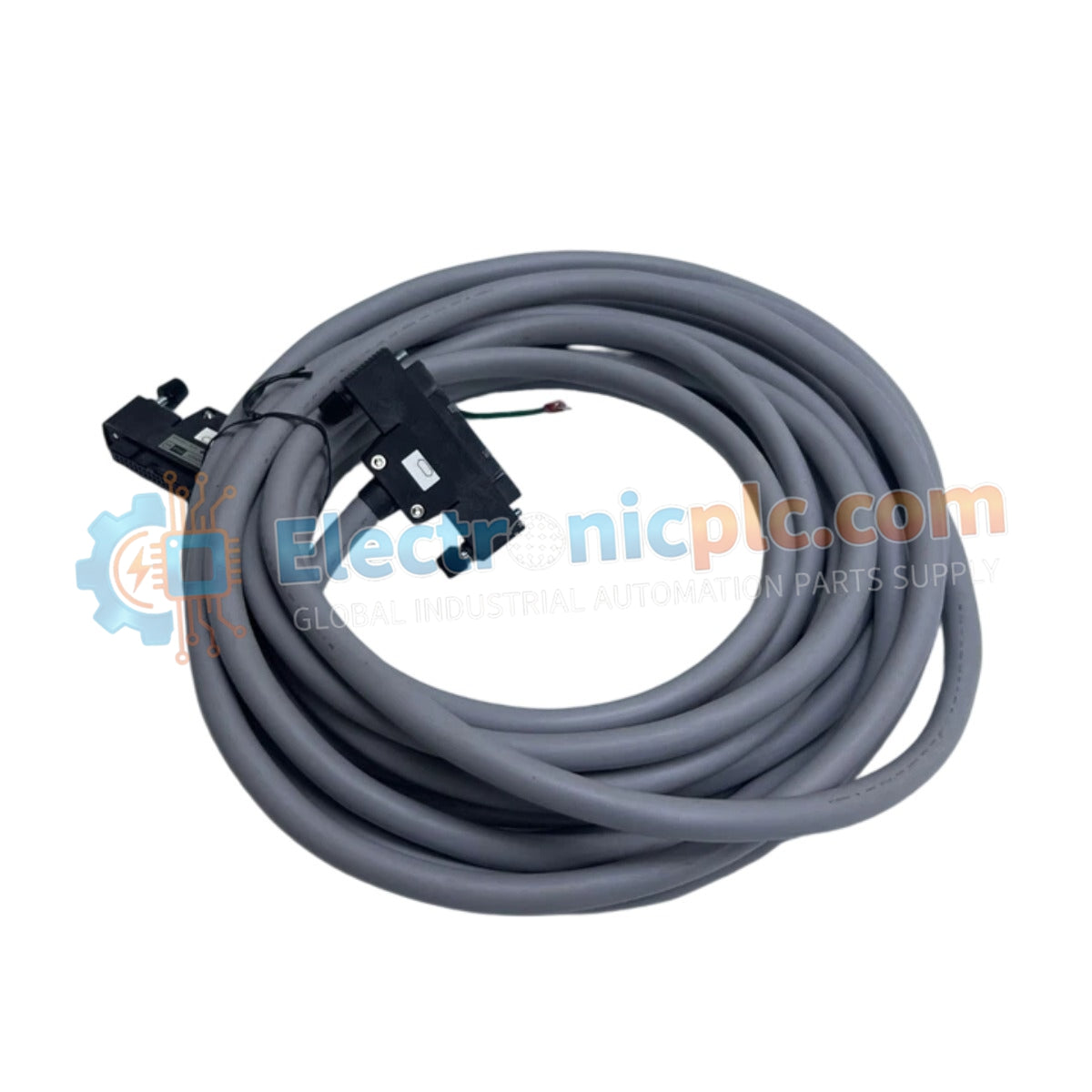
YOKOGAWA AKB161-M100 Signal Cable

YOKOGAWA AKB161-M100 Signal Cable

Configured for serial data transmission between control interfaces, the YOKOGAWA AKB161-M100 (AKB161 Signal Cable) provides direct physical/electrical execution of RS-422 and RS-485 communication protocols between M4 and M3 terminal assemblies.

...
25 يشاهد الناس هذا الآن

التوافرالكمية المتبقية: 99

رمز المنتج: AKB161-M100
بائع: Yokogawa
فئة: Signal Cable
Related Series:

الشحن والإرجاع

توصيل موثوق به في جميع أنحاء العالم

  • شركات الشحن: يتم الشحن عبر DHL أو FedEx أو UPS أو USPS .
  • الشحن: تتم معالجة الطلبات خلال يوم عمل واحد إلى يومين، ويتم شحنها خلال 3 إلى 5 أيام عمل .
  • التتبع: يتم توفير تفاصيل التتبع الكاملة عبر البريد الإلكتروني عند الشحن.

ضمان استرداد الأموال خلال 30 يومًا

  • الضمان: فترة إرجاع لمدة 30 يومًا للمنتجات المتوفرة في المخزون والمغلفة من المصنع.
  • الشروط: يجب أن تكون المنتجات غير مفتوحة وغير مستخدمة وفي عبوتها الأصلية.
  • الأصالة: نضمن أن تكون الأجهزة أصلية 100% .

هل تحتاج إلى مزيد من التفاصيل؟ اقرأ سياسة الشحن وسياسة الاسترداد الكاملة.

الأصالة والضمان

  • ضمان أصلي: نحن نوفر فقط قطع غيار أصلية 100%، جديدة تمامًا، ومغلقة من المصنع .
  • تغطية كاملة: كل مكون مدعوم بضمان شامل لمدة 12 شهرًا من تاريخ الشراء.
  • إمكانية التتبع: جميع المنتجات تأتي مع وثائق المصنع الأصلية والملحقات اللازمة للامتثال الكامل للمعايير الصناعية.

الدعم الفني والتوريد

  • مساعدة الخبراء: يقدم فريقنا الفني استشارات مجانية لمساعدتك في التحقق من التوافق مع أنظمة DCS و PLC.
  • مصادر القطع النادرة: متخصصون في المكونات القديمة والتي يصعب العثور عليها من Allen-Bradley و Siemens و ABB و HIMA وغيرها.
  • للاستفسارات المتعلقة بالكميات الكبيرة: تواصلوا معنا على pambo@5gplc.com للحصول على أسعار الكميات الكبيرة أو عروض أسعار المشاريع المخصصة.
عرض تفاصيل المنتج الكاملة

Configured for serial data transmission between control interfaces, the YOKOGAWA AKB161-M100 (AKB161 Signal Cable) provides direct physical/electrical execution of RS-422 and RS-485 communication protocols between M4 and M3 terminal assemblies.

Suffix Breakdown & Model Matrix

  • AKB161: Base model designation for the RS-422/RS-485 serial interface cable.
  • M100: Indicates the total cable length in meters (100 m). The design supports 5-meter incremental scaling up to this maximum length.

Hardware Specifications

Parameter Specification
Model AKB161-M100
Brand YOKOGAWA
Origin japan
Weight 0.68kg
Dimensions Max length 100 m
Operating Temp Standard Industrial Range
Power Consumption Passive Component
Terminal Side A M4 Terminal
Terminal Side B M3 Terminal

Serial Communication Technical Characteristics

The AKB161-M100 is engineered to maintain signal integrity for differential serial protocols (RS-422/RS-485) across distributed distances. The cable construction utilizes twisted-pair conductors to provide high common-mode noise rejection, which is necessary for stable data exchange in environments with significant electromagnetic interference. The physical interface architecture ensures that signal attenuation remains within the operational requirements for RS-485 bus protocols over the full 100-meter span, preventing data packet loss or framing errors during asynchronous communication.

Frequently Asked Questions

Q: Can the AKB161 cable be extended beyond the 100-meter maximum length?

A: Extending the cable beyond 100 meters is not recommended, as signal attenuation and reflections will exceed the tolerances of the RS-422/RS-485 physical layer, likely resulting in communication failure.

Q: Are the M4 and M3 terminals field-interchangeable?

A: The terminals are application-specific; ensure the M4 side is connected to the ALM port and the M3 side to the target field terminal block as specified in the hardware documentation.

Field Installation Guidelines

  1. Terminal Securing: Ensure that the M4 and M3 terminal screws are tightened to the correct torque to prevent high-resistance connections, which can cause intermittent communication drops in serial loops.
  2. Cable Shielding: Connect the cable shield to the cabinet's instrument earth bus at the specified grounding point. Proper shielding is required to protect the differential data signals from industrial noise.
  3. Routing Limits: Route the cable through dedicated instrumentation conduits. Maintain a minimum separation of 300 mm from high-voltage AC power lines to minimize inductive interference.
  4. Mechanical Stress: Avoid subjecting the cable to sharp bends during installation. Adhere to the manufacturer’s specified minimum bend radius to prevent internal conductor fatigue or insulation compromise.